

caTEGORIES
Tags
Which Washer Types Are Essential for Construction and Structural Projects?
Posted: May 07, 2026
Categories: News
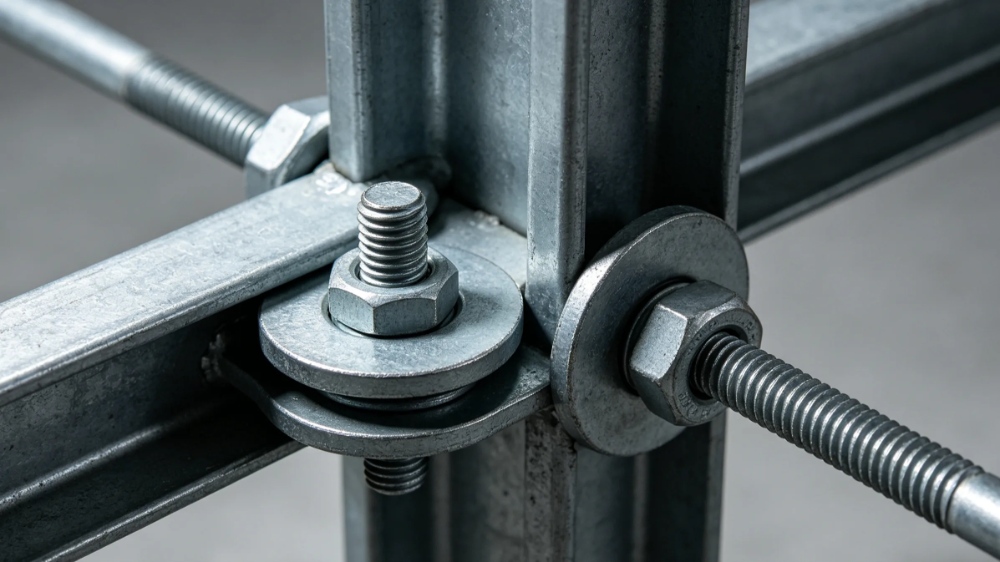
When starting a big building task, the strength of the framework often depends on tiny parts. Washers may appear as small fittings, yet they play a key role in stopping bolt pull-out, spreading out big weights, and avoiding hardware slack. Securing a large metal support or fitting sensitive wiring setups requires picking the proper securing item. This choice affects how long the work lasts and how safe it stays. As someone experienced in factory fittings, I have observed that a poor pick can result in expensive fixes or framework wear.
Before getting into detailed specs, note that getting these parts from a dependable source matters a lot. Qewit emerges as a top maker focused on solid factory securing devices. With long years in the lighting, factory gear, and beauty tool fields, they deliver carefully built options that match tough global rules. Their focus on reliability means each installed piece aids in creating a safer, steadier job site. This approach builds confidence in every component used.
Why Is Selecting the Right Washer Crucial for Structural Integrity?
In heavy building fields, a single bolt seldom suffices. A method to guard the base material and keep the pull steady over periods is necessary. Proper choices here support the whole setup’s firmness.
Heavy Duty Plain Flat Round Washers for Construction
Working with flexible bases or slim panels in build structures brings the chance of the bolt top digging into the face. Heavy duty plain flat round washers for construction address this issue by boosting the support zone. They block the securing piece from breaking through. Also, they make sure the holding power spreads out evenly over the link. This even spread helps avoid weak points in the assembly.
Ensuring Load Distribution and Surface Protection
A good flat piece serves as a shield. It broadens the touch area. Thus, it cuts down on focused pressure that leads to splits in solid bases or bends in sheet metals. This point gains extra weight when employing strong-turning devices. Such tools could otherwise damage the outer layer of framework elements. By using these, the surfaces stay intact longer.
Preventing Fastener Failure in Large Scale Projects
Framework breakdowns frequently begin at the connections. Adding high-strength metal washers for heavy pattern industrial use lowers the danger of securing wear. These pieces hold the needed initial pull in a bolted link. That pull acts as the main guard against the usual movement in a structure or overpass. Over time, this setup keeps everything in place despite daily stresses.
How Do Flat Washers Support Heavy Pattern Industrial Infrastructure?
Factory settings call for more than basic fittings. They demand items made to handle severe force and great mass. Flat Washers in these spots provide that needed backing.
High-strength Metal Washers for Heavy Pattern Industrial Use
For machine bases and span supports, high-strength metal washers for heavy pattern industrial use prove essential. These are bulkier and broader than usual types. They are built to endure the pressing powers in large production sites. This design allows them to manage the demands of ongoing operations without giving way.
Application of BMS Plain Flat Round Washers in Building Frameworks
If a task adheres to UK guidelines, the BMS Plain Flat Round Washers stand as the top option. Offered in thick and slim versions per BS 3410, these become vital for keeping heavy pattern industrial setups firm under pressure. They fit well in various build needs, ensuring reliability across different loads.
Superior Durability of Carbon Steel and Alloy Solutions
Selecting the correct base material counts as much as the form. Carbon steel gives strong pull resistance. Certain mixes provide the hardness required for repeated machine strains. The table below shows a basic review of common base performance in factory tasks. It highlights how each handles key factors like strength and rust protection.
| Material Type | Tensile Strength (MPa) | Corrosion Resistance | Common Application |
| Carbon Steel (Grade 8.8) | 800 | Moderate (Plated) | General Construction |
| Alloy Steel (Grade 10.9) | 1000 | Low (Needs Coating) | Heavy Machinery |
| Stainless Steel (A4-80) | 800 | High | Marine/Chemical |
This comparison aids in matching materials to specific project conditions. For example, carbon steel suits many indoor uses due to its balance of cost and power. Alloys step in for tougher spots, while stainless handles wet areas best. Each choice impacts how well the Washers perform long-term.
What Are the Standards for Precision Structural Steel Connections?
Accuracy marks skilled framework building. Guessing on rule following is not an option. Clear guidelines keep connections strong and uniform.
Stainless Steel Flat Washers for Structural Steel Connections
Rust quietly harms steel frameworks. In open-air or factory conditions, specifying stainless steel flat washers for structural steel connections is a must. These stop electrical rust between varied metal kinds. They also ensure the joint avoids rust buildup and sticking over many years of contact. This protection extends the framework’s useful life significantly.
Technical Compliance With Standard Dimensions for BS 4320 Form G Washers
Uniform rules make sure every part matches up right. Sticking to the standard dimensions for BS 4320 form G washers helps keep supply lines steady. These sizes are figured out to give the best outer width for steel framework tasks. Following them reduces fit problems and boosts overall build quality.
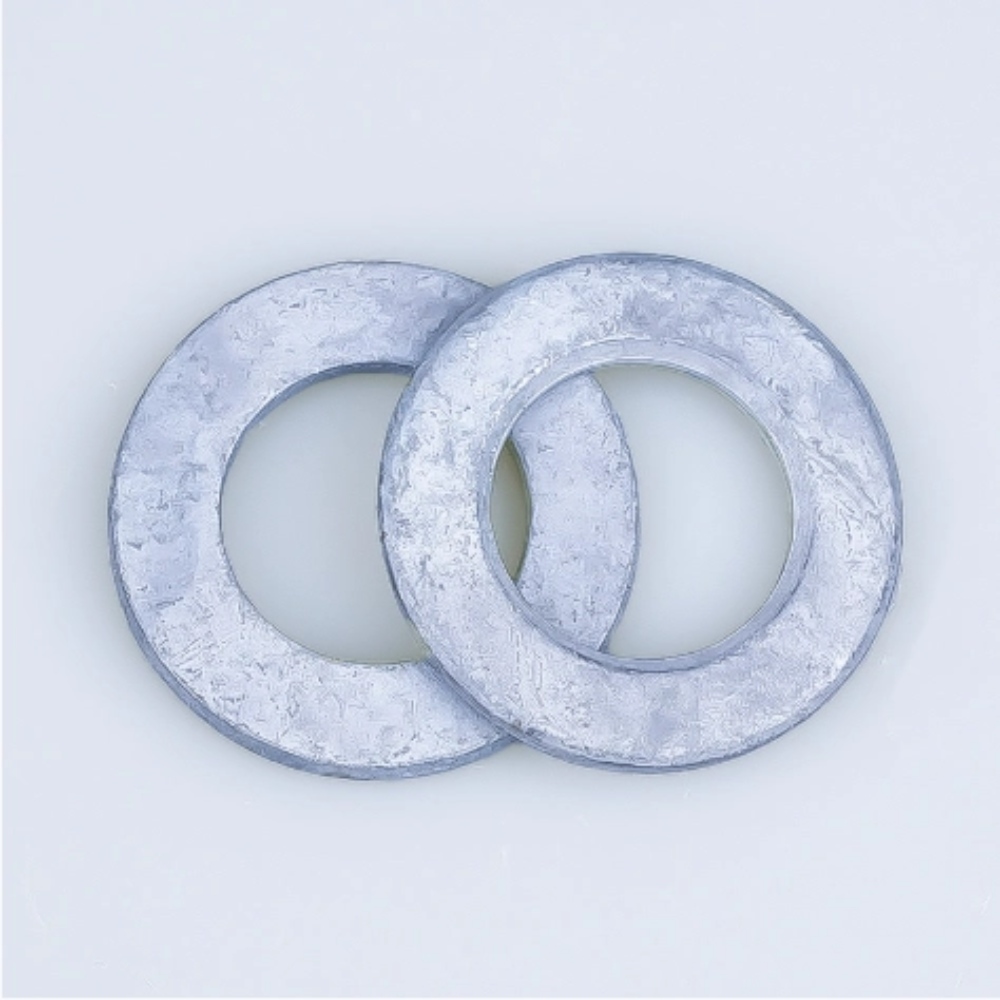
Advantages of Using Flat Round Washers BS 4320 Form G
The Flat Round Washers BS 4320 Form G feature a bigger outer width than Form A or B. This suits them for steel framework links where the opening may run a bit large. Or when the base needs added backing. Their size helps spread force better, cutting down on wear at connection points. In practice, this leads to fewer repairs and stronger holds.
How to Secure Bolted Joints Against Constant Mechanical Movement?
Shaking harms a firm bolt. Lacking the proper hold system, securing pieces will loosen up eventually. This can cause gear breakdowns. Strong methods keep joints tight amid motion.
Industrial Lock Washers for Vibration Resistance in Machinery
In vehicle or production areas, industrial lock washers for vibration resistance in machinery become necessary. Unlike flat ones, these have special shapes. They build pull or grip into the joining faces to lock the nut steady. This feature counters the shaking from running machines effectively.
Maximum Gripping Power of External Toothed Lock Washers DIN 6797A
For top-level safety, the External Toothed Lock Washers DIN 6797A set the benchmark. Teeth around the edge cut into both the bolt top and the base. They form a physical tie that fights even strong spinning forces. This design ensures the connection stays secure during heavy use.
Enhancing Operational Safety with Anti-Loosening Technology
Safety comes first in any setup. Toothed pieces cut the call for regular re-tightening. This drops upkeep expenses and stops mishaps from loose elements. The table below outlines how various hold ways perform. It covers their shake resistance and reuse potential.
| Locking Method | Vibration Resistance Level | Reusability |
| Standard Flat Washer | Low | High |
| Split Spring Washer | Medium | Moderate |
| Toothed Lock Washer (DIN 6797) | High | Low (Single Use) |
From this, toothed options excel in shake-heavy spots, though they suit one-time fits. Standard flats work for calm areas with easy reuse. Spring types offer a middle ground. Picking based on needs improves safety and cuts long-term costs. Overall, these tools help maintain smooth operations without frequent checks.
Why Partner with a Professional for Your Global Fastening Requirements?
When purchasing large amounts, more than a single item is required. A service grasping the details of worldwide exchange and tech paperwork becomes essential. Reliable partners ease the process for big tasks.
Comprehensive One-Stop Supply Chain Service
Handling a build job poses enough challenges without fretting over fitting hold-ups. A skilled provider brings a smooth flow, from making to delivery. This guarantees that Washers and other securing devices reach the location right on time. Such support keeps projects moving without delays.
Rigorous Quality Assurance and International Certification
Only rely on goods that have cleared strict checks. Control steps, like ISIR (Initial Sample Inspection Report), confirm each group hits the pull and size needs set by designers. This level of review builds trust in the parts’ performance across borders.
Expert Technical Support and Direct Contact for Custom Inquiries
If a job demands special needs—such as odd sizes or rare bases—direct expert reach proves valuable. A focused group answering tech queries saves hours and avoids buying mistakes. For guidance on an upcoming task, connect for a talk via Contact Us. This step ensures tailored solutions fit exact project goals.
FAQ
Q: Why should I use a Form G washer instead of a standard Form A?
A: Form G fits when a bigger touch area is needed to share the weight. This occurs often in wood builds or with steel framework openings a touch wider than the bolt size. It provides better support in those cases.
Q: Can I reuse an external toothed lock washer?
A: Reuse is not advised. The teeth bend a bit to grip the metal face for strong hold. After release, they drop their pull and shake-fighting power.
Q: What material is best for outdoor construction washers?
A: For many open-air steel framework links, stainless steel (Grade A2 or A4) stands as the top pick. Its strong guard against rust and weather wear makes it ideal.


