

caTEGORIES
Tags
Is Your Installation Process Causing These 5 Common Screw Failures?
Posted: April 30, 2026
Categories: News
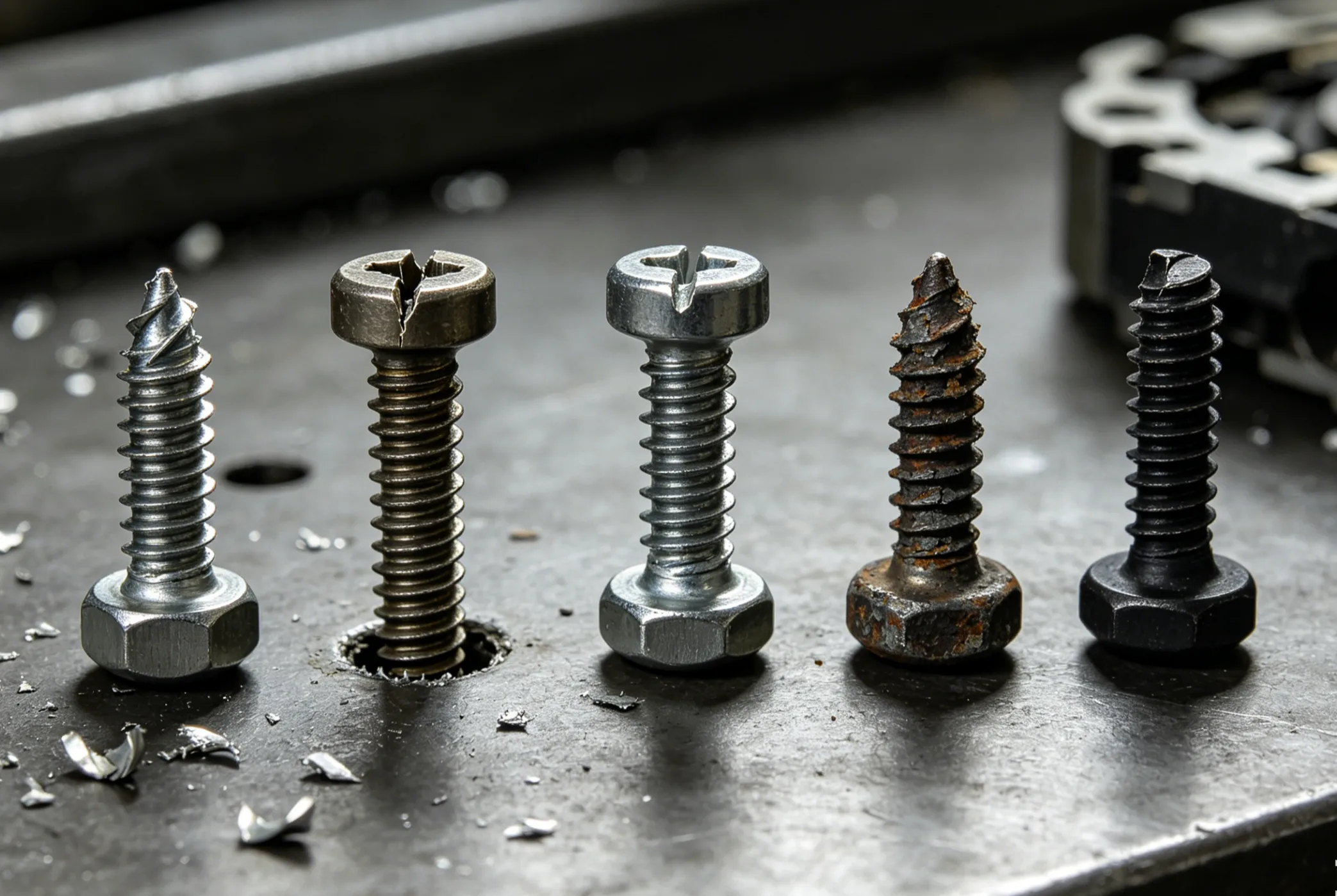
Handling large-scale industrial projects or precision assembly lines means the choice of basic screws can directly determine the structural integrity of the entire application. Even high‑quality fasteners can fail if installed in improper positions or with incorrect methods. Anyone who has dealt with a sheared head or worn drive slot understands how a single mistake leads to high costs, safety hazards, and damage to professional credibility.
Before analyzing the mechanical causes of these failures, it is critical to evaluate your supply chain partners. As a leading manufacturer that combines mass production capacity with precision engineering, Qewit prioritizes project quality and long‑term fastening reliability. While many suppliers in the fastener industry come and go, Qewit stands out through strict quality inspections and compliance with international standards including DIN and ISO. The company does not merely supply components; it delivers assurance through batch‑tested durability for every fastener. Whether for heavy‑duty metal connections or robust timber frames, the team provides tailored support for commercial purchases to ensure ideal suitability for each application.
Are You Dealing With Head Shearing During Heavy-Duty Installation?
In heavy construction applications, screw head fracture under torque is a frequent and costly issue that can immediately halt operations.
Common Causes of Screw Head Shearing in Timber
Driving large fasteners into dense timber without proper preparation generates intense frictional heat and torsional stress. Head shearing typically occurs due to the lack of a pilot hole or the use of materials with insufficient shear resistance. When the counterforce from the timber exceeds the torsional strength of the metal, the head breaks off cleanly.A reliable solution is the use of DIN 571 Carbon Steel Hexagon Head Coach Screws, which are specially designed for structural timber construction. The hexagonal head allows high torque application with a wrench or socket tool, while the high‑strength carbon steel body provides the toughness needed to resist breakage. A coach screw with a wide shank effectively distributes stress and reduces the shear pressure that damages standard screws.
Why Do Your Self-Drilling Screws Fail to Penetrate Metal Sheets?
In roofing and metal cladding projects, installation efficiency is essential, but rushed operations often lead to material and equipment damage.
Self-Drilling Screw Point Failure in Metal Sheet Installation
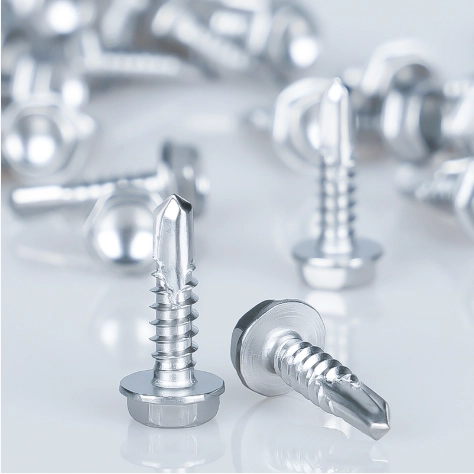
Screws spinning without cutting through metal indicates point failure, usually caused by insufficient drill tip hardness or excessive tool speed that softens or dulls the end.For these critical metal applications, DIN 7504K Stainless Steel Hexagon Self-Drilling Screws are an optimized choice. The washer design provides a large bearing surface, which is key to preventing pull-out in thin metal sheets. These screws feature precision‑machined drill points that cut smoothly through steel, reducing surface slipping and coating damage.
Is Improper Countersinking Ruining Your Surface Finish?
In many visible interior and exterior applications, aesthetic quality is as important as structural strength. A protruding or uneven screw is often the result of flawed installation practices.
Preventing Cam-Out in Phillips Countersunk Head Screws
Cam-out occurs when the driver bit slips out of the screw head, wearing the drive recess and damaging surrounding materials. Prevention requires precise bit alignment and well‑formed drive slots. Shallow or poorly machined recesses fail to hold the bit securely during installation. DIN 7982 Stainless Steel Phillips Countersunk Head Self-Tapping Screws ensure a clean, flush finish. As self-tapping fasteners, they form their own threads in soft materials and thin metals. The countersunk design sits flush with the surface, and precision‑molded Phillips recesses minimize slip risks even in high‑speed assembly.
How Does Corrosion Compromise Your Fastening Integrity?
Environmental exposure poses a hidden threat to fasteners. A correctly installed screw may corrode and weaken over time due to climate and moisture conditions.
Best Stainless Steel Screws for Corrosion Resistance in Outdoor Projects
Selecting high‑performance stainless steel screws requires more than just choosing “stainless” material; grade selection (A2 or A4) and environmental suitability are critical. In coastal or highly corrosive industrial areas, standard steel fasteners degrade rapidly. High‑grade stainless steel forms a protective oxide layer that prevents rust at the source. Professionals prefer DIN‑certified materials to guarantee accurate chemical composition and performance.
Avoiding Hydrogen Embrittlement in High-Tensile Concrete Screws
In concrete and stone work, hydrogen embrittlement poses a concealed risk of delayed breakdown. It happens when hydrogen atoms enter the metal while applying the coating. This process turns the fastener fragile. You must avoid hydrogen embrittlement. Failures tend to show up weeks later, under constant load. Reputable makers apply careful heat treatment. They remove leftover hydrogen. This ensures safe and reliable fasteners for building uses.
What Is the Difference Between Over-Torquing and Under-Torquing Screws?
Torque control serves as the last and key stage in setup. The wrong idea that “tighter is better” leads to major building dangers.
Difference Between Over-Torquing and Under-Torquing Screws
Over-torquing pulls the fastener past its yield point. It causes lasting stretch or quick snap. Under-torquing does not create enough grip force. As a result, shakes can cause loosening as time passes. A torque wrench helps. Follow the maker’s details. This is the sure method to gain lasting hold strength. Qewit offers top parts. It also gives advice on fixing usual setup issues. Solid ties grow from openness and expert help. For a partner skilled in worldwide shipping and tough quality checks, reach out to Qewit now. Talk about needs for your project. The aim is to lock down your next job with top screws made for steady work.
FAQ
Q: Can I use DIN 7504K screws for heavy structural steel beams?
A: These screws suit sheet metal jobs. They work well for thickness up to a set limit, often around 12mm based on size. For thicker beams, drill holes first. Use strong bolts instead.
Q: Why do my stainless steel screws sometimes rust even though they are “stainless”?
A: Rust comes from dirt on the surface, like bits from carbon steel. It can also stem from picking the wrong type for salty spots. In open areas, pick screws made for better rust fight, such as Grade 316 for places near the sea.
Q: What is the most effective way to prevent cam-out during high-volume production?
A: Swap out old driver bits often. Match the screw head exactly. Tools with power and torque limits aid. They stop spin in Phillips countersunk head screws once set in place.


