

caTEGORIES
Tags
Are Threaded Rods More Cost Effective Than Custom Bolts for Large Scale Construction
Posted: April 29, 2026
Categories: News
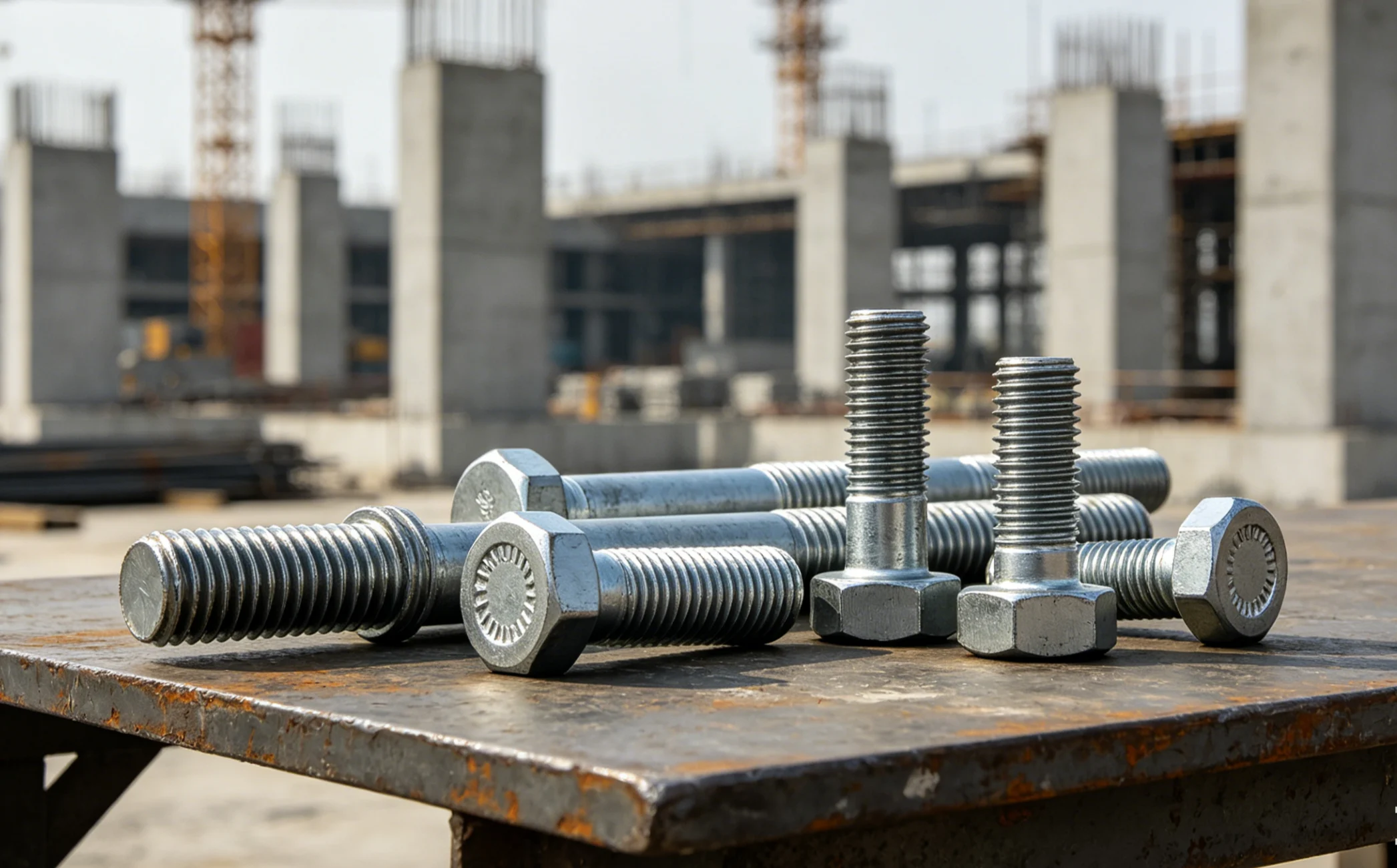
When you handle a big infrastructure job, each choice affects your budget. Picking the proper fastening parts goes beyond just strength. It involves smart money planning. A key decision you make is between Threaded Rods & Studs and usual custom-made bolts. Regular bolts lack the adaptability needed for changing connection depths. This often causes big holdups and lost funds. On the other hand, flexible stud options give a handy choice. They make stock management easier. They also smooth out work at the site.
If you want a supplier who gets the details of your supply setup, Qewit is the specialist to choose. Their background draws from British work methods. They bring years of know-how in “Far Eastern Value.” They do more than sell items. They deliver a hassle-free service from making to your storage. They serve as a trusted center for good-quality fasteners. Every item, from strong carbon steel to rust-proof stainless steel, comes with solid quality checks and full tracking. Whether you order special non-standard pieces or large runs of regular types, their setup aims to give good value. They use focused account handling and strict ISO 9001 approved steps.
Why Do Custom Bolts Drive Up Project Expenses?
In various building cases, designers call for precise bolt sizes to get a smooth end. This seems neat. Yet the money side of getting non-regular sizes often hurts tight funds.
Custom Bolt Manufacturing Costs vs Standard Threaded Studding
Ordering special bolts means extra cost for unique tools and small-batch making. Custom bolt manufacturing costs vs standard threaded studding show a wide price difference. Bolts need a special head-forming step for each new size. Standard studding comes in long runs. This cuts the cost per piece a lot. Plus, custom bolts take more time to arrive. That can stop a whole team. Threaded Rods & Studs let you skip these making issues.
How Do Threaded Rods Solve Your Length Customization Issues?
The main plus of a rod setup is its built-in flexibility. You do not wait for a plant to shape a bolt to a set size. The fix is right there with you.
Advantages of DIN 976-1 Threaded Rods for Onsite Adjustments
Advantages of DIN 976-1 threaded rods for onsite adjustments stand out when facing changing site setups. If a concrete base ends up a bit thicker than plans showed, a regular bolt cannot touch the nut. With the DIN 976-1 Threaded Studding, you get a fully threaded part. You can trim it to fit right away. This stops the job. It avoids new orders. These rods keep steady strength over different connection depths. Your hold stays firm even with small size changes.
Replacing Custom Length Bolts With Adjustable Threaded Studding
By replacing custom length bolts with adjustable threaded studding, you cut down stock hassle greatly. You keep just a few rod sizes in different widths. This saves room in storage. It also lowers the chance of staff picking the wrong size. That is a usual danger on active sites.
Can Studs Provide Better Performance in High-Stress Machinery?
Full-length rods work well in basic building. But tough machines need parts that take heavy wear and shakes without coming loose.
High Tensile Studs for Heavy Machinery and Engine Blocks
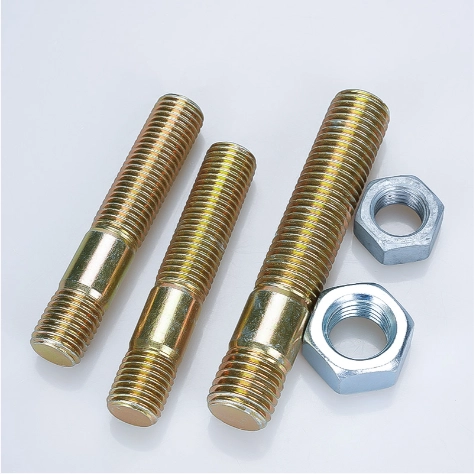
In hard machine settings, high tensile studs for heavy machinery and engine blocks set the norm. A part like the DIN 938 High Tensile Studs gives better load spread. These have a “metal end” about 1d long. It threads into a drilled spot in a cast part. This guards the inner threads of costly engine blocks or machine bases from damage in upkeep. The stud stays put as the nut turns. So the chance of ruining fine inner threads drops almost to zero.
Why Is Installation Efficiency Higher With Double-End Studs?
Speed comes not only from part price. It ties to the worker time needed to fit it. Two-end parts offer lineup perks that one-piece bolts miss.
Reducing Construction Downtime With Standardized Double End Studs
Reducing construction downtime with standardized double end studs happens via simple setup of big flanges. When using the DIN 939 High Tensile Studs, with a longer hold end (1.25d), you make a steady path for placing items. This helps a lot in air systems or ceiling hangs. There, balancing a weighty piece while threading a bolt takes effort and risk. These studs let you attach the item first. Then you lock it with nuts. The build process picks up pace.
Is Long-Term Maintenance More Affordable With Rods and Studs?
A job’s full cost covers repair ease. Parts simple to swap lower the overall ownership expense for clients.
Cost Benefits of Threaded Rods in Large Scale Construction
The cost benefits of threaded rods in large scale construction reach far into upkeep. If a thread gets hurt in use, swapping a nut or rod bit is much easier than pulling out a stuck custom bolt. Also, these items pack tight in bulk. So shipping for spares costs less than for big odd-shaped bolts. Standard swaps keep site stops very short. This guards the site’s running income.
How Does the Right Support Ensure Your Project Success?
Skill in tech is the last key bit. Buying means more than hitting “order.” It ensures the material type and cover fit your rust-fight needs. We give pro advice to pick between carbon steel, stainless steel, or custom covers like Zinc Flake or Geomet. These stop rust in rough spots. Our worldwide chain and quality service join big orders well. They arrive with needed papers, like 3.1 and PPAP reports.
To improve your next big job with the best-value Threaded Rods & Studs, call our skilled sales group now for a full job price.
FAQ
Q: What is the main difference between DIN 938 and DIN 939 studs?
A: The key gap is in the “metal end” length that goes into the base. DIN 938 uses a thread of 1.0 times the diameter (1d). DIN 939 has 1.25 times the diameter (1.25d). The second fits better for weaker materials like cast iron.
Q: Are Threaded Rods & Studs as strong as traditional hex bolts?
A: Yes, if made from the same grade like 8.8, 10.9, or 12.9 strong steel. In many factory uses, studs win out. They give exact torque pull and cut down wear on machine inner threads.
Q: Can I get these products with specific corrosion-resistant coatings?
A: Yes. Based on your setting, pick Bright Zinc Plated (BZP), Hot Dipped Galvanized (HDG), or strong Zinc Flake types like Geomet or Magni. They meet set rust-test levels.


