

caTEGORIES
Tags
The Comprehensive Guide to Choosing the Most Durable Materials for Pins and Rivets
Posted: May 08, 2026
Categories: News
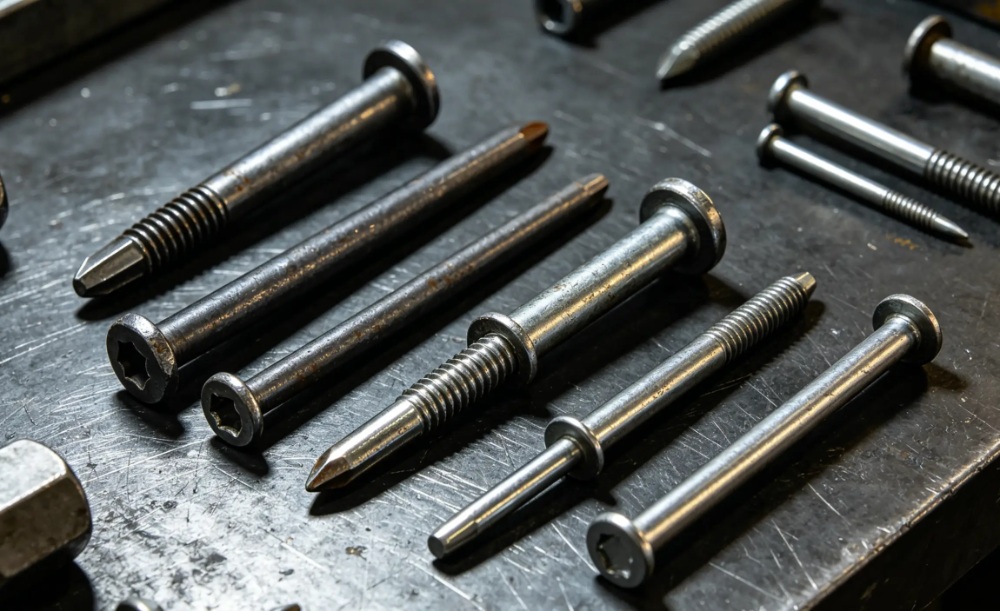
When building factory machines or putting together framework parts, the steadiness of the connections relies on basic traits of the fittings chosen. Pins and Rivets form the core of lasting and half-lasting securing. They deliver the side-force resistance and pull resistance needed to keep key setups intact under pressure. Picking the correct base goes beyond selecting a metal. It calls for a careful fit between the securing device’s pull traits and the working conditions. In cases of frequent shaking or harsh rust exposure, the selection shapes the safety and working span of the full task.
As a specialist in the securing field, I suggest teaming up with a provider that blends deep know-how with a strong delivery network. Qewit operates as a UK-based fully owned company. It has grown into a leading source of quality factory supplies for buyers in Europe and worldwide. The firm focuses on offering good-value aid via focused account handling and solid quality checks. This setup guarantees that production flows get parts with complete tracking. Their skill in Western-style dealings combined with Eastern pricing makes them a solid choice for obtaining precisely made items that follow strict global rules. Such partnerships help ensure reliable outcomes across various projects.
Why Does Material Composition Affect the Performance of Pins and Rivets?
The outcome of a secured link stems directly from how the base handles physical strains. A poor match can cause early breakdown or total collapse. Understanding these effects guides better choices.
Balancing Tensile Strength and Ductility in Metal Alloys
For a securing device to work well, it needs enough firmness to avoid breaking. Yet it must bend enough to install without splitting. Carbon steel gives a broad power level at a low price. However, its built-in rust guard stays weak. On the other hand, stainless steel brings strong visual appeal and rust protection. Still, it usually provides average power next to coated mix steels. These balances matter in picking alloys that suit specific needs without excess cost.
Preventing Galvanic Corrosion in Multi-Material Assemblies
Joining varied metals, like aluminum panels with steel fittings, raises the risk of electrical rust. The more reactive metal breaks down quicker when moisture acts as a conductor. To keep the link solid over years, fittings with special layers or bases of similar electrical traits become key. These steps block unwanted reactions and extend the setup’s life in mixed-material builds.
Impact of Environmental Stress on Fastener Longevity
Outside elements such as heat changes and chemical contact can weaken fitting output. For instance, basic nylon parts manage heat from -20°C to +85°C. But factory spots often need special bases that hold steady at -40°C or up to +150°C. Matching materials to these stresses ensures longer service without unexpected issues.
How to Select High Strength Carbon Steel Pins for Heavy Machinery?
In tough-use tasks, the great mass and force of the gear require fittings that manage heavy burdens without bending. Selecting high strength carbon steel pins for heavy machinery involves focusing on their ability to endure such demands.
Superior Load Bearing with Heat Treated Alloy Steel Pins for Maximum Shear Strength
When machines include shifting elements or big lifts, heat treated alloy steel pins for maximum shear strength prove vital. These undergo steps like quick cooling and controlled heating. Such methods boost the firmness and side-force power of mix steel. As a result, the pin handles crosswise pressures that would cut through a basic fitting. This treatment enhances reliability in high-demand settings.
Custom Bespoke Pins and Rivets to Customer Drawings for Specialized Equipment
Basic fittings do not always match one-of-a-kind build hurdles. Custom bespoke pins and rivets to customer drawings offer a way to address this. A service that builds non-standard securing items based on exact plans or examples brings clear benefits. It makes sure the sizes, base type, and surface match the machine’s needs precisely. This tailored approach fits unique setups and improves overall function.
Enhanced Joint Security Using Mono-Lock Structural Rivet Carbon Steel
For putting together heavy vehicle bodies or steel frameworks, the Mono-Lock Structural Rivet stands as a top pick. These carbon steel fittings create a strong, shake-proof link. They do this by locking the stem into the body through mechanical means. This forms a lasting barrier and better side-force output in tense areas. The design ensures secure holds even under constant strain.
Which Materials Excel in Corrosive or Marine Environments?
Water, salt, and harsh chemicals stand as main threats to metal fittings. Choosing proper shields is essential for open-air or sea-based work. Right selections prevent quick wear in such spots.
Corrosion Resistant Stainless Steel Rivets for Marine Applications
In spots close to the shore or with high dampness, stainless steel sets the standard. Corrosion resistant stainless steel rivets for marine applications use bases like Grade A4. This grade includes molybdenum, which boosts guard against spot rust and gap damage in salt-heavy settings. These traits make them reliable for long-term use near water.
Durable Protection Provided by High-Quality Zinc and Chrome Plating
If carbon steel’s power is needed, a strong outer layer becomes a must. Hot-dip zinc coating adds a thick, textured shield fit for outside steel builds. Choices like Dacromet or Geomet give high rust resistance. They avoid hydrogen weakening in strong parts. Each method suits different needs, balancing cost and protection levels.
Reliable Performance of Uni-grip Blind Rivet All Steel in Outdoor Settings
When steady hold is key across changing layer depths, the Uni-grip Blind Rivet delivers with its full-steel build. This setup ensures solid clamping force. Its sturdy form creates a dependable barrier in outside setups. Even with shifting weather, it keeps the framework sound. The table below compares common outer layers and their salt-spray endurance.
| Finish Type | Salt Spray Resistance (Hours) | Key Feature |
| Electro-Zinc Plated | 24 – 72 | Economical, bright finish |
| Hot-Dip Galvanized | 500+ | Thick coating for outdoor use |
| Dacromet / Geomet | 1000+ | High corrosion resistance, no hydrogen embrittlement |
This overview shows how each layer handles exposure differently. For mild needs, electro-zinc works well at low cost. Hot-dip suits long outdoor exposure. Advanced options like Dacromet provide top protection for critical uses. Selecting based on site conditions extends fitting life effectively.
How to Achieve Weight Reduction Without Sacrificing Structural Integrity?
Current building practices often aim to cut mass for better fuel use or simpler handling. This requires lighter fittings that still offer full strength. Smart material picks make this possible.
Aluminum Alloy Rivets for Lightweight Aerospace Components
Aluminum alloy rivets for lightweight aerospace components suit spots where mass limits are strict. Aluminum brings a good power-to-mass balance. It also resists air-based rust on its own. These qualities fit panels in air and vehicle fields, where each bit of weight affects performance. Using them lightens loads without losing hold.
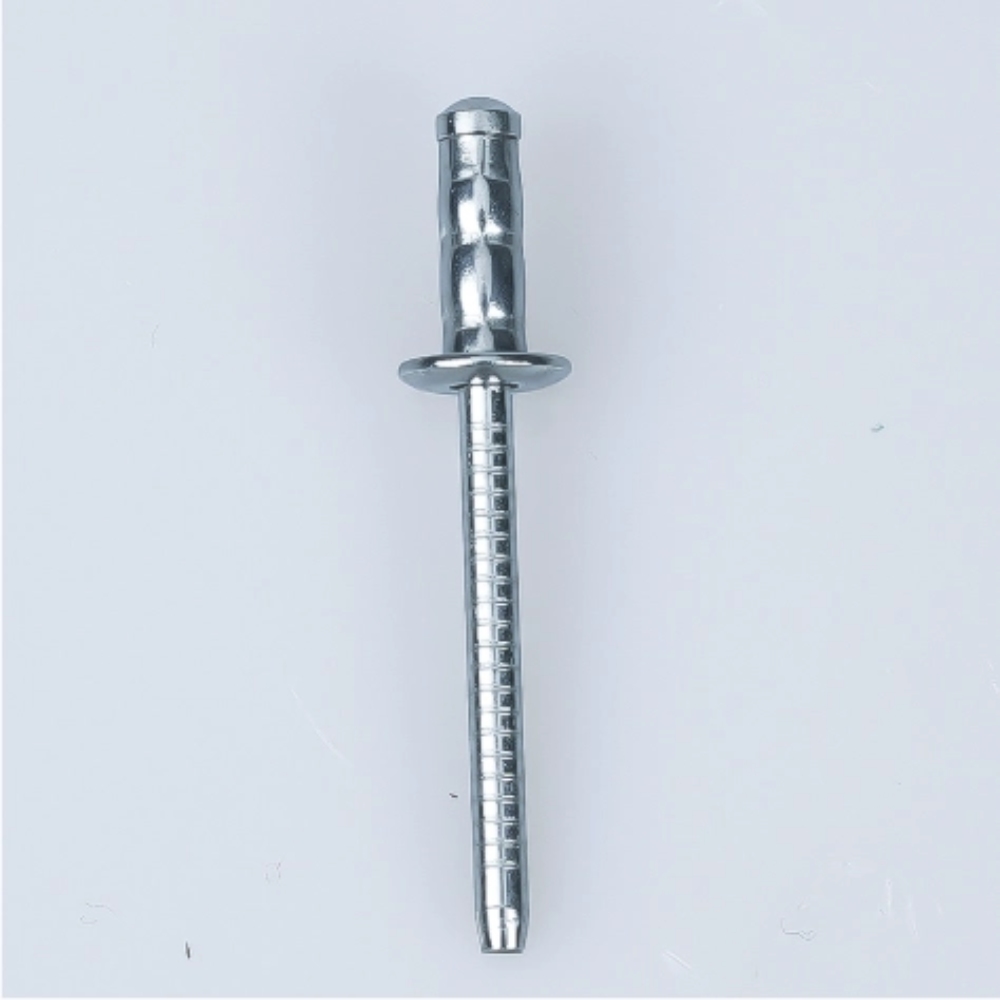
Versatile Fastening with Multi-grip Blind Rivet All Steel for Varying Thicknesses
In tasks with layers of diverse depths, the Multi-grip Blind Rivet serves as a key aid. This full-steel fitting grows to cover large or uneven openings. It gives a firm hold over a broad span of layer sizes. This flexibility cuts the need for many part types in storage. It also lowers the chance of picking the wrong size during assembly.
Cost-Effective Solutions Using High-Strength Composite Material Pairings
Mixing plastic or mix bases with metal fittings can lower mass and add electrical blocking. Items like nylon 6/6 pins or washers stop current paths. They manage heat steadily in a set range. This offers a light option for non-key secondary links. Such pairings keep costs down while meeting strength goals.
| Fastener Material | Density (g/cm³) | Relative Strength | Best Use Case |
| Carbon Steel | 7.85 | High | Heavy Structural |
| Stainless Steel | 7.93 | Moderate | Marine / Food Grade |
| Aluminum Alloy | 2.70 | Low-Medium | Aerospace / Automotive |
The data highlights trade-offs in each base. Carbon steel handles heavy builds with its density and power. Stainless fits wet or clean areas despite similar weight. Aluminum cuts mass sharply for light uses. Choosing wisely aligns with project aims, ensuring balance between weight and durability.
Why Rely on Professional Manufacturing Standards for Industrial Fasteners?
The gap between a thriving task and a flop often rests on the checks behind the minor pieces. Solid standards build trust in every part used.
Adherence to International Quality Certifications and Standard Dimensions
Skilled providers cover all goods under ISO 9001 quality steps. This involves supplying 3.1 papers to DIN-EN-10204 or PPAP files. These confirm each piece hits engineering details. Such measures verify consistency and fit across global needs.
Comprehensive Global Supply Chain and Value-Added Logistics Service
Smooth buying cuts expenses. A gathering service pulls varied items to one center before sending. This boosts delivery flow and cuts talk costs. The steady setup keeps production running without stops from lacking fittings. It supports timely project progress.
Technical Expertise and Direct Contact for Volume Inquiries
A fitting partner gives know-how to back the team. Services like sight checks, salt tests, or pull verifications come from a solid lab. They ensure batches match global rules before arrival. For large orders or tech talks, direct links to skilled managers help. This access aids in solving issues quickly and customizing solutions.
FAQ
Q: What is the difference between a standard blind rivet and a structural rivet?
A: A structural rivet, like the Mono-Lock, locks the stem into the body mechanically during setup. This gives much higher side and pull power than a basic blind rivet. The latter depends only on the widened body for hold. The stronger lock suits demanding links.
Q: How do I choose the right material for my pins and rivets in a chemical environment?
A: Consider the exact chemicals at play. In general, stainless steel (Grade A4) or fittings with top coatings like Geomet work best. They offer chemical steadiness and guard against breakdown. This choice prevents damage in reactive spots.
Q: Can multi-grip rivets really replace multiple sizes of standard rivets?
A: Yes, multi-grip rivets grow over a wider span of layer depths. This range lets one part secure various links well. It eases storage and reduces errors from wrong size picks. The design simplifies overall handling.


