

caTEGORIES
Tags
Threaded Inserts Installation in Metal: Methods, Tools, and Best Practices
Posted: February 06, 2026
Categories: News
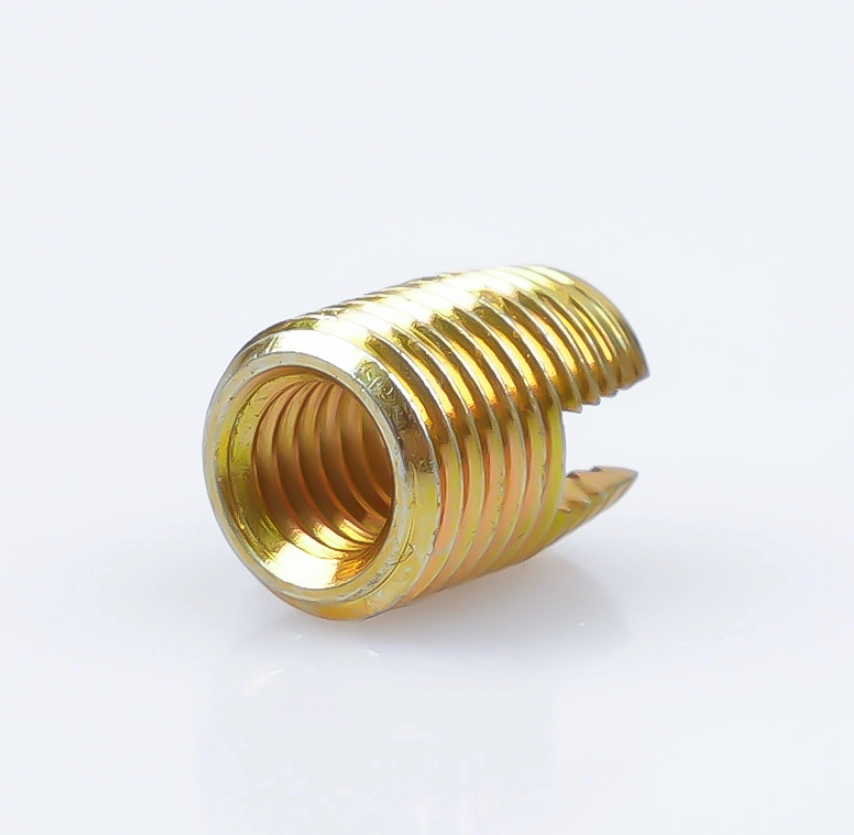
In industrial manufacturing, forming a secure joint often proves more challenging than expected. Whether dealing with aluminum casings or slim steel frameworks, the chance of ruining threads remains a persistent issue for technicians. This is precisely where threaded inserts step in, acting as a sturdy link between the bolt and the main material to ensure all parts stay firmly connected. As a dependable provider founded in 2004, Qewit has dedicated years to refining this vital connection. With roots as a fully owned British enterprise, Qewit merges Western standards for quality oversight with efficient output methods, focusing on top-quality fasteners that satisfy the strict needs of UK and European customers.
Why are Threaded Inserts Essential for Industrial Metal Applications?
Many metals selected in current production get picked for their lightweight nature or budget benefits rather than their ability to hold threads well. When attempting to fasten something straight into a pliable alloy, the outcome tends to be uneven, resulting in damaged threads and reduced security.
Creation of High-Strength Permanent Internal Threads
Regular threads carved directly into flexible metals frequently give out under ongoing use or intense pressure. Threaded inserts form a far sturdier, lasting inner thread that withstands repeated tightening and loosening without the surrounding metal failing.
Prevention of Thread Stripping in Soft or Thin Materials
Pliable metals such as aluminum or brass easily suffer from seizing and thread damage when facing twisting force. By spreading the pressure across a broader area, these inserts serve as a barrier, safeguarding the primary material from the harmful effects of the fastener.
Enhancement of Load-Bearing Capacity in Critical Joints
In settings with constant shaking, an ordinary screw simply falls short. Threaded inserts deliver the additional grip required to make sure key connections in large machines or vehicle structures remain secure even amid tough working conditions.
What are the Main Types of Qewit Self-Tapping Inserts?
Choosing the appropriate insert goes beyond mere dimensions; it involves aligning the material with the conditions it will face. Qewit provides various choices that emphasize toughness and simple application, turning them into a preferred option for numerous European and worldwide purchasers.
Stainless Steel Self Tapping Inserts for Corrosion Resistance
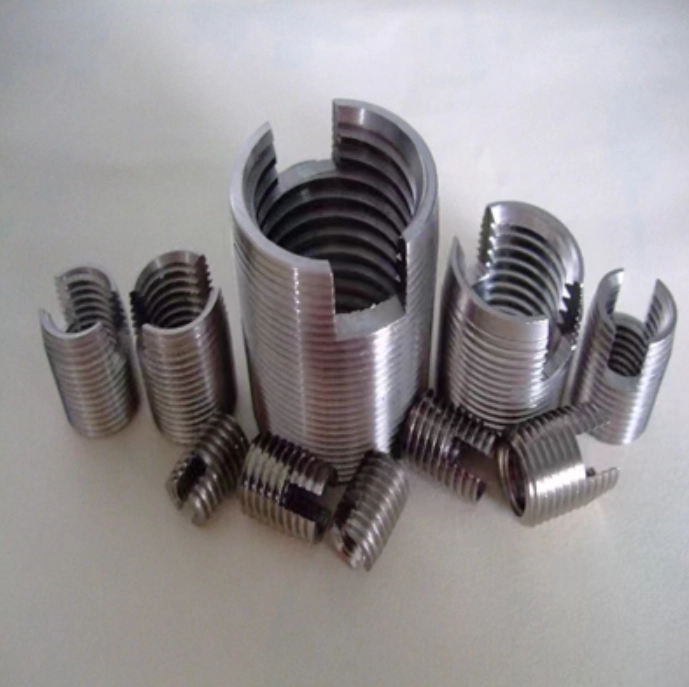
If the task involves outdoor exposure or a humid workshop setting, stainless steel stands as the clear choice. These inserts fend off rust and chemical wear, suiting them ideally for marine tools or food handling devices where cleanliness and durability are essential.
Hardened Steel Inserts for High-Strength Carbon Steel Applications
For demanding tasks with harder metals, an insert must hold its own. Hardened steel variants are built to form their path into carbon steel and similar blends, creating a firm base that resists shaping under severe strain.
Bespoke Non-Standard Inserts Tailored to Customer Drawings
At times, a typical DIN component fails to match a custom layout. Qewit takes pride in tackling particular assignments, delivering tailored shaping and specialized production drawn from client plans or prototypes.
How to Install Self-Tapping Inserts Correctly in Metal Substrates?
Installing these does not demand advanced expertise, yet skipping key steps will surely cause problems later. The appeal of self-tapping inserts lies in removing the need for a separate threading stage, but following the fundamentals remains crucial.
Preparation of Accurate Pre-Drilled Holes
It all begins with drilling the hole properly. If the opening proves too wide, the insert lacks hold; if too narrow, it could break the insert or harm the piece. Verifying the suggested drill size for the given metal type serves as the initial guideline.
Direct Driving Method Without the Need for Pre-Tapping
The self-tapping feature indicates that the insert includes its own cutting edge or front guide. Consequently, it forms its threads while being inserted, which cuts down considerable time in production lines and guarantees a snugger connection compared to a pre-threaded opening.
Utilization of Professional Installation Tools and Power Equipment
Although a basic bolt and nut might suffice for occasional fixes, serious manufacturing calls for suitable equipment. Employing a dedicated insertion tool or an electric driver with force regulation ensures the insert settles evenly and smoothly without overworking the metal.
What Technical Advantages do Qewit Inserts Provide to Global Clients?
Picking a provider involves more than viewing costs; it centers on trustworthiness and confidence that the items will function upon delivery to your storage. Qewit integrates Western business practices with strong production capabilities from the East.
Western Style Quality Management with Far Eastern Value
Drawing from British leadership influences, the firm grasps the tough requirements of European and UK sectors. They prioritize straightforward interaction and hassle-free assistance, extending from production areas to client storage.
ISO 9001 Certified Manufacturing and Strict Quality Control
Quality receives deliberate attention. Both Qewit and its associated plants hold ISO 9001 approval, so each set of fasteners undergoes thorough evaluation, including exposure to salt spray and pull tests, prior to dispatch.
Comprehensive Technical Support and PPAP Level 3 Certification
Handling intricate industrial assemblies requires solid records. Qewit supplies 3.1 certificates, initial sample inspections, and PPAP Level 3 documents as needed, offering engineering groups assurance that all parts trace back fully.
Which Industries Benefit Most from These Fastening Solutions?
Though fasteners appear minor, they form the core that binds large-scale ventures. From those in window surrounds to ones in drilling rigs, such elements appear throughout various fields.
Heavy Industry and Mining Equipment Assembly
Amid the dust and jolts of mining sites or build zones, fasteners endure heavy abuse. Superior threaded inserts and robust anchors prove vital for maintaining machinery operations in some of the planet’s roughest spots.
Automotive and Precision Electronic Instrument Manufacturing
Accuracy defines these areas. Be it fixing a detector in an engine block or putting together a fine electronic case, the reliability and compact form of socket screws and inserts play a key role.
Building Infrastructure and Metal Window Frame Installation
Contemporary structures depend on metal surrounds for entries and views. Custom links and spreading anchors make certain these surrounds remain straight and fixed, countering gusts and routine degradation.
FAQ
Q1: Can I reuse a self-tapping insert if I remove it?
A: Generally, it’s not a great idea for critical joints. While they are technically detachable, the process of cutting into the metal usually means the second time around won’t be nearly as tight. If it’s just for a non-load-bearing cover, you might get away with it, but for anything serious, grab a new one.
Q2: Do I need special lubrication during installation?
A: For most metals, a little bit of light oil can help the insert cut more smoothly and prevent the metal from overheating. However, if you’re working with certain plastics or if the environment needs to stay bone-dry, check the material specs first.
Q3: What’s the difference between 304 and 316 stainless steel for these inserts?
A: In short: salt. 304 is great for most indoor and general outdoor uses, but if your gear is going to be near the ocean or exposed to heavy chemicals, 316 (often referred to as A4 grade) has extra molybdenum to stop that “tea staining” or pitting from the salt air.


