

CATEGORIAS
Etiquetas
Como os materiais e revestimentos das arruelas influenciam o custo total de fabricação
Publicado: 19 de junho de 2026
Categorias: Novas
Etiquetas: notícias
Uma arruela só é barata quando funciona no lugar certo. Na produção em larga escala, um pequeno problema com uma arruela pode se repetir em todo o lote. Materiais inadequados para as arruelas podem causar ferrugem, marcas na superfície, folgas nas juntas ou necessidade de verificações extras após a montagem. O preço unitário pode parecer bom no papel, mas o custo real aparece mais tarde em retrabalho, reclamações sobre a embalagem, manutenção ou atrasos na produção.
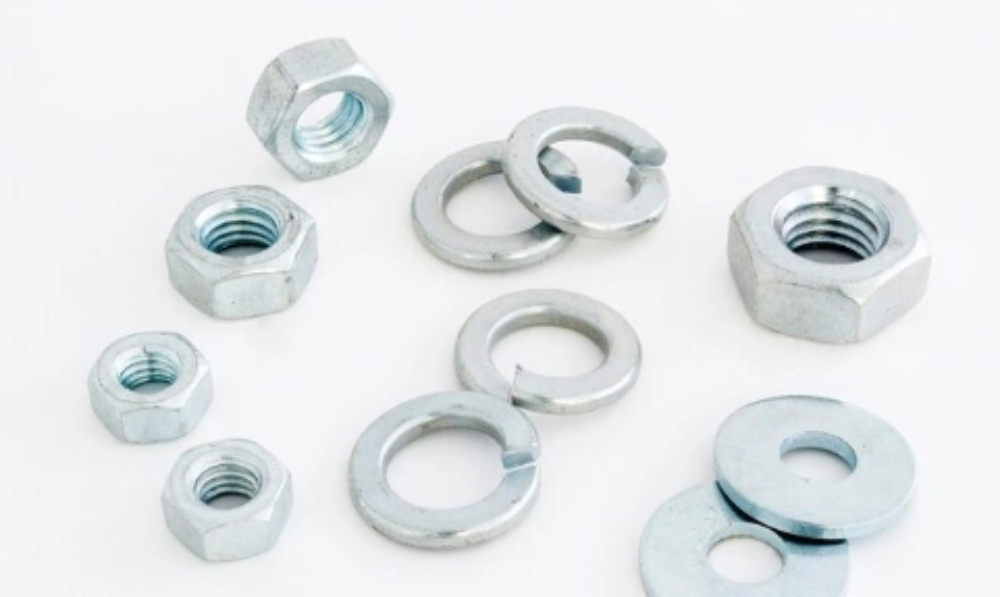
Qewit Fornecemos fixadores e acessórios para compradores industriais que necessitam de especificações consistentes, opções de materiais, alternativas de tratamento de superfície e suporte eficiente para o fornecimento. Para projetos com arruelas, os compradores podem precisar de mais de um item. Uma arruela plana pode ser usada para distribuição de carga. Uma arruela de pressão pode ser necessária em ambientes com vibração. Uma arruela plástica com tampa pode ser mais adequada para painéis, coberturas ou peças visíveis. A escolha correta começa com a análise das condições de montagem, e não apenas com o menor preço.
Por que as máquinas de lavar afetam mais do que apenas o preço unitário?
Uma arruela fica entre o fixador e a peça que está sendo montada. Pode parecer um pequeno espaçador, mas ajuda a controlar a pressão de contato, danos à superfície e a estabilidade da junta. Em uma máquina ou gabinete individual, a diferença pode não parecer grande. Em uma linha de produção com repetições, o mesmo erro pode se tornar um custo real.
Carga Distribuição e Proteção da Superfície
As arruelas planas são usadas principalmente para distribuir a pressão. Elas reduzem as marcas diretas da cabeça do parafuso ou da porca e ajudam o fixador a assentar de maneira mais uniforme na superfície. Isso é útil para chapas metálicas, peças pintadas, carcaças de plástico, materiais macios ou furos que precisam de maior suporte.
Para conjuntos padrão de parafusos e porcas, DIN 125A Flat Round Washers São um produto prático a se considerar. Adaptam-se a muitos pontos de fixação gerais onde os compradores precisam de tamanho estável, encaixe simples e controle de estoque facilitado.
Custos ocultos da escolha errada da máquina de lavar
O custo dos materiais e revestimentos da lavadora não se resume apenas ao preço da própria lavadora. Uma escolha inadequada pode gerar inspeções adicionais, arranhões na superfície, ferrugem, folgas nas juntas ou necessidade de substituição prematura. Esses são custos que os compradores geralmente descobrem após o uso do produto.
Por exemplo, uma arruela plana básica pode ser suficiente para uma montagem em ambiente interno e seco. Mas se a peça for usada em equipamentos com vibração, a equipe de manutenção pode precisar verificá-la e apertá-la com mais frequência. Nesse caso, a arruela mais barata não representou uma economia real.
Arruelas padrão e arruelas específicas para cada aplicação
As arruelas padrão são úteis quando o ponto de fixação não apresenta riscos especiais. As arruelas específicas para cada aplicação são utilizadas quando a montagem necessita de isolamento, suporte antiafrouxamento, proteção da superfície ou maior resistência à corrosão.
Como os materiais e revestimentos das máquinas de lavar afetam o custo a longo prazo?
O material e o revestimento determinam o comportamento de uma arruela. O importante é escolher uma arruela que mantenha a montagem estável e minimize problemas futuros.
Arruelas de aço inoxidável versus arruelas de aço carbono
A comparação entre arruelas de aço inoxidável e arruelas de aço carbono geralmente se baseia no preço e na resistência à corrosão. As arruelas de aço carbono são frequentemente usadas em aplicações internas controladas, onde a umidade é limitada. As arruelas de aço inoxidável custam mais, mas são mais adequadas para uso em ambientes úmidos, externos ou sensíveis à corrosão.
Arruelas zincadas versus arruelas de aço inoxidável
Arruelas zincadas podem oferecer proteção básica contra corrosão às arruelas de aço, mantendo o custo mais baixo do que o aço inoxidável em muitas aplicações gerais. No entanto, o aço inoxidável oferece melhor resistência à corrosão. Pode ser a opção mais segura quando a arruela estiver exposta à umidade, ar externo ou a ambientes de serviço mais exigentes.
Escolha do revestimento e planejamento de manutenção
Revestimentos como zinco galvanizado, zinco em flocos e galvanização a quente podem alterar a vida útil e a aparência das arruelas. O revestimento correto pode reduzir reclamações por ferrugem e a necessidade de substituição. O revestimento incorreto pode falhar durante o armazenamento ou após a instalação.
Para materiais de arruelas, o revestimento deve ser verificado em conjunto com o ambiente de trabalho. Uma arruela de baixo custo com acabamento inadequado pode se tornar cara após a produção e o uso.
| Escolha da lavadora | Ajuste melhor | Vantagem de custo | Principal risco em caso de uso indevido |
|---|---|---|---|
| Arruelas planas de aço carbono | Montagens para ambientes internos secos, pontos de fixação padrão. | Custo de primeira compra mais baixo | Risco de ferrugem em locais úmidos ou corrosivos |
| Arruelas de aço inoxidável | Conjuntos para ambientes úmidos, externos ou sensíveis à corrosão | Menor risco de substituição | Custo mais elevado se o risco de corrosão for baixo. |
| Arruelas zincadas | Uso industrial geral | Equilíbrio entre custo e proteção básica contra corrosão | Insuficiente para exposição severa. |
| Rect Spring Washers DIN 127B | Juntas propensas à vibração | Ajuda a reduzir o afrouxamento dos cheques | Não é necessário para todas as juntas estáticas. |
| Lavadores de plástico com capa | Peças visíveis, revestidas ou sensíveis à superfície | Reduz problemas de marcação e aparência | Não indicado para juntas metálicas de carga pesada. |
Quais tipos de arruelas são adequados para as necessidades de fabricação em larga escala?
A produção em larga escala nem sempre significa usar a mesma arruela em todos os lugares. Um projeto pode exigir vários tipos de arruelas, pois diferentes pontos de fixação apresentam riscos distintos. O comprador deve primeiro definir os pontos de fixação e, em seguida, escolher o tipo de arruela.
Arruelas planas redondas DIN 125A para montagens padrão
As arruelas planas redondas DIN 125A são adequadas para montagens padrão de parafusos e porcas, onde o objetivo é a distribuição de carga e a proteção da superfície. Para compras em grande volume, seu valor não se resume apenas ao preço da arruela. Tamanho, material, revestimento e embalagem consistentes também são importantes.
Para as arruelas planas redondas Qewit DIN 125A, os compradores podem verificar detalhes importantes antes de fazer o pedido: padrão DIN 125A, faixa de tamanhos de M2,5 a M100, opções de materiais incluindo aço carbono, aço inoxidável e latão, opções de dureza como 140HV e 200HV ou superior, e acabamentos como zincado, zincado em flocos e galvanizado a quente. Esses detalhes afetam diretamente o custo dos materiais e revestimentos das arruelas na produção repetida.
Arruelas de pressão retangulares DIN 127B para controle de vibração
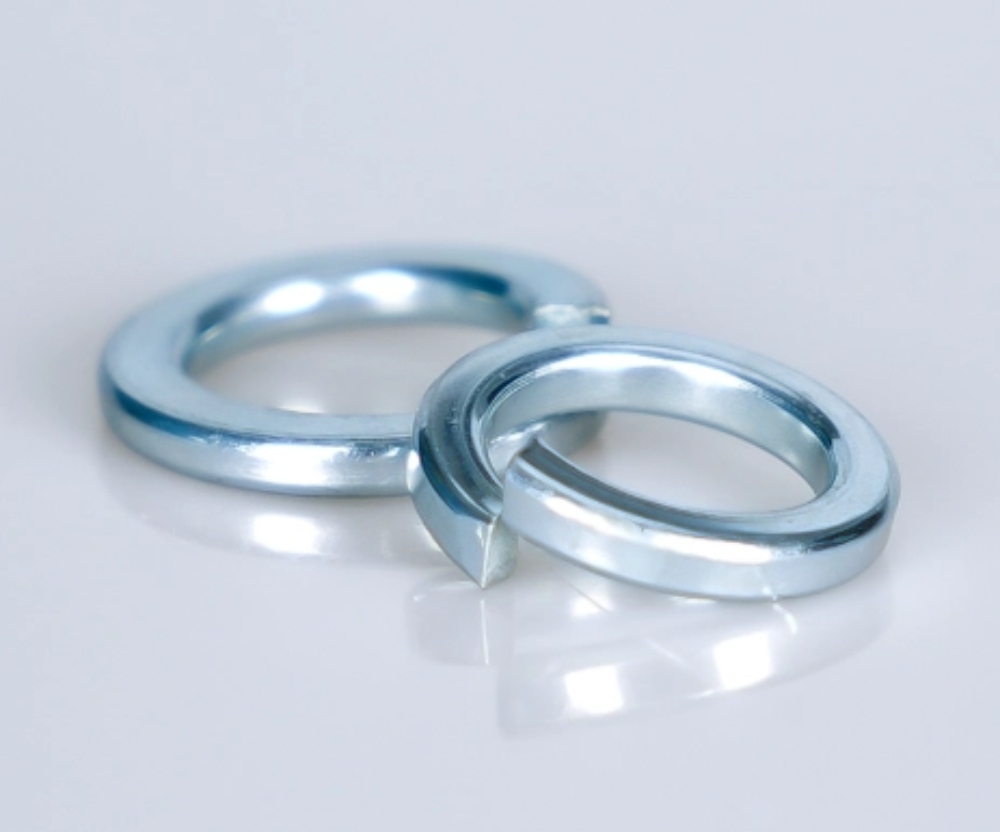
Montagens com risco de vibração ou afrouxamento podem precisar de algo mais do que uma arruela plana. Rect Spring Washers DIN 127B Vale a pena verificar as estruturas das máquinas, as coberturas dos equipamentos e os pontos de fixação que possam sofrer movimentos repetidos.
Não precisam ser usados em todas as juntas. Seu valor fica mais evidente onde fixadores soltos causariam trabalhos de manutenção, paradas na produção ou verificações repetidas de aperto.
Arruelas de plástico com tampa para peças sensíveis à superfície
Alguns pontos de fixação precisam de proteção contra contato com metal. Lavadores de plástico com capa São mais adequadas para funções leves ou sensíveis à superfície, e não para juntas estruturais de carga pesada.
São úteis quando o comprador deseja reduzir riscos, separar o contato entre metais, proteger superfícies revestidas ou manter os painéis visíveis mais limpos. Podem ser consideradas para painéis de equipamentos, ferragens de móveis, componentes elétricos, capas decorativas e outras áreas de fixação visíveis.
Como os compradores devem escolher as máquinas de lavar para controlar os custos da linha de montagem?
As arruelas com melhor custo-benefício para linhas de montagem nem sempre são as mais baratas. Uma boa escolha reduz riscos, garante uma montagem tranquila e se adapta às condições reais de trabalho. O comprador deve primeiro identificar a função que a arruela deve desempenhar e, em seguida, verificar o material, o revestimento, as normas, a embalagem e a estabilidade do fornecimento.
Adequação do tipo de arruela ao risco de falha
Comece avaliando o risco de fixação. A junta é estática ou sujeita a movimento? A superfície é pintada, macia ou fácil de marcar? A peça será usada em ambientes internos, externos ou em áreas úmidas? A arruela precisa distribuir a pressão, reduzir o afrouxamento, proteger a aparência ou fornecer isolamento?
Essas perguntas evitam um erro comum: usar o mesmo tipo de arruela em todos os lugares.
Compras em grande quantidade e padronização
Para grandes encomendas, a padronização reduz problemas. Os compradores devem confirmar o tamanho, o material, o revestimento, a embalagem e os fixadores compatíveis antes da compra em grande quantidade. Se a encomenda incluir diferentes categorias de fixadores, um único fornecedor que possa ajudar a combinar os produtos pode reduzir o tempo de comunicação.
A gama de arruelas da Qewit é compatível com arruelas planas padrão, arruelas de pressão e arruelas de plástico para diferentes pontos de montagem.
Controle de qualidade antes da produção em massa
Antes de confirmar um grande pedido de arruelas, os compradores devem verificar cinco pontos: se o padrão da arruela corresponde ao sistema de parafusos e porcas, se o material é adequado ao ambiente, se o revestimento é adequado às condições de armazenamento e serviço, se a espessura e o tamanho do furo são suficientemente estáveis para a montagem e se o método de embalagem é adequado à linha de produção.
Para pedidos recorrentes, essas verificações são mais úteis do que comparar apenas o preço unitário.
Por que escolher arruelas da Qewit para seus projetos de fabricação?
As opções de arruelas da Qewit atendem a diferentes prioridades de custo. As arruelas planas redondas DIN 125A são adequadas para distribuição de carga padrão. As arruelas de pressão retangulares DIN 127B oferecem suporte a pontos de fixação com risco de vibração. As arruelas plásticas com tampa auxiliam na proteção da superfície, na aparência e em pontos de contato não metálicos.
Uma regra simples ajuda. Para montagens em ambientes internos secos com carga normal, arruelas planas de aço carbono costumam ser suficientes. Para uso em ambientes úmidos, externos ou sensíveis à corrosão, deve-se verificar o aço inoxidável ou um revestimento mais resistente antes de escolher apenas pelo preço. Para posições propensas à vibração, deve-se considerar o uso de arruelas de pressão, pois o aperto posterior pode custar mais do que a própria arruela. Para painéis pintados, capas plásticas, componentes elétricos ou superfícies visíveis, arruelas plásticas com tampa podem reduzir danos à superfície.
Para compradores que comparam materiais de arruelas, a Qewit pode auxiliar na seleção do material, escolha do acabamento, embalagem e compra de fixadores mistos. Isso ajuda o comprador a se concentrar na adequação ao projeto, e não apenas no preço unitário.
Para projetos de arruelas com materiais mistos, requisitos de revestimento, desenhos ou necessidades de embalagem em lote, compartilhe o ambiente de aplicação, o tamanho do fixador, a condição de carga, o requisito de superfície e a estrutura do pedido por meio do Qewit. contato Informações claras ajudam o fornecedor a verificar se arruelas planas, arruelas de pressão, arruelas de plástico com tampa ou outra especificação são mais adequadas antes de iniciar a compra em grande quantidade.
FAQ
P: Como os materiais das arruelas afetam o custo total de fabricação?
A: Os materiais das arruelas afetam a resistência à corrosão, a proteção da superfície, a estabilidade da montagem, a facilidade de inspeção e o risco de substituição. Um material de menor custo pode funcionar bem em ambientes internos secos, mas um material resistente à corrosão pode representar uma economia em condições úmidas, externas ou corrosivas.
P: Arruelas de aço inoxidável são sempre melhores que arruelas de aço carbono?
R: Não. Arruelas de aço inoxidável são úteis onde a resistência à corrosão é importante. Arruelas de aço carbono podem ser mais econômicas para aplicações internas controladas. A melhor opção depende do ambiente, da carga, da vida útil e do risco de falha.
P: Quais são as lavadoras mais econômicas para linhas de montagem?
A: As arruelas mais econômicas para linhas de montagem são aquelas adequadas à aplicação real. Arruelas planas são ideais para distribuição básica de carga, arruelas de pressão ajudam a evitar o afrouxamento causado por vibração e arruelas plásticas com tampas protegem superfícies sensíveis.


