

CATEGORIAS
Etiquetas
Como escolher o diâmetro correto para parafusos de rosca formadora com base nos requisitos de carga
Publicado: 18 de junho de 2026
Categorias: Novas
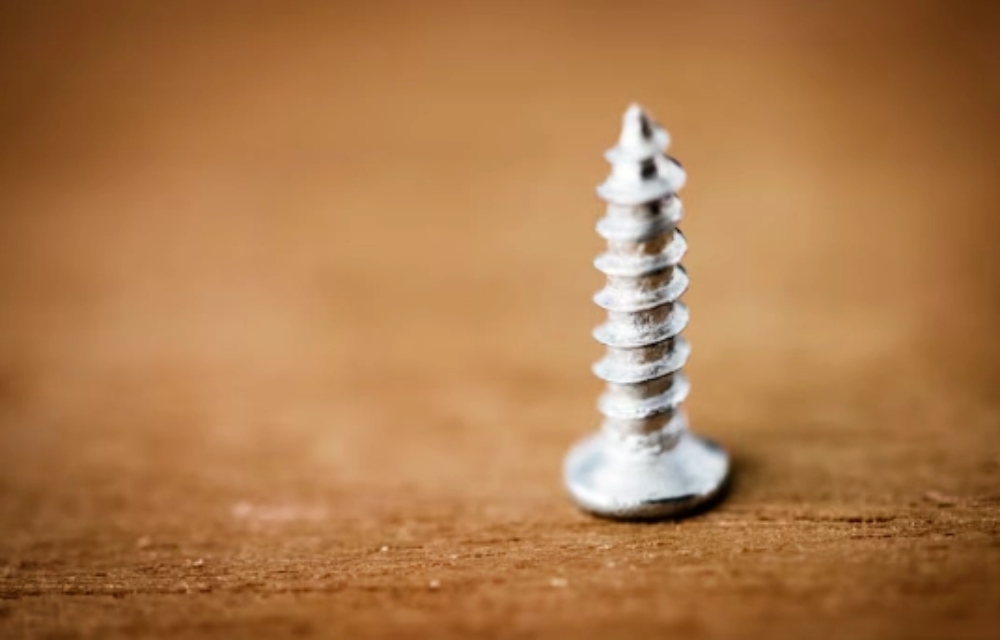
Escolher o diâmetro correto para parafusos de rosca formadora não se resume a optar pelo tamanho maior e presumir que seja mais seguro. Em trabalhos reais de montagem, o parafuso precisa formar uma rosca interna limpa, suportar a carga necessária e, ainda assim, ser instalado sem danificar o furo, a cabeça, o revestimento ou a peça de trabalho.
Qewit A Qewit fornece fixadores e elementos de fixação industriais. Para montagens metálicas, seus parafusos de rosca formadora DIN 7500 são úteis quando os compradores desejam fixação sem a necessidade de rosqueamento adicional. Este artigo se concentra nos modelos DIN 7500 CE e DIN 7500 ME. Ambos estão disponíveis nos tamanhos M2 a M10 e comprimentos de 3 a 80 mm, com opções em aço carbono e aço inoxidável. Para compradores que lidam com pedidos mistos de fixadores, a linha de produtos e o suporte técnico da Qewit são essenciais, pois o tamanho do parafuso geralmente precisa ser verificado juntamente com o acabamento, a embalagem, as arruelas, os desenhos e os planos de entrega.
Por que o diâmetro é importante na seleção de parafusos formadores de rosca?
O diâmetro afeta a área de contato entre o parafuso e a rosca. Também influencia o torque, a resistência à extração e o comportamento da junta após a montagem. Um parafuso pequeno pode entrar suavemente, mas pode não fornecer força de fixação suficiente. Um parafuso maior pode oferecer melhor fixação, mas somente se o material e o furo permitirem.
Essa é a lógica básica por trás da seleção do diâmetro de parafusos para formação de rosca. O tamanho deve seguir as condições da junta, e não apenas o que consta no catálogo.
Área de contato e força de retenção
Um diâmetro maior geralmente proporciona maior área de contato da rosca. Isso pode ajudar a junta a suportar carga, especialmente quando a peça tem espessura suficiente. Mas isso não funciona da mesma forma para todos os materiais.
Direção da carga e margem de segurança
Uma placa de cobertura pode precisar apenas permanecer no lugar. Um suporte ou alojamento de equipamento pode precisar resistir a forças de tração, cisalhamento, vibração ou uso repetido. Quanto mais trabalho a junta tiver que realizar, mais cuidadosamente o diâmetro do parafuso, a profundidade da rosca e o furo piloto devem ser verificados.
Risco de sobredimensionamento
O sobredimensionamento causa muitos pequenos problemas que, posteriormente, se transformam em problemas de produção. O dispositivo de acionamento pode escorregar. O recesso pode quebrar. O painel pode entortar. O revestimento próximo ao furo pode rachar. Em grandes encomendas, mesmo um pequeno problema de torque pode atrasar a linha de produção ou gerar qualidade irregular.
Como escolher o diâmetro do parafuso de rosca formadora para uma carga específica?
A questão de como escolher o diâmetro de um parafuso de rosca passante deve começar pela análise da peça em si. Qual o material utilizado? Qual a sua espessura? O parafuso suporta carga ou apenas fixa uma tampa? A peça será aberta novamente durante a manutenção? Esses detalhes determinam se o diâmetro é adequado ou excessivamente agressivo.
Para os compradores, uma verificação prática é simples: comparar a demanda de carga, a espessura do material, a condição do furo piloto, o estilo da cabeça e o acabamento antes de confirmar o tamanho.
Comece com a força articular necessária.
Não comece com parafusos “M4 ou M5” muito cedo. Comece pela função da junta. Uma tampa de caixa de controle, um painel de metal leve e um suporte podem usar parafusos de aparência semelhante, mas não precisam da mesma força de fixação. Se a junta apresentar risco de vibração ou de se soltar, o diâmetro e o comprimento de encaixe exigem mais atenção.
O diâmetro deve ser compatível com a espessura do material.
Uma peça fina nem sempre suporta um parafuso maior. Deve haver material suficiente ao redor do furo para formar uma rosca estável. Em materiais mais espessos, o mesmo diâmetro pode ter um desempenho melhor, pois o parafuso tem mais profundidade para se fixar. É por isso que testes de amostra são importantes antes de um pedido em lote.
Verifique a capacidade de carga em condições reais.
A capacidade de carga de um parafuso de rosca formadora não é determinada apenas pelo diâmetro. Ela também depende da resistência do material, da tolerância do furo, da velocidade de instalação, do acabamento superficial e se o parafuso será removido e reinstalado.
Qual o papel do tamanho do furo piloto na seleção do diâmetro?
Um bom parafuso ainda pode falhar se o furo estiver errado. Em muitos problemas de montagem, o diâmetro selecionado não é o único problema. O furo-guia pode ser muito pequeno, muito grande ou inconsistente de um lote para outro.
O tamanho do furo piloto para parafusos de formação de rosca deve permitir que o parafuso forme a rosca sem torque excessivo e sem contato fraco dentro do furo.
Faixa correta do furo piloto antes da confirmação do diâmetro.
Se o furo-guia for muito pequeno, o parafuso pode até penetrar com dificuldade inicialmente, mas o torque de aperto pode ficar excessivo. Isso pode danificar o recesso, deformar a peça ou fazer com que os trabalhadores diminuam o ritmo de trabalho. Em chapas metálicas finas, esse problema é ainda mais evidente.
Orifícios grandes reduzem o contato da rosca
Se o furo piloto for muito grande, a instalação pode parecer fácil, mas o parafuso pode não ter contato suficiente com a rosca. A junta pode perder a firmeza e o parafuso pode se soltar mais rapidamente devido à vibração ou ao manuseio repetido.
Furos consistentes garantem fixação consistente.
Para peças de produção, a consistência dos furos é tão importante quanto a dimensão nominal da rosca. Processos de estampagem, furação, revestimento e alterações de tolerância podem afetar o furo final. Uma dimensão de rosca aprovada pode não se comportar da mesma forma se o processo de furação for alterado posteriormente.
Qual produto Qewit DIN 7500 é adequado para sua montagem?
Após verificar o diâmetro e as condições do furo, a próxima escolha é o tipo de cabeça. A cabeça do parafuso afeta a altura da superfície, a fixação, a aparência e a inspeção. Como as normas DIN 7500 CE e DIN 7500 ME compartilham faixas de tamanho e material semelhantes, a primeira decisão geralmente é se a montagem requer uma cabeça panela ou uma cabeça escareada.
DIN 7500 CE para fixação em superfícies elevadas
DIN 7500 CE É adequado quando uma cabeça panela saliente é aceitável. Funciona bem para tampas metálicas, carcaças, peças de chapa metálica e montagens industriais em geral, onde a cabeça do parafuso não precisa ficar nivelada. A cabeça também é fácil de inspecionar após a instalação, o que é útil na montagem em lote.
DIN 7500 ME para Requisitos de Superfície Nivelada
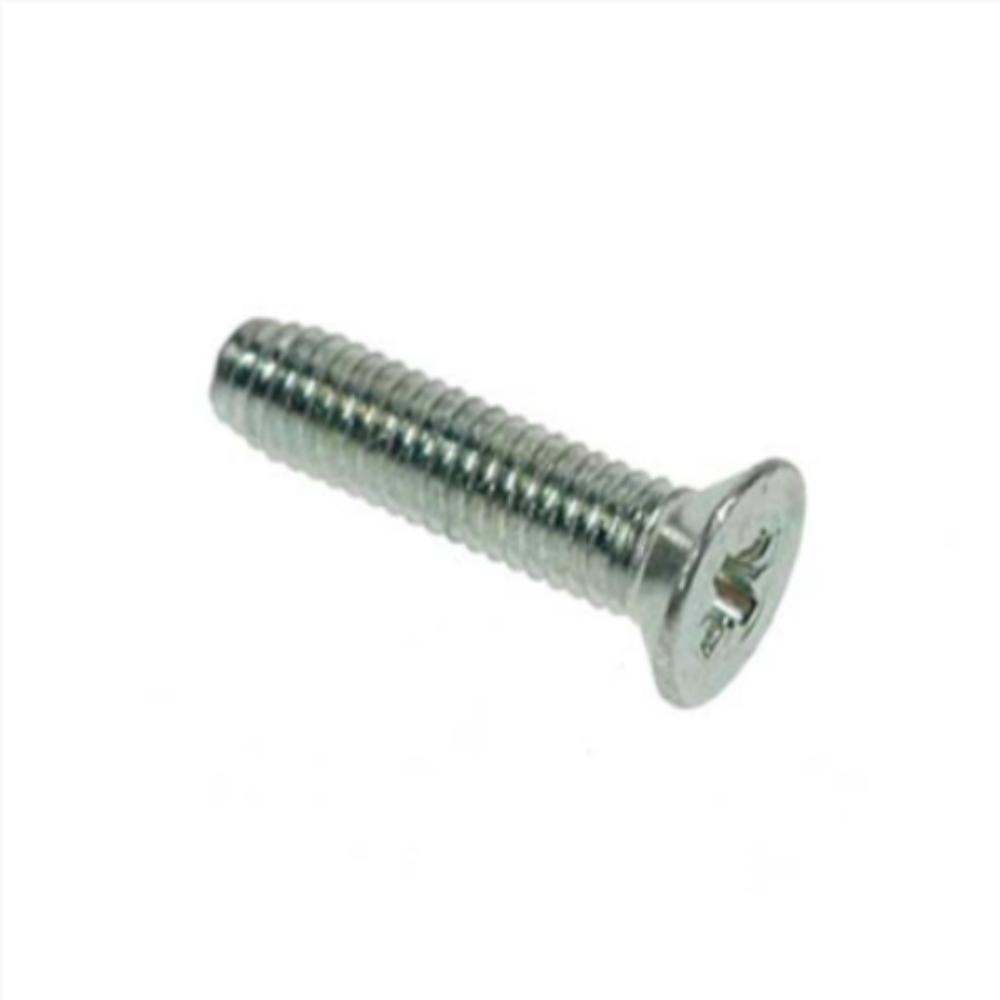
DIN 7500 ME É mais adequado quando a superfície precisa permanecer plana. Pode ser usado em painéis, tampas, suportes ou peças metálicas visíveis onde uma cabeça saliente pode interferir no encaixe ou na aparência. O rebaixo deve ser preparado corretamente. Se o assentamento for inadequado, a junta pode parecer aceitável, mas perder a qualidade do contato.
Combinação de materiais e acabamentos
O aço carbono é frequentemente usado para fixações industriais em geral, onde custo e resistência são importantes. O aço inoxidável é mais adequado quando se exige resistência à corrosão. As opções de acabamento, como zincagem, galvanização a quente, revestimento de zinco, oxidação negra ou coloração natural, devem ser avaliadas em relação às condições de armazenamento, ao ambiente de uso final e aos requisitos de superfície do cliente.
Como os compradores podem evitar a seleção de diâmetro incorreto?
A seleção incorreta do diâmetro geralmente se torna evidente durante a montagem. A peça pode até "encaixar", mas a fixação não será estável. Os compradores não devem aprovar um parafuso apenas porque ele entra no furo.
O engate da rosca em parafusos de rosca formadora deve ser verificado em função do diâmetro. Um engate adequado distribui a carga por toda a rosca formada. Um engate inadequado pode comprometer o desempenho até mesmo de parafusos maiores.
Sinais comuns de escolha incorreta do diâmetro
Se os trabalhadores precisarem de muita força para apertar o parafuso, o furo-guia pode ser muito pequeno ou o diâmetro pode ser muito grande. Se o parafuso girar sem oferecer resistência suficiente, o furo pode ser muito grande ou o material pode não proporcionar encaixe adequado. Se a cabeça do parafuso não assentar corretamente, o problema pode estar relacionado ao formato da cabeça, ao rebaixo ou à irregularidade do furo.
Confirme a junta antes de fazer o pedido.
Antes de fazer o pedido, envie o desenho, a especificação do material, a espessura da chapa, o tamanho do furo e a tolerância do furo. Esses detalhes ajudam a evitar a escolha de um tamanho que pareça adequado no catálogo, mas que apresente problemas na produção.
Teste antes do uso em lote
Um teste de amostra pode mostrar se o diâmetro é muito fraco, muito agressivo ou adequado. Verifique o torque de acionamento, o assentamento da cabeça, o comportamento de extração e se o material ao redor do furo se deforma.
Para projetos com materiais mistos ou requisitos de superfície rigorosos, envie à Qewit o desenho, a espessura do material, as condições dos furos-guia e o plano de embalagem através do seu sistema. contato página. Isso ajuda a confirmar qual opção de fixação é adequada para a montagem antes da compra em grande quantidade.
FAQ
P: Como sei se devo usar um parafuso formador de rosca de diâmetro maior?
A: Utilize um diâmetro maior somente quando a espessura do material, o tamanho do furo piloto e a carga exigida o permitirem. Para parafusos de rosca formadora, o diâmetro deve sempre ser verificado em conjunto com as condições do furo e o comportamento do material.
P: O mesmo diâmetro pode funcionar para diferentes materiais metálicos?
R: Às vezes, mas nem sempre. Aço, aço inoxidável, alumínio e chapas metálicas revestidas podem reagir de forma diferente durante a formação da rosca. O mesmo diâmetro pode exigir um furo piloto ou comprimento de engate diferente.
P: Devo escolher a norma DIN 7500 CE ou a DIN 7500 ME para o meu projeto?
A: Escolha DIN 7500 CE quando uma cabeça panela saliente for aceitável e a fixação da superfície for importante. Escolha DIN 7500 ME quando a aplicação exigir uma cabeça escareada para uma superfície mais plana.


