

CATEGORIAS
Etiquetas
Como calcular a capacidade de carga de parafusos de concreto em diferentes materiais

Publicado: 25 de junho de 2026
Categorias: Novas
Os parafusos para concreto não são escolhidos apenas pelo tamanho. O mesmo parafuso pode apresentar desempenho diferente em concreto denso, tijolo maciço, tijolo de areia e cal ou alvenaria antiga. Para o comprador, a verdadeira questão não é apenas "quanto peso ele suporta", mas se o substrato, a profundidade de embutimento, a direção da carga, a qualidade do furo e a posição de instalação são compatíveis com a carga de trabalho do projeto.
Este guia explica como calcular a capacidade de carga de parafusos de concreto de forma prática antes de fazer o pedido. Ele não substitui o projeto ou os testes no local, mas ajuda os compradores a fazer as perguntas certas, comparar as opções de produtos e evitar erros comuns de instalação.
Qewit A Qewit fornece produtos de fixação, como parafusos, buchas para concreto, parafusos para alvenaria, porcas e arruelas para construção civil e indústria. Para aplicações em concreto e alvenaria, a Qewit oferece parafusos em diversos formatos de cabeça, roscas, materiais e em uma variedade de embalagens. Todos os nossos produtos de fixação são fornecidos como a solução adequada para a aplicação específica, e não apenas como um produto de boa aparência ou barato.
Por que o material de base afeta a capacidade de carga dos parafusos de concreto?
O material de base determina a capacidade de fixação da rosca dentro do furo. Concreto denso geralmente proporciona melhor encaixe da rosca do que materiais fracos, rachados, ocos ou desgastados. Mesmo um parafuso bem fabricado pode não ter um bom desempenho se o substrato não suportar a carga.
A capacidade de carga dos parafusos para concreto deve ser verificada levando-se em consideração as condições reais do material. Um parafuso instalado em concreto resistente não se comportará da mesma forma em alvenaria antiga ou tijolo de baixa densidade. Por isso, os compradores devem verificar as características do substrato antes de conferir o comprimento ou o tipo da cabeça do parafuso.
Densidade e resistência do concreto
O concreto denso proporciona à rosca um material mais sólido para se fixar. Concreto fraco, fissurado ou com partículas soltas ao redor do furo pode reduzir a capacidade de fixação. Se o ponto de fixação for de segurança, a avaliação visual não é suficiente. Os compradores devem verificar os dados de carga disponíveis, as instruções de instalação e os requisitos do projeto antes da seleção final.
Diferenças entre tijolo e alvenaria
Em projetos que envolvam concreto, tijolo e alvenaria, os compradores não devem considerar todos os substratos como se fossem iguais em termos de condições de fixação. Tijolos maciços podem oferecer melhor suporte do que alvenaria macia ou danificada, enquanto tijolos de areia e cal podem exigir perfuração cuidadosa e seleção adequada do comprimento dos parafusos. Um produto adequado para um substrato rígido pode exigir um comprimento ou método de instalação diferente em outro.
Distância da borda e condição do substrato
Um parafuso colocado muito perto de uma borda, canto, junta ou área danificada pode rachar o material base. Uma distância inadequada da borda pode reduzir a capacidade de fixação, mesmo quando o tamanho do parafuso parece correto. Os compradores também devem verificar a espessura da peça a ser fixada, o espaçamento entre os parafusos e se vários pontos de fixação compartilham a mesma carga.
Como calcular a capacidade de carga de parafusos de concreto em um determinado material?
Um cálculo prático começa com o material base, verificando em seguida o embutimento efetivo, a direção da carga e os dados do fornecedor. A carga de trabalho deve ser sempre inferior à carga de ruptura indicada nos testes ou nos dados do produto.
O processo deve seguir esta ordem: identificar o substrato, confirmar a profundidade efetiva de ancoragem, verificar os dados de resistência à extração e ao cisalhamento para esse substrato e, em seguida, aplicar o fator de segurança do projeto para obter a carga de trabalho admissível. Se houver resistência tanto à extração quanto ao cisalhamento, o menor valor seguro deve orientar a seleção do produto.
| Informações a confirmar | O que os compradores devem verificar | Por que isso afeta a capacidade de carga? |
|---|---|---|
| Material base | Concreto, tijolo maciço, tijolo de areia e cal, alvenaria, substrato rachado ou íntegro | Diferentes substratos proporcionam diferentes níveis de encaixe da rosca. |
| Tamanho e comprimento do parafuso | Diâmetro, comprimento total, profundidade efetiva de embutimento | A capacidade de carga não pode ser avaliada apenas pelo tamanho. |
| Direção de carga | Tração, cisalhamento ou carga combinada | Diferentes forças criam diferentes riscos de falha. |
| Posição de instalação | Distância da borda, espaçamento, espessura da fixação, profundidade do furo | Um posicionamento inadequado pode reduzir a capacidade de sustentação. |
| Ambiente de trabalho | Ambientes internos, externos, úmidos, corrosivos, vibração | O material e o acabamento podem precisar de ajustes. |
| Dados do fornecedor | Carregar dados, notas de instalação, embalagem, opções de materiais | Ajuda os compradores a evitarem dúvidas antes de fazerem um pedido em grande quantidade. |
Verificação do material base
Comece por confirmar se o parafuso penetrará em concreto, tijolo maciço, tijolo de areia e cal, pedra ou alvenaria. Em seguida, verifique se o material é maciço ou oco, novo ou antigo, seco ou úmido, rachado ou íntegro. Esses detalhes podem alterar o resultado mais do que apenas o diâmetro do parafuso.
Profundidade de embutimento e comprimento do parafuso
Parafusos mais compridos nem sempre significam uma fixação mais segura. O que importa é a fixação eficaz em um material de base adequado. O furo deve ser compatível com o tipo de parafuso e a rosca deve encaixar corretamente no substrato. Um parafuso que gira em falso em um furo muito grande, que chega ao fundo ou que entra em um furo empoeirado não atingirá a resistência de fixação esperada.
Carga de trabalho e fator de segurança
A carga de ruptura máxima e a carga de trabalho não são a mesma coisa. A carga de ruptura máxima indica onde a falha pode ocorrer sob condições de teste. A carga de trabalho é o valor mais seguro utilizado em projetos reais após a aplicação do fator de segurança necessário. Para a aquisição, os compradores devem verificar se os dados de carga correspondem ao mesmo substrato, tamanho do parafuso, profundidade de ancoragem e método de instalação utilizados em seu projeto.
Que fatores os compradores devem verificar antes de escolher parafusos para concreto?
Muitas falhas de fixação ocorrem porque a direção da carga foi ignorada. Uma luminária de teto, um suporte de parede e um trilho fixado em alvenaria podem usar parafusos semelhantes, mas a tensão em cada ponto de fixação pode ser muito diferente.
Resistência à extração de parafusos de concreto
A resistência à extração de parafusos de concreto é importante quando a carga tenta arrancar o parafuso diretamente do furo. Isso pode acontecer com luminárias de teto, peças suspensas, suportes verticais e alguns suportes fixados na parede. Se o risco de extração for alto, os compradores devem prestar muita atenção à profundidade de embutimento, à resistência do substrato, à qualidade do furo e à presença de fissuras no material.
Capacidade de carga de cisalhamento do parafuso de concreto
A capacidade de carga de cisalhamento de parafusos para concreto é importante quando a força atua lateralmente ao parafuso. Trilhos de parede, perfis, estruturas, canais e grampos de fixação frequentemente criam cargas de cisalhamento. O resultado pode ser afetado pelo diâmetro do parafuso, espessura da fixação, resistência do material e se a fixação está firmemente encaixada na superfície da base.
Condições de carga combinadas
Em instalações reais, é comum haver tensão e cisalhamento. Um suporte pode ser puxado para fora enquanto também suporta peso para baixo. A vibração de equipamentos ou o uso repetido podem aumentar ainda mais o risco. Nesses casos, os compradores não devem selecionar um produto com base em apenas uma direção de carga.
Quais parafusos para concreto da Qewit são adequados para diferentes necessidades de instalação?
Uma vez definidos o material e a direção da carga, a próxima decisão é a compatibilidade do produto. Tipo de cabeça, comprimento, material, acabamento e embalagem influenciam se o fixador se adequa ao projeto e ao plano de fornecimento do comprador.
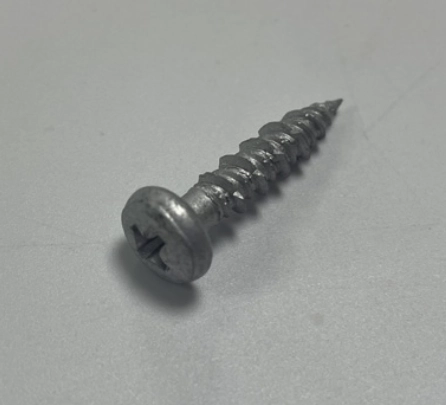
Para acessórios de montagem em superfície, Phillips Pan Head Concrete Screws Vale a pena conferir. A Qewit lista este produto no tamanho M5,5×25, com opções de aço carbono e aço inoxidável e acabamento em cinza Ruspert. O design de cabeça panela é adequado quando a cabeça pode permanecer visível na superfície, como em clipes, suportes pequenos, acessórios leves e ferragens de superfície.
Para uma superfície com acabamento mais limpo, Phillips csk head concrete Screws Pode ser mais adequado. A Qewit lista este produto nos tamanhos M5,5×60 e M5,5×75, com cabeça escareada, rosca alta/baixa, em aço carbono ou aço inoxidável, e embalagem a granel ou em caixa pequena. A descrição do produto indica o uso em concreto, tijolo maciço e tijolo de areia e cal, com instalação sem expansão.
Para fixações simples de superfície, onde a cabeça do parafuso pode permanecer visível, a opção de cabeça panela é mais fácil de combinar com clipes e ferragens pequenas. Para uma superfície nivelada, a opção de cabeça escareada é mais adequada. Se o ponto de fixação suportar carga suspensa, vibração repetida ou tensão e cisalhamento combinados, os compradores devem solicitar dados de carga e orientações de instalação antes de confirmar o pedido.
O que os compradores devem confirmar antes de fazer o pedido?
Antes de fazer um pedido em grande quantidade, os compradores devem preparar os detalhes do projeto. Isso inclui o material base, o tipo de fixação, a carga esperada, a posição de instalação, o tipo de cabeça, o comprimento do parafuso, o acabamento, a preferência de embalagem e as necessidades de entrega. Se a aplicação for externa, em ambiente úmido ou exposta a riscos de corrosão, o material e o tratamento da superfície merecem atenção redobrada.
Carregar dados e detalhes do aplicativo
Os compradores devem verificar se os dados de carga disponíveis correspondem ao substrato e ao método de instalação. Um valor de carga de um material base não pode ser copiado diretamente para outro. Se o projeto utilizar vários substratos, verificações separadas são mais seguras do que uma suposição geral.
Erros comuns de seleção que reduzem a capacidade de retenção
Algumas falhas decorrem da incompatibilidade do produto, e não da má qualidade dos parafusos. Erros comuns incluem escolher um parafuso apenas pelo diâmetro, usar o mesmo comprimento para diferentes substratos, ignorar alvenaria oca ou frágil, perfurar furos superdimensionados, colocar parafusos muito perto das bordas e selecionar uma cabeça visível onde um acabamento nivelado é necessário. Para compradores que trabalham com diversos tipos de projetos, é mais seguro separar a fixação em superfície, a fixação nivelada, a fixação em alvenaria e a fixação em concreto em diferentes linhas de pedido.
Planejamento de embalagens e suprimentos
Distribuidores e compradores de projetos também devem confirmar a embalagem. Embalagens pequenas em caixas podem facilitar a distribuição no varejo ou no local da obra. Embalagens a granel podem ser adequadas para grandes projetos. Se um projeto exigir vários comprimentos ou estilos de cabeçote, é melhor confirmar a composição completa do pedido antes da produção ou do envio.
Suporte e contato do projeto
Se um projeto apresentar condições de substrato pouco claras, direções de carga mistas ou vários pontos de fixação, os compradores devem preparar desenhos, detalhes do material base, direção de carga esperada, preferência de estilo de cabeçote e necessidades de embalagem antes de entrar em contato com o fornecedor. Esses detalhes ajudam a reduzir a seleção incorreta e a necessidade de confirmações repetidas. (Qewit’s) contato Esta página pode ser usada para seleção de produtos, detalhes técnicos, discussão sobre embalagens e necessidades de fornecimento para projetos específicos.
FAQ
P: Como calculo a carga segura para parafusos de concreto?
A: Comece pelo material base e, em seguida, verifique a profundidade de ancoragem, a direção da carga, a distância da borda, a qualidade do furo e os dados de carga do fornecedor. Não utilize a carga de ruptura como carga de trabalho. Aplique o fator de segurança necessário para o projeto antes de confirmar o tipo de parafuso.
P: Parafusos de cabeça panela ou parafusos de cabeça escareada são melhores para fixação em concreto?
A: Parafusos de cabeça panela são melhores quando a cabeça pode permanecer visível na superfície da peça. Parafusos de cabeça escareada são melhores quando a cabeça precisa ficar nivelada com a superfície. A escolha certa depende do design da peça, da aparência da superfície, do comprimento do parafuso e da profundidade de instalação.
P: O mesmo parafuso pode ser usado em concreto, tijolo e alvenaria?
R: Nem sempre. Esses materiais têm densidade, dureza e comportamento de fixação diferentes. Um parafuso adequado para um material base pode exigir um comprimento, tipo de cabeça ou método de instalação diferente em outro material.


