

caTEGORIES
Tags
The Critical Role of Threaded Rods and Studs in Modern Infrastructure and Bridge Building
Posted: May 28, 2026
Categories: News
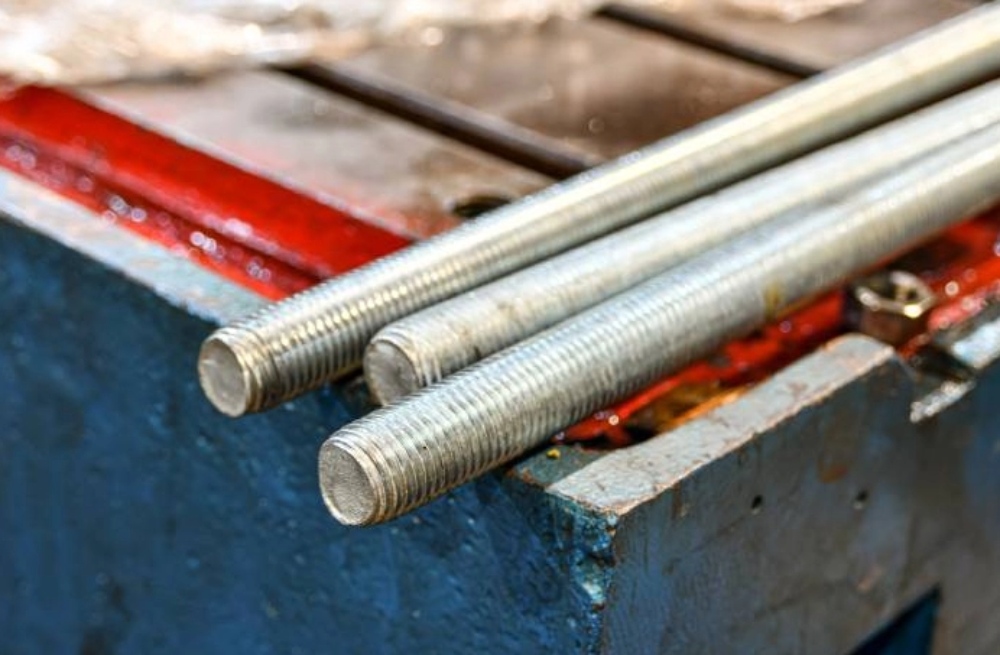
In heavy building work, the firmness of a bridge or tall structure often depends on parts that stay hidden after the job ends. Threaded rods and studs serve as key pull parts that link large metal and cement sections. When fixing a bridge base to its base or setting up high utility holds, picking the proper tie method becomes a question of lasting build safety. Field experts require a teammate that blends know-how with a steady flow of goods. Here, Qewit, a full British-owned firm started in 2004, fills the space between West build rules and East make savings. With more than 30,000 item types and a firm ISO 9001 quality check flow, they make sure each tie piece, from basic pins to special ones, hits top world marks for tracking and work.
Why Is Material Integrity Vital in Bridge Construction?
Planning or raising a bridge means battling steady weather strain, shakes, and huge fixed weights. A single tie fails from rust or weak pull power, and the whole stretch loses its soundness. This puts choice of stuffs and covers as the top call in buy steps.
Reliability of Stainless Steel Threaded Rods for Bridge Construction
Builds open to sea air or damp spots need stuffs that fight off decay. Using stainless steel threaded rods for bridge construction keeps the setup firm without danger of rust swell that splits cement. For a flexible, solid fix in steady pull jobs, the Thread Bar DIN 975 stands out as a main pick. Such bars give even screw lines over full run, so cuts match job needs while keeping base metal guard traits.
Load-Bearing Capacity of Heavy Duty B7 Stud Bolts for Infrastructure
Strong-push spots and tough build joins call for better than plain metal. Heavy duty B7 stud bolts for infrastructure come from chrome-moly mix metal, warmed to hit strong pull limits. Such pins see use in rim links and hold setups where break means big trouble. Since build jobs face heat changes, these B7 parts bring the warm steadiness to stop slack over years.
Application Standards for Industrial Grade Fully Threaded Rods
Steady screw space and width matter for easy setup. Industrial grade fully threaded rods let full link with caps at each side, spreading clamp push to the max. To aid in weighing common stuffs for these big-risk uses, look at this tech info:
| Material Grade | Tensile Strength (min MPa) | Yield Strength (min MPa) | Typical Application |
|---|---|---|---|
| Carbon Steel 4.8 | 420 | 340 | General low-load fixing |
| Carbon Steel 8.8 | 800 | 640 | Structural steel framing |
| Alloy Steel B7 | 860 | 720 | High-pressure piping & bridges |
| Stainless Steel A2-70 | 700 | 450 | Coastal & chemical environments |
Core Applications of Threaded Rods and Studs in Civil Projects
Past the chief build frame, these parts reach all areas of a civil work site. They appear in air system hangs, quake holds, and even modular bridge floor builds.
High Tensile Strength Double End Studs for Precision Fastening
Jobs linking two parts, with one pre-screwed hole, demand a focused fix. High tensile strength double end studs give a safe match by letting one side stay fixed while the other takes a cap. In big machine bases or bridge fence ties, the High Tensile Studs DIN 939 handle major side-push and pull forces. The build puts the non-screw “neck” right at the side-push level, boosting joint power overall.
Custom Length Zinc Plated Threaded Rods for Specialized Support
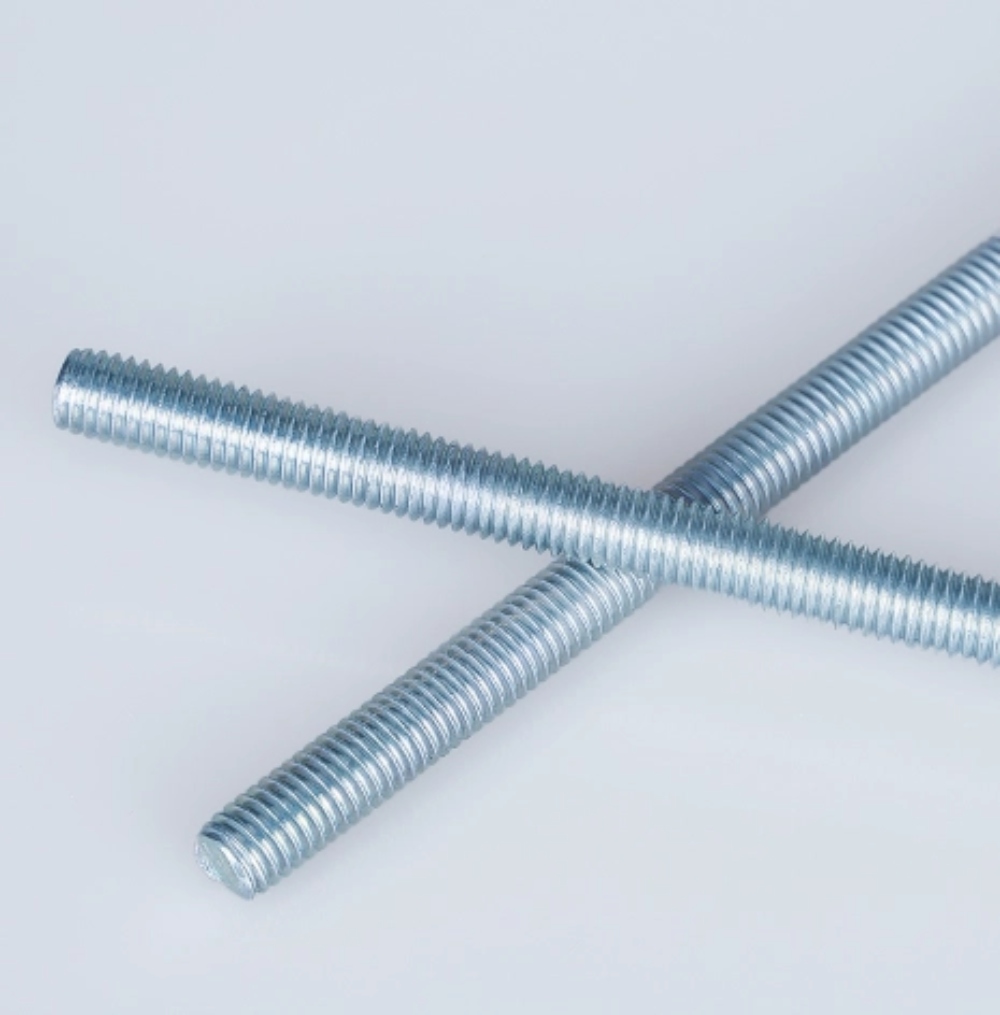
Not all hold needs fit ready sizes. Bridge water flow or power tray setups often face cases where stock cuts waste time. Custom length zinc plated threaded rods bring a cheap path to the right match with simple rust shield. Picking the Threaded Studding DIN 976-1 opens a line to an item cut to usual runs but open to more tailor and end with covers like Hot-Dip Galvanizing or Zinc Flake for set salt-blast needs.
| Finish Type | Salt Spray Resistance (Hours) | Best Use Case |
|---|---|---|
| Electro-Zinc Plated | 48 – 72 | Indoor/Dry environments |
| Zinc Flake (Geomet) | 500 – 1000+ | Automotive & High-corrosion |
| Hot-Dip Galvanized | 1000+ | Outdoor/Infrastructure |
How Is Quality and Compliance Ensured?
In B2B buys, the top worry stays the “secret price” of bad work, like late sends or failed looks. Fixing these issues needs a noted path of top work.
Professional Quality Assurance with ISO 9001 Certification
Guard starts with checking the start point. Each plant in the goods flow gets a visit and check with a tight QC plan and test setup ready. This makes the threaded rods and studs you get steady in metal mix and screw exactness.
Comprehensive Documentation through ISIR and PPAP Reports
For key builds, “belief” gives way to “proof”. Request deep certs like Initial Sample Inspection Reports (ISIR) or Production Part Approval Process (PPAP) to Level 3. Such clear view lets build teams check that ties hit exact plan marks before setup.
Strategic Supply Chain and Customer Support
Running a big job means facing many move hurdles. Grouping buys into one spot boosts flow and cuts costs a lot. If a one-week send for quick items or made-to-order parts fits, a strong buy service keeps the job on time.
Contact Us
Build jobs call for ties that fit build care. We offer 3.1 certifications to DIN-EN-10204, detailed salt-spray test reports, and bespoke technical design suggestions, so each link spot meets world safety rules. Please contact our build group with job facts, like weather rust levels or set turn needs. We stand ready to make a pro setup aid and tech note fit for the spot.
FAQ
Q: What is the main difference between a threaded rod and a stud?
A: A threaded rod usually forms a long, full screw line (like DIN 975) that cuts to size. A stud tends to be a brief, pre-cut tie for set uses, like double-end studs (DIN 939) or rim studs, which might hold unscrewed parts. Both count as vital forms of threaded rods and studs.
Q: Can these fasteners be used in high-vibration bridge environments?
A: Yes, if the right lock way applies. For bridge work, pairing strong-pull studs with nylon in cap locks or full-metal cap locks works best to block slack from road shakes.
Q: How do I choose the right coating for an outdoor infrastructure project?
A: For usual outdoor builds, Hot-Dip Galvanized (HDG) sets the norm thanks to its thick guard coat. Yet for strong ties (Grade 10.9+), Zinc Flake covers like Geomet suit better to skip hydrogen weak risk.


