

caTEGORIES
Tags
Best Practices for Metal Thread Repair With Threaded Inserts
Posted: December 26, 2025
Categories: News
Thread damage often shows up in metal parts, particularly in machines that go through frequent assembly, constant shaking, or tough loads. When threads get stripped or worn out, swapping out the entire part can be expensive and usually isn’t needed. That’s where threaded inserts come in as a smart way to fix things. If you pick and install them right, they bring back the full strength to the threads and help the part last much longer without altering the original setup.
For folks in industry, getting the repair done well counts just as much as doing it quickly. Qewit, a well-established fastener supplier known for strict quality checks and various material choices, provides self-tapping inserts that truly meet the demands of actual production rather than just temporary patches. Grasping these best practices can prevent problems from coming back and ensure that the fixed threads perform reliably over time.
What Are The Common Causes Of Thread Damage?
Thread damage doesn’t typically occur out of nowhere. More often, it develops gradually because of daily operating conditions, how people handle the parts, or the limitations of the materials involved. Figuring out the main reason behind it allows you to choose a better repair approach and avoid making the same errors again.
Wear And Corrosion In Metal Threads
Metal threads that face moisture, harsh chemicals, or outdoor elements frequently deal with corrosion issues. Rust along with pitting on the surface cuts down the contact between mating threads, which makes them much simpler to strip later on. You see this a lot in construction equipment, boat hardware, and machines left outside, especially when carbon steel threads lack proper protection.
As time passes, even minor corrosion can alter how torque feels during tightening. Bolts might seem secure but actually hold weakly, and this can result in unexpected breakdowns.
Over-Tightening And Cross-Threading Issues
Over-tightening continues to be among the top reasons for thread problems. Using power tools without proper torque settings can quickly go beyond what softer metals like aluminum or mild steel can handle. Cross-threading happens when parts aren’t aligned correctly during assembly, and this leads to uneven pressure that harms the initial thread turns – the ones that carry most of the load.
After such damage occurs, simply re-tapping the hole generally fails to provide a lasting solution.
Fatigue And Material Defects
Constant vibration or repeated loading slowly wears down threads, especially in vehicles, engines, and other moving equipment. Short engagement lengths or using fasteners that don’t match in strength also play a role. In situations like these, any repaired threads need to withstand ongoing stresses, not merely look good right after the fix.
Why Choose Self-Tapping Inserts For Thread Repair?
Not every type of insert performs identically. Self-tapping inserts really shine since they create their own threads by cutting into the base material, forming a strong mechanical bond without needing any glue.
Enhanced Load-Bearing Strength
Self-tapping inserts spread out the forces across a wider area than the original damaged threads did. As a result, they work great for components that get tightened and loosened often, such as access panels, mounting brackets, and removable covers.
Improved Wear Resistance
After they’re in place, the inside threads of the insert hold up much better against wear compared to the parent metal. This proves particularly helpful in aluminum casings or cast parts that tend to fail quickly otherwise after just a few cycles.
Reliable And Repeatable Fastening
Since the insert delivers a consistent internal thread, torque readings become more dependable. Consequently, workers on the assembly line can move faster, and there’s less inconsistency from one unit to the next.
How Do Hardened Steel Self-Tapping Inserts Improve Repair Outcomes?
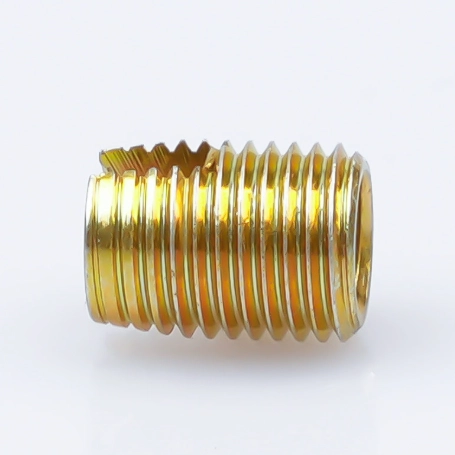
In tough applications, the material of the insert makes a huge difference. Hardened steel self-tapping inserts from Qewit focus primarily on durability while still allowing easy and controlled installation.
High Strength For Demanding Applications
Hardened steel inserts manage heavy clamping forces and numerous service cycles without issue. People commonly rely on them in factory machinery, large equipment, and steel frameworks where any breakdown could cause serious problems.
Qewit’s hardened steel self-tapping inserts get made with precise hardness levels and exact dimensions, which lets them cut cleanly into the base material without causing tears or cracks.
Resistance To Deformation Under Load
When torque gets high, softer inserts might bend or warp, resulting in loose connections. Hardened steel keeps its form intact, preserving the thread shape through many assemblies and disassemblies.
Long-Term Durability In Metal Repair
If installed properly, these inserts frequently last longer than the factory threads ever did. Paired with Qewit’s careful material tracking and thorough checks, they deliver a repair that holds up well for extended periods between services.
When Should You Use Hexagon Drive Self-Tapping Inserts For Wood?
While the primary topic here is metal repairs, many setups include mixed materials. Wood parts can also experience thread wear, particularly in furniture pieces and load-bearing joints.
Wood Thread Reinforcement Scenarios
Materials like softwood, plywood, or composite boards quickly lose grip when screws get taken out and put back in multiple times. Inserts bring back the necessary holding power without requiring larger screws.
Hexagon Drive Provides Better Installation Control
This hexagon drive style transfers torque evenly and steadily, which minimizes the chance of the tool slipping. That aspect becomes important in wood, where sudden jerks could cause splitting or reduce overall strength.
Prevents Stripping In Soft Substrates
With the insert secured, it offers a robust internal thread that stands up to pulling forces and twisting. Qewit’s hexagon drive inserts are built for firm seating and straightforward positioning.
What Are The Benefits Of Stainless Steel Self-Tapping Inserts?
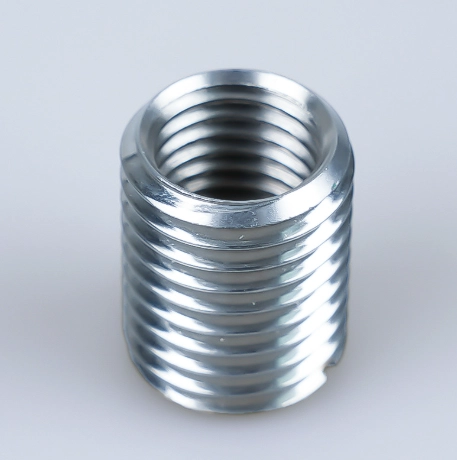
In environments prone to corrosion, picking the right material often outweighs the thread style itself. Stainless steel inserts tackle this problem head-on.
Corrosion Resistance In Harsh Environments
Stainless steel fights off rust effectively in damp, salty, or chemical-heavy settings. This makes it ideal for food processing gear, exterior buildings, and boating applications.
Long Service Life With Minimal Maintenance
Different from coated carbon steel, stainless steel doesn’t depend on a plating that can wear off. Even if it gets scratched while being installed, its resistance to corrosion stays strong.
Suitable For Stainless And Dissimilar Materials
Pairing stainless inserts with aluminum or stainless bases can prevent galvanic reactions when grades match up properly. Qewit supplies various stainless steel options to fit specific real-world requirements.
How To Select The Right Threaded Insert For Your Repair Project?
Picking an unsuitable insert frequently causes quick failures down the line. The decision needs to go beyond just matching thread sizes.
Match Insert Material To Base Metal
Harder inserts perform well in softer bases, but you should steer clear of combinations that might crack easily. Stainless or hardened steel inserts typically pair nicely with aluminum and mild steel fixes.
Consider Load And Service Conditions
Factors like whether the load is steady or fluctuating, exposure to vibration, heat levels, and environmental elements all influence results. Qewit’s broad selection of materials lets you align inserts with true operating demands, not only blueprint specs.
Assess Installation Tools And Access Requirements
Tight spaces or hand-only setups might call for specific drive types. Thinking this through early helps prevent insert damage during the fitting process.
What Are Best Practices For Installing Threaded Inserts?
Quality inserts can still underperform if the installation isn’t done carefully. Following a handful of straightforward guidelines can greatly improve outcomes.
Proper Hole Preparation And Cleaning
Start by drilling to the exact recommended size and then clear away all debris, chips, and any oils. Contaminated holes compromise how well the insert cuts and grips.
Use Of Correct Pilot Drill Size
Holes that are too large diminish holding strength significantly. On the flip side, holes that are too small demand excessive force, which risks cracking the surrounding material.
Controlled Installation Speed And Torque
Taking it slow and applying even pressure allows the insert to form clean threads in the base. When using power drivers, proceed cautiously, especially with softer metals, to avoid overheating or stripping.
How Can You Ensure Long-Term Performance After Repair?
The repair process isn’t complete just because the insert is in. A few additional checks and habits help maintain reliability for years.
Inspection And Torque Verification
Right after installation, examine for proper alignment and test the torque. Catching small issues early prevents bigger headaches later on.
Use Thread Locking When Required
In areas with lots of vibration, applying a mild thread locker can help keep the preload steady without complicating future removals.
Scheduled Maintenance Checks
Building regular visual and functional inspections into your routine maintenance schedule works especially well for critical or safety-related components.
FAQ
Q1: Are self-tapping inserts suitable for repeated removal and reinstallation?
A: Yes. When installed correctly, the internal thread wears far less than the original material and manages multiple cycles effectively.
Q2: Can threaded inserts be used in thin metal sections?
A: They certainly can, provided the insert length suits the thickness available. Shorter versions are commonly selected for thinner walls.
Q3: Do stainless steel inserts require special installation tools?
A: No unique tools are necessary, though maintaining steady torque and using the right hole size helps prevent galling or seizing during the process.


