

KATEGORIEN
Wann Nein sagen: 5 Materialien, bei denen Gewindebildende Schrauben ausfallen können
Veröffentlicht: Februar 12, 2026
Kategorien: Neuigkeiten
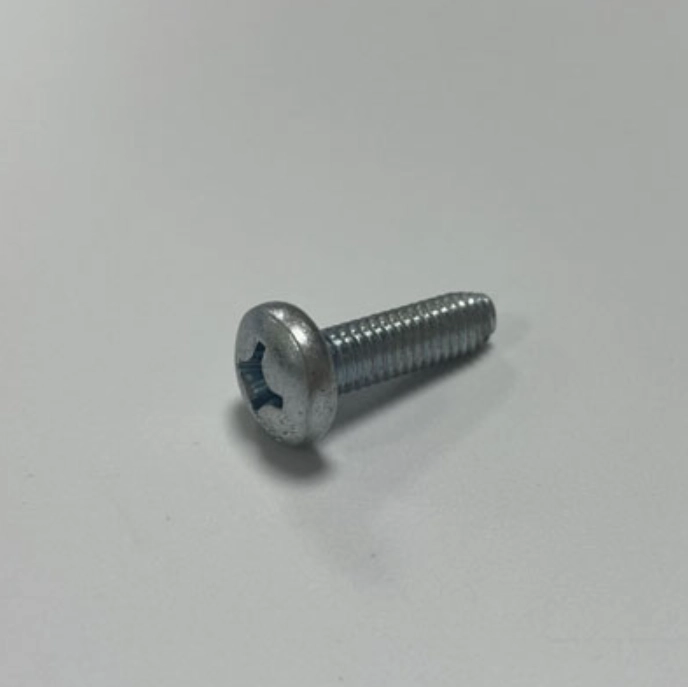
Die Wahl des richtigen Befestigungsmittels für jede Aufgabe beinhaltet oft eine Mischung aus sorgfältigem Engineering und praktischen Tests. Für zahlreiche Fachleute auf dem industriellen Gebiet, Trilobular Gewinde Formschrauben, wie die DIN 7500 CE oder ME Typen in der Qewit Lineup, erweisen sich als äußerst hilfreich. Diese Schrauben schneiden keine Gewinde; Stattdessen formen sie sie. Dadurch gibt es keine verstreuten Metallscheiben und die Verbindung wird viel sicherer, da das Metall seine Form behält und die Schraube fest greift. Diese Befestigungsmittel sind jedoch keine perfekten Lösungen. Wenn jemand versucht, sie in ein ungeeignetes Material einzusetzen, können Probleme wie gebrochene Köpfe, beschädigte Antriebe oder gebrochene Komponenten schnell auftreten.
Die Erkenntnis der Grenzen, in denen diese Befestigungsmittel möglicherweise nicht gut funktionieren, ist der Schlüssel zur Aufrechterhaltung eines effizienten Produktionsprozesses und zur Vermeidung frustrierender Verzögerungen. Es ist wichtig zu berücksichtigen, dass das Grundmaterial unter der Schraube genauso wichtig ist wie die Schraube selbst, und das Verständnis dieses hilft, Probleme in der Linie zu verhindern.
Warum ist die Materialauswahl für den Erfolg der Fadenbildung entscheidend?
Das Kernprinzip der Fadenbildung beruht auf plastischer Verformung. Einfach ausgedrückt beinhaltet der Prozess das Verschieben des Metalls zur Seite, um einen Gewindeweg zu schaffen. Diese Methode funktioniert gut, wenn das Metall flexibel genug ist, um sich anzupassen. Aber wenn das Material der Bewegung widersteht oder der Zähigkeit fehlt, wird es nicht richtig nachgeben; vielmehr wird es stark widerstehen oder unter Druck zerbrechen.
Physik der Materialverschiebung und Plastizität
Ein Trilobular DIN 7500 Die Schraube verfügt über eine etwas dreieckige Konstruktion, die den Widerstand beim Einsetzen minimiert. Um effektiv zu funktionieren, muss das umliegende Material biegbar sein, so dass es sich biegen oder umbilden kann, ohne zu brechen. Wenn die Schraube voranschreibt, drückt sie das Material entlang der natürlichen Linien des Teils, was letztlich das Gesamtgelenk stärkt. Wenn dem Material jedoch keine ausreichende Flexibilität zur Verschiebung fehlt, erhöht sich der Widerstand schnell und in der Regel scheitert die Schraube zuerst unter der Belastung ab.
Einschränkungen von Basismetallen mit hoher Härte
Befestigungsmittel unterliegen spezifischen Härtungsprozessen, oft durch kontrollierte Heizung. Wenn sich das Grundmetall dem Härteniveau der Schraube nähert, hat die Schraube Schwierigkeiten, sie zu durchdringen. Zum Beispiel sind Qewits Standardbefestigungsmittel langlebig, aber der Versuch, einen DIN 7500 CE Pankopf in gehärteten Stahl einzusetzen, führt zu einem schnellen Abnutzen der trilobulären Spitzen. Dies führt zu einem Drehmoment-Out, bei dem sich das Werkzeug endlos dreht, während die Schraube festhält und schließlich ausbricht.
Risiken von Materialmüdigkeit und Stressriss
Materialien, die leicht brechenanfällig sind, stellen erhebliche Herausforderungen für die Fadenbildung dar. Da diese Schrauben in verschiedenen Richtungen erhebliche Außenkraft anwenden, können sie sich wie ein Spaltkeil verhalten. Bei Stoffen, die einer solchen inneren Spannung nicht standhalten können, kann sich das Teil sofort sauber teilen, oder es könnte zunächst stabil erscheinen, um später, vielleicht während der Lagerung für Wochen, Risse zu entwickeln.
Welche fünf Materialien stellen das höchste Ausfallrisiko dar?
Während theoretische Kenntnisse wertvoll sind, ist die Identifizierung der bestimmten Materialien, die in realen Umgebungen zu vermeiden sind, das, was einen reibungslosen Betrieb gewährleistet. Auf der Grundlage der weit verbreiteten Branchenerfahrungen und der inhärenten Einschränkungen typischer Stahlbefestigungsmittel hebt die folgende Liste die fünf häufigsten Materialien hervor, die zu Problemen mit der Gewindebildung führen.
Sprödiges Gusseisen und kohlenstoffreiche Stähle
Gusseisen ist für seine Stärke bekannt, bleibt aber sehr zerbrechlich. Es fehlt die nötige Elastizität für eine DIN 7500 Schraube, um Gewinde effektiv zu formen. Anstatt sich das Metall um die Schraube anzupassen, neigt es dazu, in feine Partikel zu brechen. Ebenso stellen kohlenstoffheitige Stähle, die Grad 10,9 oder höher erreichen, vergleichbare Schwierigkeiten dar, da ihre Steifigkeit Einsetzkräfte erfordert, die die Schraube übersteigen. Eigener Bruchpunkt.
Stark verstärkte thermofeste Kunststoffe
Kunststoffe funktionieren in der Regel gut mit Fadenbildung, aber thermohärtige Sorten unterscheiden sich deutlich von alltäglichen Thermoplasten. Wenn ein Kunststoff erhebliche Glasverstärkung enthält, mit zahlreichen feinen Glasfasern für zusätzliche Haltbarkeit hinzugefügt, wird er sehr abrasiv. Beim Einsetzen einer Trilobularschraube funktionieren diese Fasern wie grober Korn und verschleißen die Schraube; s Fäden gut bevor es das Loch erreicht’ s Tiefe.
Nicht ductile Druckgusslegierungen
Man könnte davon ausgehen, dass alle Aluminiumvarianten weich genug für die Gewindebildung sind, aber bestimmte Drucklegierungen haben ungleichmäßige innere Zusammensetzungen, die sie unzuverlässig machen. Wenn die Legierung eine erhebliche Porosität aufweist, die viele kleine Hohlräume im Inneren aufweist, vergrößert die Formwirkung diese Räume einfach. Anstatt einen festen, zuverlässigen Faden zu erzeugen, ergibt sich daher ein unregelmäßiger Hohlraum, der Schädlingsschäden ähnelt, der minimalen Widerstand gegenüber dem Ausziehen bietet.
Kaltbearbeitete Edelstahl
Edelstahl kann in seinem Verhalten irreführend sein. Obwohl Qewit zuverlässige A2- und A4-Befestigungsmittel aus Edelstahl liefert, sind die Eigenschaften des Zielmaterials entscheidend. Wenn der GrundEdelstahl kalt bearbeitet wurde, z.B. durch Pressen oder Walzen bei niedrigen Temperaturen, härtet er erheblich über seinen ursprünglichen Zustand hinaus. Das Einsetzen eines Gewindebilders in diesem Szenario verursacht häufig Galling, bei dem die Schraube und die Lochsicherung mitten im Prozess zusammenschmelzen.
Keramik und hochkristalline Materialien
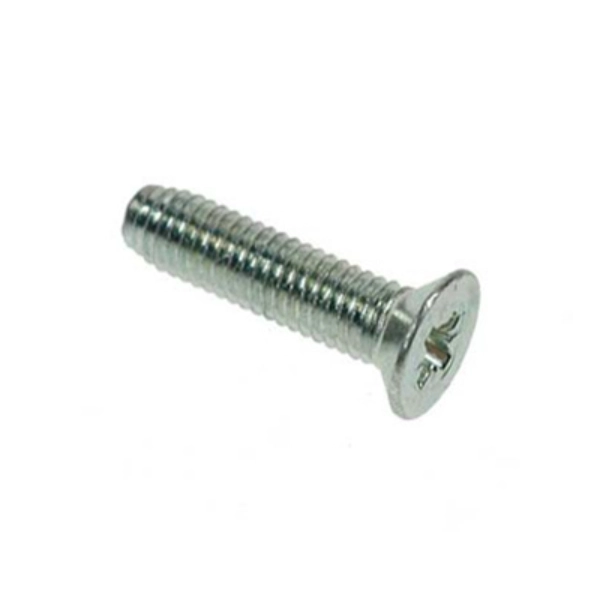
Diese Kategorie mag einfach erscheinen, tritt aber überraschend häufig in fortgeschrittenen industriellen Anwendungen auf. Substanzen mit kristallinem Make-up, wie bestimmte Hightech-Keramiken oder starre Verbundstoffe, widerstehen Verformungen vollständig. Unter der Kraft eines DIN 7500 ME Gegensenkkopf schrauben, brechen sie sofort. Hierfür sind fast immer vorgewindete Löcher oder kundenspezifische Einsätze notwendig.
Wie können Sie eine optimale Befestigungsleistung gewährleisten?
Um diese häufigen Probleme zu vermeiden, ist die Vorbereitung vor Beginn einer Montage von entscheidender Bedeutung. Qewits “ Westlicher Stil” Geschäftsansatz betont technische Zuverlässigkeit, um sicherzustellen, dass die “ Fernöstlicher Wert” liefert konsistente Ergebnisse im tatsächlichen Einsatz.
Überprüfung der Substrathärte und Ductilität
Es ist wichtig, die Härte und Flexibilität Ihrer Komponenten im Voraus zu beurteilen. Für einen typischen Stahl DIN 7500 CE sollte das Grundmaterial in der Härte unter HV 350 bleiben. Überschreiten dieses Niveaus erhöht die Wahrscheinlichkeit einer Wasserstoffverzweichung, bei der das Metall unter Belastung schwächt und versagt. Ausrichten Sie daher immer die Schraube’ s Härtungsprozess mit den spezifischen Anforderungen der Anwendung.
Präzise Pilotlochdurchmesseroptimierung
Das Startloch’ Größe ist ein kritischer Erfolgsfaktor. Ist das Pilotloch etwas zu schmal, auch um eine kleine Menge, steigt die erforderliche Drehkraft stark an, was Werkzeuge und Schrauben gleichermaßen beschädigt. Andererseits, wenn es zu breit ist, greift die Schraube nicht genügend Gewinde an, was zu einer einfachen Entfernung führt. Die Erreichung der idealen Dimension beinhaltet in der Regel einige auf das betreffende Material zugeschnittene Experimente.
Einsatz von Qewit technischem Support und Tests
Vermeiden Sie, sich allein auf Annahmen zu verlassen. Qewit verfügt über umfassende Prüfressourcen, einschließlich Zugfestigkeitsprüfer und Vickers-Härteausrüstung. Ist es unsicher, ob eine DIN 7500-Schraube für eine bestimmte neue Legierung geeignet ist, bitten Sie um eine Bewertung. Sie können 3.1-Zertifizierungen oder Initial Sample Inspection Reports (ISIR) liefern, die einen Nachweis der Leistung vor Großaufträgen bieten.
FAQ (häufig gestellte Fragen)
Q1: Kann ich Gewindeformschrauben in vorgebohrten Löchern aus Hartholz verwenden?
A: Im Prinzip passt die Fadenbildung am besten zu Metallen und Kunststoffen. Für Holzanwendungen ist eine Holzschraube mit scharfen, tiefen Gewinden und einer Schneidspitze viel geeigneter. Holz’ Die geringere Dichte bedeutet, dass der Versuch, Fäden zu bilden, die Fasern beschädigen kann, anstatt einen festen Halt zu schaffen.
Q2: Was ist der Hauptunterschied zwischen DIN 7500 CE und ME?
A: Der Unterschied liegt im Kopfdesign. Die CE verfügt über einen Pankopf, der auf der Oberfläche liegt und einen breiten Kontakt für Stabilität bietet. Im Gegensatz dazu hat der ME einen Countersunk (Flat) Kopf, der für ein sauberes Aussehen ausgerichtet ist. Beide teilen den trilobulären Schaftmechanismus.
Q3: Werden Gewindeformschrauben die Beschichtung meiner Teile beschädigen?
A: Da diese Schrauben Material verdrängen, ohne zu schneiden, neigen sie dazu, freundlicher zu Oberflächenverbindungen als Schneidtypen zu sein. Das heißt, die betroffene Reibung kann leichte Oberflächenmarken verursachen. Um Korrosion zu verhindern, bietet Qewit Optionen wie Zink Plating, Geomet oder Zink Flake Beschichtungen für zusätzlichen Schutz.


