

caTEGORIES
Tags
Top 5 Tools for Efficient Washer Installation: Tips and Tricks
Posted: March 19, 2026
Categories: News
Fasteners are the silent heroes of any construction site. While people focus on the heavy machinery or the massive steel beams, it is the small stuff—like washers—that actually keeps everything from falling apart under pressure. If you are working on a high-stakes project, you know that even a simple flat washer needs to be installed correctly to prevent surface damage or structural loosening down the line.
Getting the job done right starts with understanding why these components are there in the first place and having the right gear in your toolbox to handle them. For companies like Qewit, providing these parts is about more than just shipping metal; it is about “delighting the customer” with a “worry-free” service that moves products from production to your racks seamlessly. This guide dives into the essentials of washer installation and the tools that make the process smooth.
Why Is Selecting the Right Washer Critical for Your Project?
Choosing a washer is not just about grabbing the first round piece of metal you see in the bin. The physics behind it is actually pretty straightforward but vital: it’s all about surface area. When you tighten a bolt, you’re putting a lot of localized stress on the material underneath. Without a washer, that bolt head or nut can sink into the wood or gall the metal, leading to a weak joint. Qewit provides a massive range of options, from standard carbon steel to brass and stainless steel, to make sure you have the right match for your specific material.
Load Distribution and Surface Protection
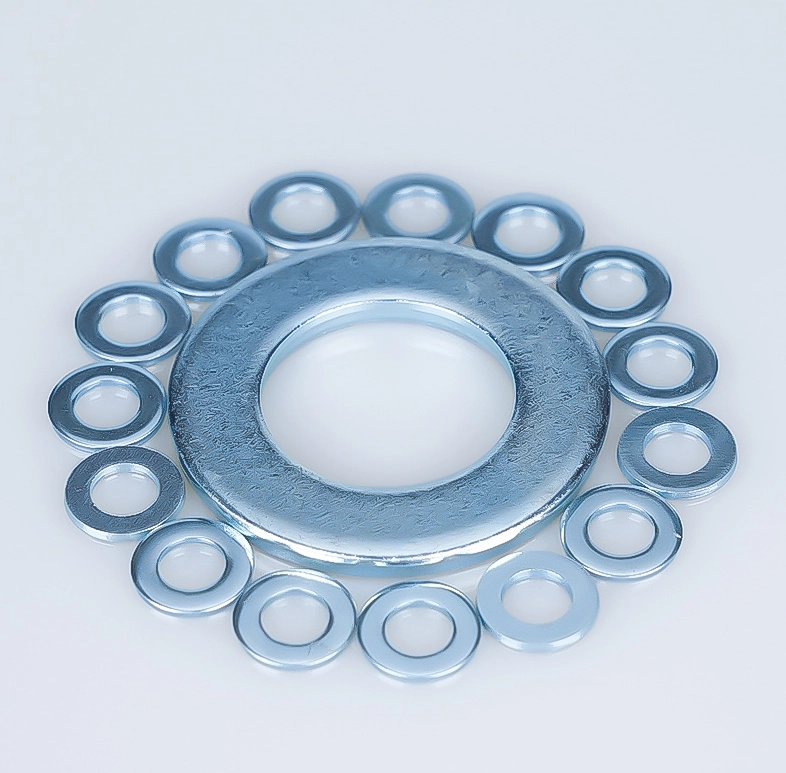
A primary job of any flat washer is to spread out the clamping force of the fastener. By increasing the contact area, these thin components protect your parts from getting crushed or deformed during the tightening process. This is particularly important when you are working with softer materials or equipment where surface integrity is a big deal for the final look and function.
Prevention of Loosening and Leakage
Nothing is more frustrating than a bolt that rattles loose after a few weeks of use. High-quality washers help reduce friction during the initial install and act as a buffer that keeps the tension steady. In some setups, they even help prevent leakage or provide a level of isolation between different types of metals to stop chemical reactions from ruining the joint.
Material Compatibility and Corrosion Resistance
Environment matters more than most people think. If you are installing fasteners in a water treatment plant or a mine, a standard zinc-plated washer might not cut it for long. Qewit offers finishes like hot-dipped galvanized (HDG), zinc flake, and Geomet to make sure your washers can stand up to salt spray and harsh weather without rusting away.
What Are the Best Tools for Fastening Washers Efficiently?
Once you have picked the right part, the next step is the actual physical labor. You can have the best washers in the world, but if you are using a wrench that doesn’t fit or a power tool that’s too aggressive, you’re going to run into trouble. Efficiency on a job site comes down to having tools that feel like an extension of your hand. Qewit’s infrastructure is built to support this kind of professional requirement, offering everything from bespoke products to technical knowledge for their clients.
Professional Sockets and Spanners
The most basic tool is often the most important. A high-quality hexagon drive that perfectly matches your sockets and spanners is the best way to avoid rounding off bolt heads or slipping mid-turn. When the fit is snug, you can apply the necessary torque without worrying about the tool jumping and scratching the washer or the surrounding surface.
Power Impact Wrenches for High-Tensile Components
When you are dealing with heavy-duty structural bolting, manual labor just isn’t fast enough. Power impact wrenches are the go-to for many professionals, especially when installing high-tensile steel components that need to be clamped down hard. These tools allow you to zip through dozens of installations in the time it would take to do one by hand, though you have to be careful not to overdo it.
Torque Control Tools for Precision
For those critical joints where “tight enough” isn’t good enough, torque wrenches are a must. These tools let you set a specific limit so you know exactly when the washer has reached its ideal compression point. This is especially useful for high-strength fasteners where the tension needs to be precise to meet safety standards and international regulations.
Which Qewit Washers Offer the Most Reliable Performance?
Different jobs call for different specs. You wouldn’t use a tiny precision washer on a bridge, and you wouldn’t use a massive structural washer on a kitchen cabinet. Qewit carries over 30,000 product lines, which means they usually have exactly what you need in stock and ready to ship. Whether you need something for general construction or a specialized industrial application, knowing the differences between standard types like DIN and EN models can save you a lot of headache.
Flat Round Washers DIN 125A for General Use
The DIN 125A is basically the bread and butter of the fastener world. These washers are available in a huge range of sizes, from M2.5 up to M100, and come in materials like carbon steel, stainless steel, and brass. They are designed to be “value for money” while still meeting the hard requirements for standard hardness levels like 140HV or 200HV.
Structural Flat Washers EN 14399-6 for Heavy Duty
When the project involves structural steel, you usually move toward the EN 14399-6 series. These are beefier and meant to work alongside high-strength bolts in environments where the load is constant and heavy. They go through professional quality control and come with test certificates to prove they can handle the heat.
Flat Round Washers DIN 433 for Small Heads
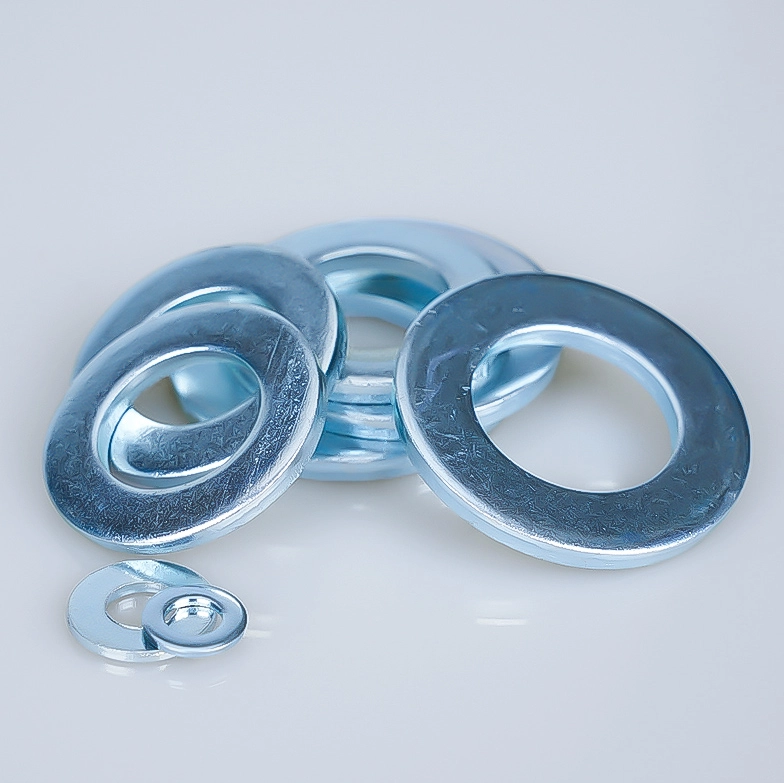
Sometimes you just don’t have a lot of room to work with. The DIN 433 series is designed for those tight spots, often paired with cheese head screws or applications where a standard washer’s outer diameter would be too wide. They still do the job of spreading the load, just in a more compact footprint.
How Can You Ensure Consistent Quality in Large-Scale Installations?
When you’re ordering thousands of units, “close enough” is a dangerous mindset. One bad batch of washers can stall an entire production line or lead to a safety failure. Quality assurance is where companies like Qewit really show their value, as they are ISO 9001 certified and audit every factory they work with to make sure the QC plans are actually being followed. It’s about building a supply chain you can trust so you don’t have to second-guess every box that arrives at your yard.
Utilization of ISO 9001 Certified Suppliers
Working with a certified supplier means there is a paper trail for everything. Qewit’s British-influenced management style puts a heavy focus on “Supply Chain Management” for industrial consumables, ensuring that the Far Eastern value doesn’t come at the cost of Western quality standards.
Implementation of Advanced Testing and Certification
For high-spec industries, a simple receipt isn’t enough. You often need 3.1 certification, Initial Sample Inspection Reports (ISIR), or even full PPAP level 3 documentation. Having these reports in hand means you rest easy knowing the parts have been through salt spray tests and tensile strength testers before they ever reached your site.
Optical and Roller Sorting Services
If your assembly process uses automated machines, even a tiny bit of scrap metal in the box can jam the whole system. Qewit offers optical and roller sorting services upon request to weed out any “non-standard” bits. This extra step ensures that every single washer in the bin is identical and ready for the machine to grab.
How Does Qewit Support Your Installation Workflow?
At the end of the day, a fastener supplier should make your life easier, not more complicated. This means offering more than just a catalog of parts. It means providing the “Western Style” business experience where technical support and bespoke solutions are just a phone call away. Whether you need a special plating to hit a specific salt-spray requirement or you need a custom-made part from a drawing, the goal is to provide a “worry-free” service from the factory to your racks.
Bespoke and Non-Standard Product Manufacturing
Standard parts are great, but sometimes your design needs something unique. Qewit can manufacture bespoke fastening products based on your specific drawings or samples, taking extra care with individual controls for these special orders.
Global Supply Chain and Consolidation Services
Shipping stuff from different places can be a logistical nightmare. Qewit offers a consolidation service where they collect all your diverse items into one hub before sending them out. This “free” service helps improve efficiency and saves a ton of money on communications and energy costs.
Expert Technical Support and Testing Facilities
If you ever have a doubt about a part’s performance, you shouldn’t have to guess. With on-site testing facilities like Vickers hardness testers and plating thickness testers, Qewit can quickly re-test a batch and even send over video proof so you can get back to work with confidence.
FAQ
Q1: Can I get custom-sized washers for my specific project?
A: Yes, Qewit specializes in bespoke non-standard products. If you provide a drawing or a sample, they can manufacture washers and other fasteners to your exact specifications, including specialized plating or patching options.
Q2: How long does it take to get a shipment once I place an order?
A: It depends on the item. Fast-running items like DIN 985 or DIN 934 can often ship within a week, while flat washers and high-tensile DIN 931/933 bolts typically take about two weeks after the order is placed.
Q3: What kind of quality certifications can Qewit provide?
A: All products follow ISO 9001 processes. Additionally, you can request 3.1 certification, Initial Sample Inspection Reports (ISIR), and Production Part Approval Process (PPAP) documentation up to level 3 to meet strict industrial standards.


