

caTEGORIES
Tags
Self-Tapping vs. Self-Drilling Screws: A Detailed Thread Design Comparison
Posted: January 16, 2026
Categories: News
Picking the right fastener might seem straightforward at first glance, yet the thread design actually influences outcomes far more than most projects anticipate. When deciding between self-tapping screws and self-drilling screws, grasping how their threads interact with actual materials can greatly impact how quickly assemblies come together, how strong the joints hold, and how dependable they remain over time.
For those in manufacturing, construction, or buying for original equipment makers, the distinction goes beyond simply whether to drill a hole beforehand. Rather, it concerns the way threads slice, shape, and grip under various stresses. This piece examines the build and operational contrasts between self-tapping and self-drilling screws, drawing on everyday examples from Qewit’s regular product offerings.
What Are The Key Differences Between Self-Tapping And Self-Drilling Screws?
Even though both kinds of screws generate their own matching threads, the methods they employ differ significantly. These variations begin right at the tip and extend along the entire thread shape.
Prior to evaluating their effectiveness in specific uses, it proves useful to examine closely the manner in which each screw is crafted to work with the underlying material.
Thread Geometry Variations In Self-Tapping Screws
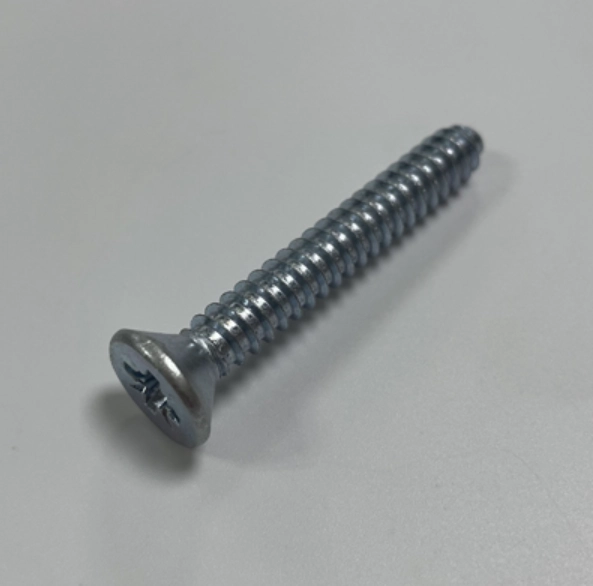
Self-tapping screws depend on a hole drilled in advance. Their threads are formed to either slice or mold threads into the nearby material as the screw moves forward. Typically, the thread shape features keen edges, steady patterns, and adjustments for measured material shifting instead of forceful slicing.
A solid illustration comes from the Pan Head Self Tapping Screws DIN 7981C offered by Qewit. These fasteners employ a well-balanced thread spacing that enables easy insertion into steel panels, aluminum sheets, and certain firm plastics. Moreover, the pan head style ensures uniform pressure spread, which minimizes surface harm while securing.
Since self-tapping screws avoid the need to bore through dense material, their thread structure emphasizes grip strength and reliable torque application over rapid entry.
Drill Point And Shank Design In Self-Drilling Screws
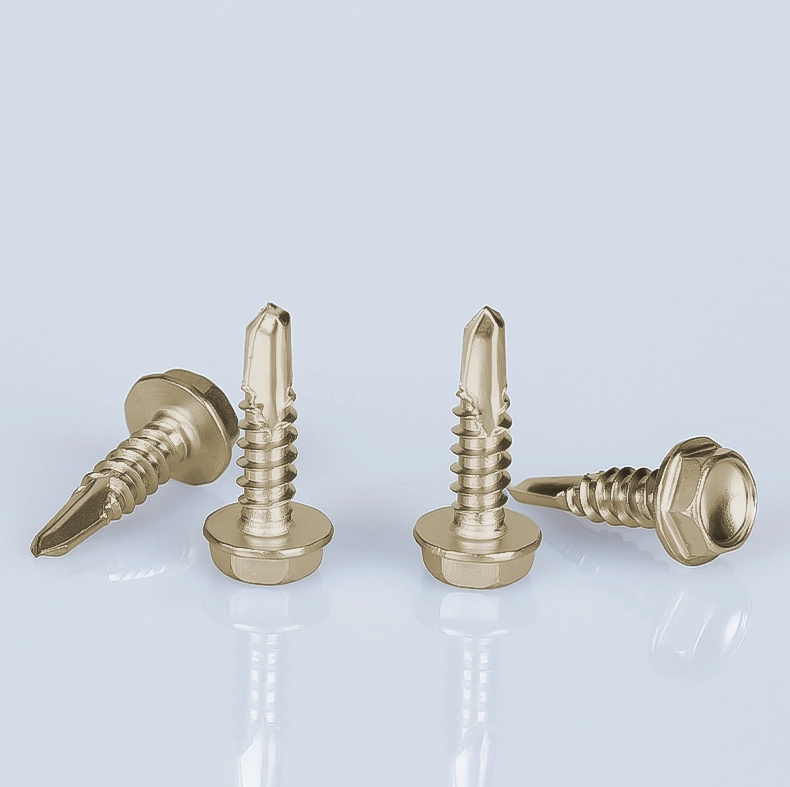
Self-drilling screws merge dual roles within a single piece. A toughened drill tip at the end bores into metal, and the threads that follow right away create the bond. Consequently, this demands a bolder tip configuration and a somewhat altered thread setup to manage both the drilling waste and the thread creation process.
Qewit’s Self Tapping Drilling Screws DIN 7982F serve as a common instance. The length of the drill point and its groove form are precisely made to pierce thin to moderate-thickness steel without slipping or generating excess heat. After the hole forms, the threads connect swiftly, which lowers the risk of improper threading.
In comparison to self-tapping screws, the body section of self-drilling screws receives finer adjustments to endure the boring stage without fracturing or curving.
Application-Driven Performance Differences
In practical settings, the main contrast emerges during the setup process. Self-tapping screws require precise starter holes, and if those dimensions are incorrect, the threads could tear out or fail to secure adequately. On the other hand, self-drilling screws eliminate that requirement, which cuts down on time but adds extra strain to the fastener during use.
As a result, self-tapping screws fit better in managed factory settings, whereas self-drilling screws excel in field work and rapid securing operations.
Why Does Thread Design Matter In Fastener Performance?
The thread design does more than just join components; it manages how forces move through the connection, how it copes with shaking, and how securely it stays fastened during ongoing use.
By comprehending these elements, one can see why selecting the appropriate screw type frequently averts breakdowns that surface long after installation.
Material Engagement And Load Distribution
The depth of the threads, their spacing, and the angle of the sides dictate the extent of material contact along the screw’s length. Self-tapping screws frequently deliver more even interaction since they shape threads slowly into a prepared hole, thereby distributing forces over several threads and lessening focused pressure.
By contrast, self-drilling screws face greater forces close to the end while installing. Once in place, the force spread evens out, but matching the material’s thickness remains essential. If the base metal proves too slim or too tough, the thread hold might prove insufficient.
Qewit tailors its thread patterns to align with typical building and production materials, assisting purchasers in steering clear of mismatches between the fastener and the base.
Chip Evacuation And Installation Efficiency
As installation proceeds, waste particles need swift removal to avoid jamming. Self-drilling screws use the grooves in the drill tip to eject material, while self-tapping screws displace or trim material outward toward the hole’s edge.
Inadequate handling of these particles commonly results in damaged threads or snapped screws. For this reason, the drill tip shape in items like Qewit’s self-drilling lineup receives strict oversight, particularly for joining metal to metal.
Within high-speed setup areas, better particle clearance leads directly to reduced equipment stops and steadier torque measurements.
Resistance To Pull-Out And Vibration Loosening
The form of the threads also influences a joint’s ability to withstand extraction forces and shaking. Narrower threads usually provide superior retention in slim materials, whereas broader threads function more effectively in yielding bases.
Self-tapping screws featuring managed thread slopes often handle repeated shaking well. Self-drilling screws, provided they suit the material thickness properly, deliver robust resistance, yet they rely more heavily on precise setup techniques.
How Do Specific Qewit Self-Tapping Screws Compare In Thread Features?
Examining particular items reveals how concepts apply to everyday results. Qewit’s lineup of self-tapping options adheres to established DIN norms, which eases procurement while maintaining steady performance.
Pan Head Self Tapping Screws DIN 7981C Thread Characteristics
These screws incorporate a balanced thread outline crafted for consistent slicing. The spacing aids in smooth rotation without abrupt torque surges, rendering them ideal for mechanized production setups.
Additionally, the pan head expands the contact surface on the material, which safeguards delicate sheets and covered surfaces. This pairing positions DIN 7981C screws as a frequent pick for electrical housings, heating and ventilation units, and lightweight industrial structures.
Self Tapping Drilling Screws DIN 7982F Combined Thread And Drill
DIN 7982F screws integrate boring and threading into a single action. The threads start near the drill tip, permitting instant connection after the hole appears.
Such a setup cuts down on wasted turns and shortens the overall setup duration. For those assembling sheet metal in volume, this frequently translates to simpler tools, fewer processes, and decreased labor expenses per piece.
Comparative Analysis Of Tapping Vs Drilling Thread Profiles
When viewed together, self-tapping threads appear more regular and somewhat milder in approach. Self-drilling threads endure elevated pressures upon initial entry. No type surpasses the other in every case; instead, the suitable option hinges on the material, its depth, and the surrounding work conditions.
In What Scenarios Should You Choose Self-Drilling Screws Over Self-Tapping?
Recognizing the situations where self-drilling screws outperform aids in preventing excess design effort or added expenses. Although self-tapping screws hold widespread appeal, self-drilling screws provide distinct benefits in particular contexts.
Thin Gauge Steel And Metal-to-Metal Fastening Requirements
Within lightweight steel frameworks and metal panel arrangements, self-drilling screws do away with starter holes completely. This accelerates the process and minimizes positioning mistakes, particularly in elevated or challenging spots.
Reduced Pre-Drill Steps For High-Volume Production
Whenever pace in manufacturing counts heavily, removing boring steps can markedly boost output rates. Self-drilling screws streamline operations and limit shifts in equipment on the production floor. This proves especially handy in pre-assembled building and machinery setup, where consistency outweighs adaptability.
Enhanced Structural Integrity In Multi-Sheet Assemblies
Regarding layered metal sheets, self-drilling screws assist in preserving proper lineup while boring through the stack. The drill tip prevents layers from moving, thereby enhancing the quality of the completed joint.
Which Qewit Self-Drilling Screw Types Offer Optimal Thread And Drill Benefits?
Various head forms affect not only the look but also the behavior during installation and the way loads are managed. Qewit provides multiple self-drilling variants to suit diverse needs.
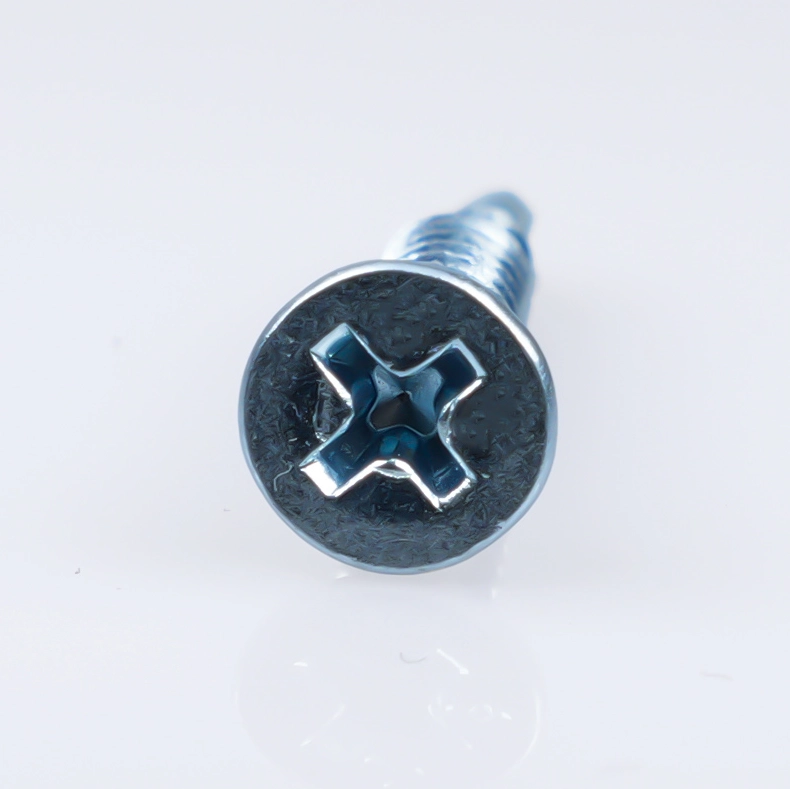
Flat Head Phillips Recess Self Drilling Screw Features
Flat head configurations let the screw lie level with the surface. Such a trait matters for panels, doors, and completed units where space is limited. Furthermore, the Phillips drive offers regulated turning force, which decreases the danger of excessive tightening in slimmer materials.
Hex Washer Head Self Drilling Screw Functional Advantages
Screws with hex washer heads deliver greater turning capacity and improved clamping power. The built-in washer distributes forces, which aids in shielding gentler surfaces and bolsters sealing for exterior uses.
Commonly, these fasteners appear in roofing, steel frameworks, and load-bearing connections where durability and steadiness take precedence.
Application Suitability For Flat Head Vs Hex Washer Head Designs
Flat head screws suit areas requiring even surfaces best. Hex washer head screws handle shaking resistance and retention power more effectively. Choosing the correct head type guarantees both operational success and uniform appearance.
FAQ
Q1: Can self-drilling screws replace self-tapping screws in all applications?
A: Not in every case. Self-drilling screws suit metal connections best where starter holes prove unfeasible. Self-tapping screws continue to offer advantages in regulated settings and specific plastics.
Q2: How do thread designs affect long-term joint reliability?
A: The spacing and depth of threads govern force spread and resistance to shaking. A properly aligned thread pattern lessens the chance of coming loose and material wear as time passes.
Q3: What should buyers consider when choosing between DIN 7981C and DIN 7982F screws?
A: Factors like material kind, depth, setup speed, and equipment arrangement should direct the choice. Both norms yield dependable results when applied in appropriate circumstances.


