

caTEGORIES
Tags
Industrial Fastening Guide: Applications of Pins & Rivets Across Major Sectors
Posted: March 13, 2026
Categories: News
In robust construction and precision manufacturing, a project’s durability often relies on minor parts. Bolts and nuts attract much notice, yet pins and rivets function as key elements that secure items from tall buildings to fast trains. These fixed fasteners aim to hold firm during vibrations.
Dependability in these parts goes beyond the materials chosen; it arises from the design approach in fabrication. Qewit, a British-owned firm founded in 2004, has invested more than twenty years in linking Western quality norms with Eastern production benefits. Through careful supply chain control and expert guidance, they have become a reliable supplier for sectors in Europe and other areas.
What Role Do Pins and Rivets Play in Modern Infrastructure?
Infrastructure exceeds mere concrete and steel; it involves combining those materials into a unified, weight-supporting form. Pins and rivets serve a distinct purpose here, as they manage forces unlike threaded fasteners do. If a connection must avoid loosening from vibrations over time, then a rivet becomes the choice.
Essential Functions in Structural Integrity
Pins and rivets stand as the primary selection for joints that endure large shear and tensile forces without movement. A screw may withdraw under ongoing shakes, but an installed rivet occupies the full hole and forms a lasting link, which is crucial for bridges and robust machines. As a result, they serve as protectors of the structure, so that stability remains in harsh settings.
Versatility Across Diverse Material Substrates
Current constructions no longer limit to iron and steel; they now include aluminum, brass, and various alloys. A suitable fastening system must match these materials to prevent problems like galvanic corrosion or weakened structure. The appropriate pin or rivet ensures smooth shifts between materials, whether in joining thin sheets or fixing heavy gear to bases.
Engineering Reliability Through Advanced Manufacturing
Quality emerges from planned efforts, not chance; it stems from a firm quality control strategy and proper testing tools. Qewit applies tests such as salt spray checks, tensile strength evaluations, and Vickers hardness measures to confirm each lot meets requirements. Because they adhere to ISO 9001 methods and supply 3.1 certifications, engineers can depend on these parts to succeed under stress.
Moving from the overall function of fasteners to particular industrial uses calls for examining devices built for intense conditions. In sectors like automotive or aerospace, basic rivets fall short, and thus specialized structural rivets prove essential.
How Do Qewit’s High-Performance Rivets Enhance Heavy Industry?
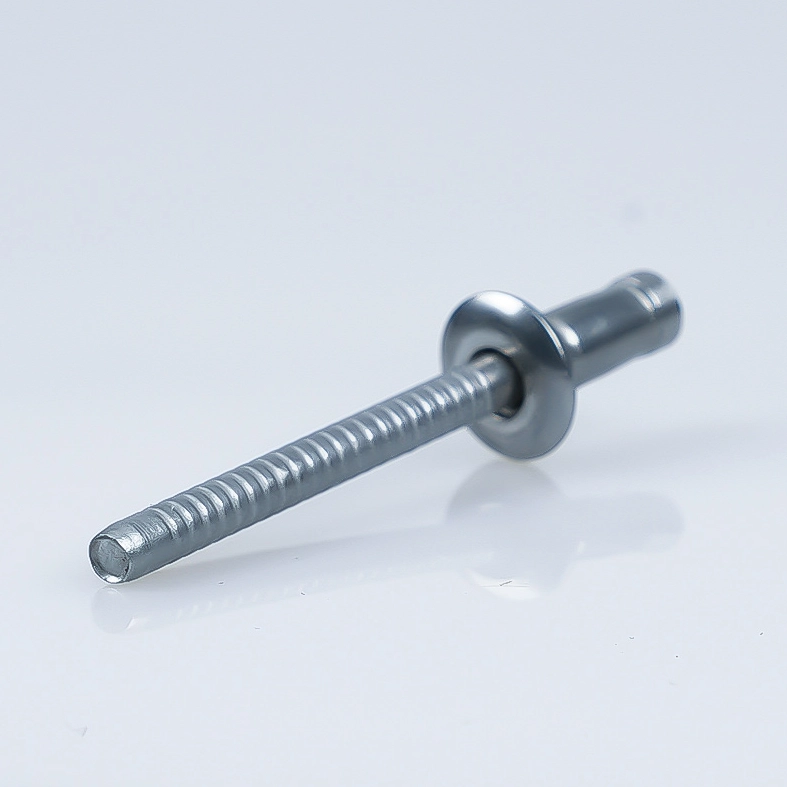
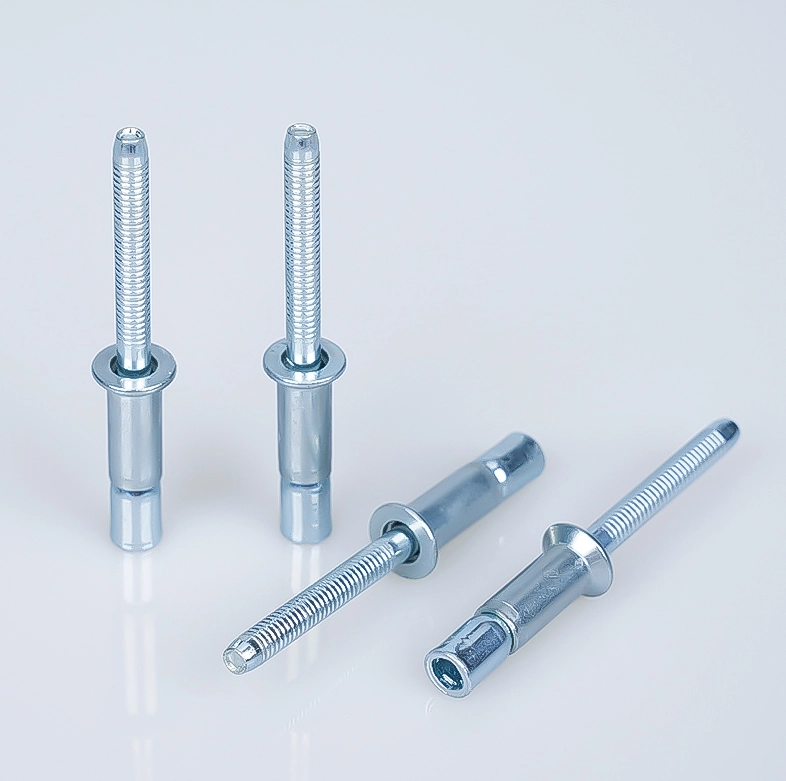
When tasks call for more than simple retention, structural rivets offer the solution. They are designed to create a mechanical interlock, where the mandrel stays within the rivet post-installation to increase shear strength. Qewit’s lineup features several main types that gain favor in industry.
Uni-grip Blind Rivet (All Steel)
The Uni-grip Blind Rivet solves issues for workshops facing varied thicknesses. Its broad grip range means one size can replace three standard rivets, which reduces stock issues. The all-steel design provides strong resistance to vibrations, so it suits general industrial joining well.
Mono-lock Structural Rivet (Carbon Steel)
For roles in sturdy frames like truck frames or tanks, the Mono-lock Structural Rivet performs strongly. It includes a clear mechanical lock that lets operators verify correct setting quickly. Made from carbon steel, it manages high loads, which keeps the joint firm amid constant machine impacts.
Mono-lock CSK Head Structural Rivet (Carbon Steel)
Cases exist where Mono-lock power is required without raised heads. The Mono-lock CSK (Countersunk) Head Structural Rivet fits level with the surface. This matters in spots needing even finishes, either for parts to move smoothly or for a neat appearance.
Choosing the proper rivet type sets a good base, but the core metal and surface layer decide if it endures for two or twenty years. Material knowledge forms the start of Qewit’s reliable service.
Why Is Material Selection Crucial for Fastener Longevity?
Using the incorrect metal in a spot leads to trouble. A basic carbon steel rivet in a coastal task without coating will rust soon. Hence, grasping finishes and material traits is vital in ordering.
Resistance to Corrosion and Environmental Wear
The setting shapes endurance; a dry indoor store treats metal better than a damp plant does. Coatings like Hot-Dip Galvanizing (HDG) or Zinc Flake add protection from rust. Qewit provides many platings, from simple Bright Zinc to complex Geomet and Magni, to fit salt-spray needs.
Management of Hydrogen Embrittlement Risks
A subtle risk in strong fasteners is hydrogen embrittlement, which makes metal brittle and breaks it suddenly. This occurs mainly in heat treatment or plating of high-carbon steels. Qewit addresses it by testing alloy steel parts above HV 350 hardness, which ensures they remain flexible and secure.
Tailored Solutions for Bespoke Requirements
Standard items work for many cases, but some projects require non-catalog options. These might involve alloys such as brass or copper for conductivity, or odd shapes needing special tools. Custom making from client drawings allows the fastener to match the project exactly.
After selecting apt materials and parts, the emphasis moves to their work sites. Each sector sets its own key measures for solid links.
Which Industrial Sectors Benefit Most From Advanced Fastening?
Fasteners bind our industrial realm. Qewit items appear in over 30,000 lines, but some sectors show their pins and rivets best.
Automotive and Transportation Manufacturing
Vehicles such as cars, trucks, and trains create steady shakes. Basic screws may loosen, so structural rivets appear often in frames and panels. They offer lasting bonds that maintain quiet and safety over long distances.
Building and Bridge Construction
In building, fasteners face heavy loads and changing weather. Strong anchors and rivets fix metal to concrete bases or join big beams. Stability is key, so that bridges or frames stay put in winds.
Furniture and Decorative Assembly
Daily goods like office chairs or kitchen units balance strength and looks. Countersunk rivets and special screws create level ends that avoid snags or mess. This secures a firm grip while keeping the design clean.
Knowing part locations aids, but buyers wonder about batch quality. The firm’s setup and background address this.
How Does Qewit Ensure Superior Product Quality?
In worldwide trade, uniformity proves challenging. Qewit connects this by serving as maker and strict quality center, so Eastern value matches Western standards without loss.
Comprehensive Quality Assurance and Auditing
Relying on supplier words alone is insufficient. Qewit reviews partner plants and sets firm quality plans for each run. Items undergo a final review at their center before shipping, to align with global standards.
Advanced Certification and Traceability
In vital sectors like automotive or aerospace, records match metal value. Qewit supplies full tracking with 3.1 certifications, plus reports like ISIR and PPAP Level 3. If issues arise, tracing reaches the source material.
Strategic Supply Chain and Consolidation Services
Acquiring many industrial goods creates logistics issues with varied items. Qewit’s one-hub approach lets clients order lines for joint collection and shipment. This offers ease and cuts shipping and energy costs, which smooths procurement.
FAQ
Q1: Can Qewit provide custom rivets if I have a specific technical drawing?
A: Yes, bespoke products form a main service element. They produce non-standard fasteners from client samples or drawings, with options for special plating and patching to fit needs.
Q2: How do I know the fasteners will survive in a high-corrosion environment?
A: Qewit supplies finishes like Hot-Dip Galvanizing, Zinc Flake, and Geomet, tested in salt spray setups for resistance. For top safeguard, they offer Stainless Steel fasteners in A2 and A4 grades.
Q3: What kind of quality documentation is available for my order?
A: Standard orders follow ISO 9001, with most fasteners including a 3.1 certification. For intricate tasks, reports like ISIR and PPAP up to Level 3 come on request for complete tracking.


