

caTEGORIES
Tags
How Different Screws Affect Total Cost in Large Scale Construction Projects
Posted: July 02, 2026
Categories: News
For a small repair job, the price difference between two screws may not matter much. In a large construction project, the same difference can affect labor hours, drilling steps, tool wear, packaging control, and later maintenance. That is why buyers should not compare screws only by piece price. The better question is whether the selected type helps the site team install faster, avoid rework, and keep the connection stable under real project conditions.
Qewit supplies fasteners for industrial and construction buyers who need stable sourcing rather than one-time small orders. Its product range covers self tapping, self drilling, machine, wood, drywall, socket, and thread forming screw types, with material and finish options for different job conditions. For buyers comparing several fastening methods across one project, this matters. A supplier that can discuss standard, head type, material, finish, packaging, and bulk delivery helps reduce mistakes before goods reach the site.
Why Should Buyers Look Beyond the Unit Price of a Screw?
A project buyer often starts with unit price because it is easy to compare. That is normal, but it is not enough. The same fastener can behave very differently depending on base material, installation tools, hole preparation, corrosion exposure, and worker workflow.
Purchase Price Is Only the First Cost
The first cost is the piece price. It changes with diameter, length, standard, head style, material, surface finish, packaging, and quantity. Carbon steel usually gives a lower starting price, while stainless steel or special coating raises the purchase cost. That higher cost may still make sense if the project is exposed to moisture, outdoor air, or regular maintenance difficulty.
Buyers should ask a simple question: will this fastener only hold parts together during installation, or must it keep the connection stable for years with limited maintenance? The second case often needs better material or coating.
Installation Time Can Change the Budget
The screws installation labor cost can be a bigger issue than the unit price. If workers need to drill a pilot hole, change tools, clean chips, then fasten, every step adds time. On a large roof, wall panel, steel frame, or equipment assembly job, small delays repeat thousands of times.
This is where the screw type starts affecting the project budget. Faster installation does not always mean lower quality. It means the selected product matches the base material and site workflow.
Rework Is Usually More Expensive Than Better Selection
Wrong thread type, weak drive engagement, poor corrosion resistance, or an unsuitable head style can create stripped heads, loose joints, cracked panels, or rust marks. Rework costs are not only about replacing parts. They include labor, schedule delay, inspection time, and sometimes damage to the installed material.
For large projects, the safer buying logic is to compare total cost before ordering, not after the site team reports problems.
How Do Self Tapping and Self Drilling Screws Affect Project Cost?
Many buyers compare self tapping screws vs self drilling screws cost because both are common in sheet metal, light steel, panel fixing, and general construction assembly. The right answer depends on whether hole preparation is already included in the work process.
Self Drilling Products Reduce Pre-Drilling Steps
Self drilling types can drill and fasten in one operation when used in suitable materials. This can reduce tool changes and help workers keep a faster rhythm. For metal sheet, light steel, roofing, or frame fixing, this may offset the higher piece price.
For these conditions, DIN 7504K is worth considering. Its hexagon head style gives stronger tool engagement than many light-duty drive forms, and the flange/collar design helps distribute pressure at the contact area. It fits buyers who care about site speed, stable tightening, and repeated installation in metal-related work.
Self Tapping Products Fit Prepared Holes and Thin Materials
Self tapping products are usually more suitable where a hole is already prepared, or where the material allows thread forming during assembly. If the project workflow already includes drilling, a self tapping option may be more economical than changing the whole process.
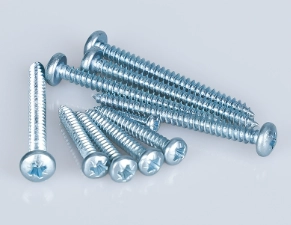
DIN 7981 can be used for stainless steel self tapping applications where corrosion resistance and a pan head structure are needed. It is a practical option for sheet metal, light assembly, and indoor or semi-exposed fastening work where the installation method is already planned.
Low-Profile Heads Help With Panel Fit
Not every project wants a large head profile. Some panel and surface applications need a flatter finish, less interference, or a cleaner installed surface. In these cases, Stainless Steel Recessed Wafer Head Self Drilling Screws can be a better fit than a taller head style. The value is not only appearance. A lower head can also reduce snagging and clearance problems after installation.
What Drives Screw Material and Coating Cost?
The screw material and coating cost should be judged by service conditions, not only by the purchase budget. A dry indoor assembly, a humid coastal project, and an outdoor steel structure should not use the same cost logic.
| Cost Factor | Lower Initial Cost Option | Higher Initial Cost Option | Buying Note |
|---|---|---|---|
| Material | Carbon steel | Stainless steel | Stainless steel may reduce corrosion-related replacement in exposed areas. |
| Finish | Plain or basic zinc | Dacromet, hot dip galvanized, customized finish | Better finish can be useful in outdoor or humid use. |
| Head style | Standard pan or basic head | Hex flange or wafer head | Match tool access, pressure distribution, and surface clearance. |
| Installation method | Pre-drilled self tapping | Self drilling | Self drilling may reduce labor steps in suitable metal work. |
Material choice also affects strength, corrosion behavior, and long-term maintenance. A low-cost option may be fine for dry, hidden, indoor work. For exposed fixing, stainless steel or a stronger coating may protect the whole assembly better.
Head type should be checked at the same time. A hexagon head helps with torque transfer. A pan head gives a broad bearing surface in many general assemblies. A wafer head helps where panel surface and low clearance matter. These details look small on a drawing, but they affect installation speed and finish quality on site.
How Should Buyers Approach Choosing Screws for Large Scale Projects?
Choosing screws for large scale projects should start from the installed condition, not from a product list. A buyer should confirm base material, load requirement, exposure, installation tool, head clearance, and packaging needs before comparing prices.
Match the Type to the Base Material
For metal sheet or light steel, self drilling may save work. For prepared holes or thinner materials, self tapping may fit better. For visible panels, a wafer head may improve surface finish. For stronger tool engagement, a hexagon head may be easier for workers to install consistently.
This is why Qewit’s range matters for project buyers. Instead of forcing one product into every position, the buyer can compare DIN 7504K, DIN 7981, and wafer head self drilling options by real application.
Compare Price With Labor and Failure Risk
A simple comparison should include three questions:
| Question | Why It Matters |
|---|---|
| Does the fastener reduce installation steps? | This affects labor time and tool use. |
| Does the material suit the environment? | This affects corrosion and replacement risk. |
| Does the head style fit the assembly? | This affects tightening, appearance, and clearance. |
If one product saves drilling work or reduces rework risk, it may be more cost-effective even with a higher unit price.
Avoid Costly Mistakes Before Bulk Ordering
Before bulk ordering, buyers should check whether the selected screw has been tested against the real base material, not only the drawing description. A mismatch may lead to head stripping, poor thread formation, surface damage, early corrosion, or loose fastening after vibration. For large projects, these problems are hard to fix once materials have been distributed across different work zones. A small trial order, sample check, or installation test can reduce the risk of buying a cheaper product that later creates higher labor and replacement cost.
Confirm Standard, Finish, and Packaging Before Ordering
Before bulk purchasing, buyers should confirm standard, diameter, length, material, finish, head style, drive type, packaging, and shipment plan. This avoids mixed-site confusion and reduces the risk of installing the wrong fastener in the wrong position.
For multi-item orders, a supplier with broad fastener coverage can also reduce communication cost. Instead of sourcing each item separately, buyers can keep related products under one procurement plan.
For project teams comparing drawings, material lists, or site requirements, Qewit can review the basic selection points before order confirmation. Send the standard, size range, material preference, finish requirement, quantity, packaging needs, and delivery terms through the contact page so the discussion starts from real project conditions, not guesswork.
FAQ
Q: Do self drilling products always reduce project cost?
A: No. They reduce cost only when the application allows drilling and fastening in one step. If holes are already prepared, a self tapping option may be more economical. The right comparison should include unit price, labor time, tool use, and rework risk.
Q: Which screws are better for outdoor construction use?
A: Outdoor use usually needs closer attention to material and coating. Stainless steel, Dacromet, hot dip galvanized, or other suitable finishes may cost more at purchase, but they can reduce corrosion problems in exposed conditions.
Q: How can buyers avoid choosing the wrong fastener for a large project?
A: Start with the base material, installation method, head clearance, corrosion exposure, and required standard. Then compare product type and total cost. For large orders, confirm samples, packaging, and delivery details before full procurement.


