

caTEGORIES
Tags
Five Key Factors to Consider when Picking the Perfect Through Bolts
Posted: April 16, 2026
Categories: News
Sourcing gear for big industrial jobs means finding a vendor that links solid build with fair costs. For those handling buys, Through Bolts must hit strict safety marks without stretching funds. Qewit appears as a UK-owned firm that mixes a pro “Western approach” with “Eastern savings”. Years in “industrial daily items” let their past-UK managers run smooth stock flows from China mainland and nearby spots. They go beyond selling ties; dedicated client handling, safe packing, and a “hassle-free” flow from their lines to your shelves come standard. Custom special items or basic parts both get their ISO 9001 checked steps, with each lot under close watch. Such a mix of background and build strength fits them well for worldwide sellers.
What Material Characteristics Ensure Long-Term Durability?
The setting around fasteners shapes how long a whole setup lasts. Materials chosen need to handle local strain and wear from surroundings.
Diverse Material Selections Including Alloy and Stainless Steel
Options extend past basic carbon steel to include brass, copper, aluminum, and different alloys. Stainless steel choices prove key for jobs needing strong rust fight in damp or sea areas. Pairing the build to the exact chemical contact at a site stops early breakdowns.
Grade 8.8 to 12.9 High Tensile Carbon Steel
Heavy work calls for strong steel levels like 8.8, 10.9, or 12.9. These levels deliver the pull strength to hold big weights in machine setups and frame links. Strong steel keeps a join solid under steady pull.
Advanced Surface Treatments for Salt-Spray Resistance
Outer layer acts as the main shield from corrosion. Coatings like Black Oxide, Hot-Dipped Galvanized (HDG), and Zinc Flake (Geomet/Magni) fit certain salt-spray needs. Machine-applied zinc works for strong ties to avoid hydrogen weakness risks.
How Do Specific DIN Standards Address Load Requirements?
Tech details set how a tie acts under weight. Right DIN pick makes sure gear suits the planned mechanical role.
Fully Threaded DIN 933 for Robust Clamping
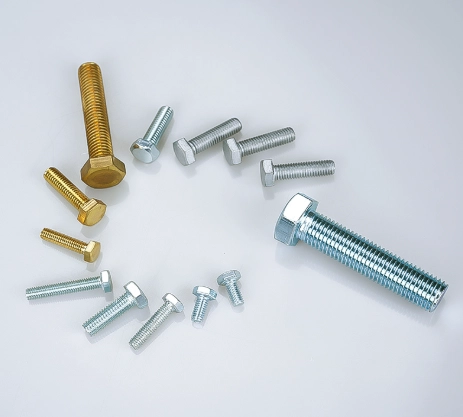
The Hexagon Head Set Screw DIN 933 serves as a full-thread piece to link one part to another with firm hold. Threads covering the full length give better room for tweaks and squeeze power. Such types often fit spots where the tie screws into a ready-cut hole.
Partially Threaded DIN 931 for High Shear Strength
The Hexagon Head Bolt DIN 931 has a plain, non-thread stem below the top. This setup works better for joins facing side pulls, since the firm stem resists more than a threaded bit. Pick this norm for frame builds where parts link up.
Integrated Flange DIN 6921 for Superior Load Distribution
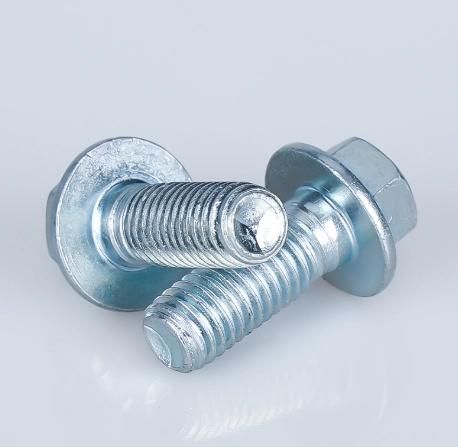
To push squeeze weight over a wider spot without extra washers, the Hexagon Flange Head Bolt DIN 6921 offers the best fit. The wide rim works like a built-in flat, giving a steadier link and fighting shake-loose issues. This all-in-one style eases build steps and cuts part counts to track. Often, they pair with Through Bolts in tricky steel-to-concrete shifts.
Why Is Quality Control the Backbone of Industrial Fastening?
Steady work in the tie field happens through planned checks, not chance. Such steps confirm action before items ship out.
Guaranteed Compliance with International Safety Standards
Ties must match world safety norms to keep public and work sites safe. Build sites get checks and reviews, backed by full Quality Control (QC) plans and test setups. This ordered method brings steady fine goods on each buy.
Rigorous Batch Testing Using Advanced Facilities
To check body traits of gear, each lot faces tests prior to send-off. Sites hold tools like Vision Measurement Projectors, Salt Spray Test Chambers, Tensile Strength Testers, and Vickers Hardness Testers. These let confirmation that ties hit exact proof weight and coat depth needs for a job.
Provision of 3.1 Certifications and PPAP Reports
Clear tech info suits current build work. Requests for 3.1 papers per DIN-EN-10204 give a plain record of build traits. For deeper needs, Initial Sample Inspection Reports (ISIR) and Production Part Approval Process (PPAP) files up to level 3 back quality checks.
Can Bespoke Manufacturing Optimize Your Supply Chain?
Basic ready parts sometimes miss unique build hurdles. Tailor work helps fine-tune setups and cut ongoing expenses.
Custom Production to Customer Drawings and Samples
Tailor non-basic tie items match tech plans or real samples exactly. Help covers broad steps to fit custom wants, from set top forms to odd thread steps. This bend proves a main plus for own machine builds or special frames.
Optical Sorting Services for Zero-Defect Delivery
High-count auto build lines suffer big stops from one bad tie. Roller Sorting or Optical Sorting spots make sure each tie in a send fits set limits. This “no-flaw” way keeps build flow steady.
Rapid Prototyping and Sample Provision
Prior to big buys, gear must prove it works as planned. Pre-build or pre-send samples come on ask for tests in set uses. Access to such samples lowers chance and makes final Through Bolts or ties match needs spot on.
How Do Heavy Duty Through Bolts Maximize Structural Reliability?
Fixing into concrete follows other rules than metal joins.
Superior Mechanical Locking in Concrete
A Through Bolt locks via an uneven end form that makes a “hold key” with concrete. This setup lets firm fixing of heavy parts right to concrete bases. The gap between outside and inside sizes keeps it set once the base wraps around.
High Resistance to Vibration and Loosening
Spots with steady shake or quake need anchors that fight pull-back. Basic Through Bolts hold firm under moving weights. Pushing weight well through concrete gives a safe base for big gear and rails.
Detachable Design for Maintenance Efficiency
A top plus of some fresh anchor fixes is easy removal. Unlike fixed anchors, a good tie pick allows taking off and swapping fixtures without base harm. This trait helps sites needing routine gear updates or frame fixes.
Service and Support
Right tie choice covers part; steady stock flow covers the rest. Stock gets strong buy and smooth runs to keep service steady. Pro tech know-how aids clients, and quick re-checks of lot samples fix any quality issues. Item grouping from many spots or bendy export like FOB, CIF, or DDU sets them to beat usual sellers.
Contact us today to discuss your project requirements!
FAQ
Q: What is the main difference between a Through Bolt and a standard Wedge Anchor?
A: Both suit concrete, but a Through Bolt means the full setup passing through the fix and into concrete, using a expand or lock key way for strong weight hold.
Q: Can I get a test report for my specific batch of bolts?
A: Yes. Each lot can include a 3.1 paper per DIN-EN-10204, plus asks for full ISIR or PPAP files to check ties fit specs exact.
Q: What is the fastest lead time for standard items?
A: Quick stock like DIN 985, DIN 982, and DIN 934 often ships in 1 week after order, while others such as DIN 931 and DIN 933 go out in 2 weeks.


