

caTEGORIES
Tags
A Complete Guide to Essential Installation Tools for Thread Forming Screws for Metal
Posted: May 21, 2026
Categories: News
In factory setup, a task’s success depends on careful hardware use. When handling screws for metal, these parts push aside material to form their own fitting threads. They differ from usual wood fasteners. Thus, a special method is needed to avoid breaking or ruining the metal base. A firm, shake-proof join comes from pairing the proper fastener with the right setup steps. This overview covers the gear and methods to improve metal joining work.
For a teammate that mixes solid design with large factory output, consider Qewit. With many years as a top world maker, they focus on strong carbon steel and stainless steel options that fit strict global rules. They supply more than items. They build a base for big plans, making sure each twist forms with full accuracy. Picking a provider that oversees the whole making flow, from base material choice to last check, gives the trust needed to win in tough world trade.
Why Do High Torque Power Tools for Metal Screws Ensure Better Structural Integrity?
Forming threads in steel or aluminum calls for strong push. A weak tool might stop the screw midway. This leads to poor hold. On the other hand, uneven power can harm the fresh inner threads.
Electric Screw Gun Settings for Industrial Metal Applications
In big output runs, an electric screw gun must allow exact speed and torque changes. For metal joins, high turns per minute often start the cut or form step. But as the screw sets in, torque needs close watch to skip over-tightening. The right electric screw gun settings for industrial metal avoid the usual slip problem, where the drive tip slides from the screw top and may scratch the face.
Precision Bit Selection for Hexagon Head Metal Screws
The link between tool and fastener marks a key weak spot. A precision bit selection for hexagon head metal screws gives a tight match that boosts power pass. A worn or wrong-size tip rounds the bolt top edges. This blocks later fixes. Good magnetic holders keep the part steady in early fast spins.
Consistent Driving Force to Prevent Material Displacement Issues
Thread forming skips cutting. It shifts metal to make a solid, close fit. For best results, the tool supplies steady down push and spin force. This even use lets metal fill the threads right. The join then fights loosening from shakes better than basic pre-cut spots.
How Do You Select the Right Equipment for Precision Fastening?
Picking hand or powered tools involves more than quickness. It ties to the base needs and the careful setup nature.
Manual versus Power Drivers for Thread Forming Tasks
Powered tools rule factory spots, yet manual versus power drivers for thread forming stays a key talk for light fixes. Hand tools give touch sense to know when the thread fits well. This matters for thin metal sheets where power might strip the spot. Still, for build steel, strong power drivers prove key to reach the needed hold force.
High Speed Impact Drivers for Rapid Heavy Duty Assembly
In cases with hundreds of parts set each day, an impact driver fits best. These use a hit system for quick spin bursts. Thus, they ease driving high torque power tools for metal screws into thick bases without the tool turning in hand. This cuts worker tiredness and boosts line speed.
Magnetic Bit Holders Enhancing Efficiency in Hard to Reach Areas
On tricky gear or top builds, holding the screw to the driver counts most. Magnetic holders and covers stop lost parts. This saves time and cuts site waste. It proves extra key for special fasteners that need exact line in first spins.
| Tool Type | Recommended RPM | Ideal Application |
|---|---|---|
| Cordless Drill | 500 – 1500 RPM | Light gauge metal, precision tasks |
| Impact Driver | 2000 – 3600 RPM | Heavy structural steel, high volume |
| Manual Screwdriver | N/A | Fine adjustments, thin aluminum |
Can the Truss Head Phillips Recess Self Drilling Screw Improve Your Efficiency?
To skip pre-cut steps, the Truss Head Phillips Recess Self Drilling Screw works well. Its drill-point end makes its own start hole. Then a thread-form part locks the join.
Large Bearing Surface for Superior Sheet Metal Clamping
The truss head spreads wider than a basic pan head. This bigger area clamps thin metal sheets more firmly without the head breaking through. It suits air duct work and metal roofs. There, weight spreads over more space to avoid rips.
Phillips Recess Design Compatible with Standard Power Bits
Standard forms smooth your flow. These screws use a common Phillips cut, so no special tips are needed. This match means current precision bit selection for hexagon head metal screws and Phillips tips stay ready. It lowers costs for new tools.
High Strength Carbon Steel Construction Reducing Fastener Failure
Made from hardened carbon steel, these screws have a tough shell for metal cutting. Yet they keep a flexible center to fight breaks. This mix of traits keeps the part whole in fast setup, even in tough factory spots.
Why Is the Hex Washer Head Self Drilling Screw Ideal for Heavy Duty Tasks?
For jobs needing top spin and a strong seal, the Hex Washer Head Self Drilling Screw sets the norm. It pairs a six-sided drive for power with a built-in flat ring for steadiness.
Built-in Washer Design for Enhanced Load Distribution
The added washer skips a separate one, cutting setup time. It offers a wide hold face that stops the part from sinking into metal or harming the joined material’s cover. This counts most for painted or coated steel sheets.
Self Drilling Tip Eliminating the Need for Separate Drill Bits
This part serves as its own cut tool. As a top screw for metal, it smooths your work. Skipping the switch between cut and drive saves hours in big steel frame builds.
Optimal Performance with Specialized Hex Socket Drivers
The six-sided head resists slip almost fully. With a pro hex socket driver, heavy spin applies without loss. This choice suits build jobs where loose parts fail.
How Can You Ensure Durability with Stainless Steel Phillips Countersunk Head Screws?
Factors like dampness and salt can wreck a carbon steel part in weeks. Here, a stainless option proves a must for task life.
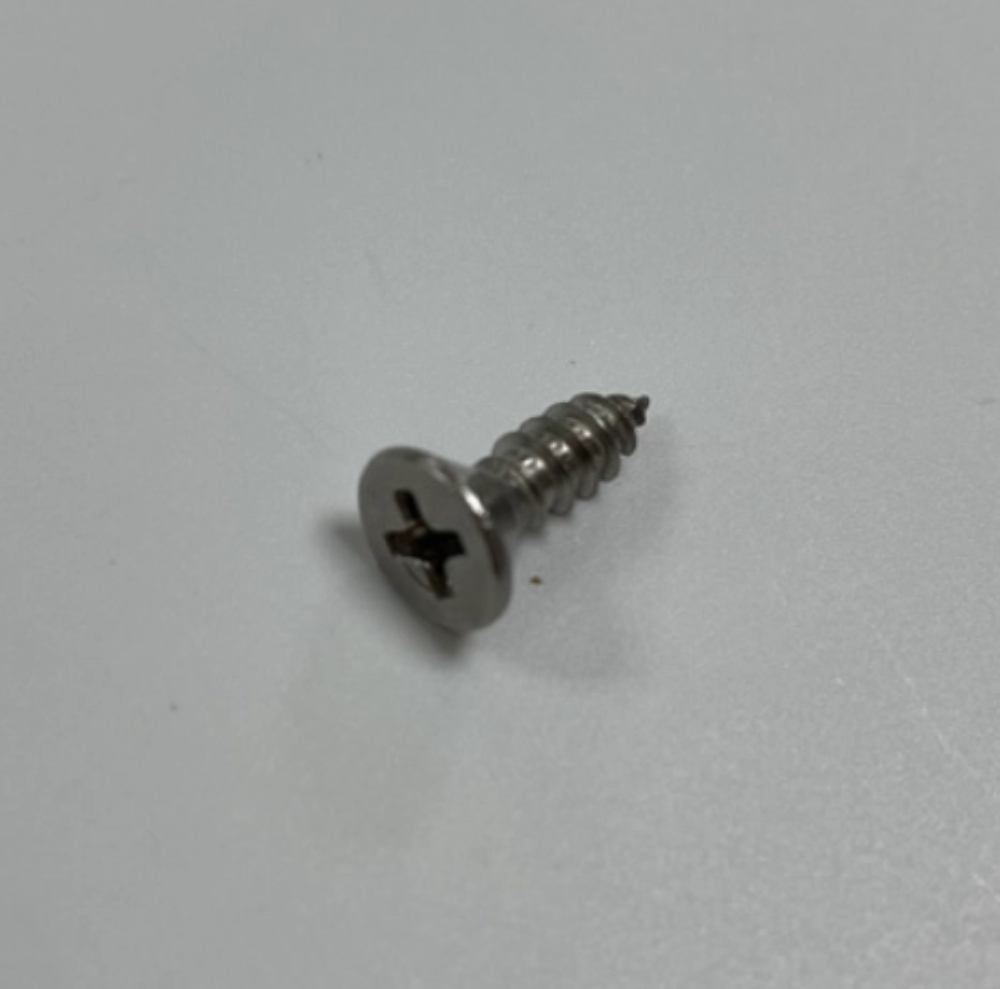
DIN 7982 Type C Standards for Precise Countersunk Finishing
The Stainless Steel Phillips Countersunk Head Self Tapping Screw follows DIN 7982 Type C rules. This makes the head sit even with the metal face. It gives a neat look and safer edge, with no sticks to catch clothes or skin.
Superior Corrosion Resistance in Challenging Marine Environments
Stainless steel, A2 or A4, fights rust on its own. It fits shore builds, food gear, or outside signs where metal faces constant weather.
Pilot Hole Size Chart for Thread Forming Screws for Metal
Stainless steel hardens more and risks sticking over carbon steel. Thus, the right start hole matters. A pilot hole size chart for thread forming screws guides the exact cut bit choice. It ensures threads form without breaks from too much rub.
| Screw Size | Recommended Pilot Hole (Steel) | Recommended Pilot Hole (Aluminum) |
|---|---|---|
| M3.5 (#6) | 2.9 mm | 2.8 mm |
| M4.2 (#8) | 3.5 mm | 3.4 mm |
| M4.8 (#10) | 4.1 mm | 4.0 mm |
Why Is Professional Technical Support Vital for Large Scale Sourcing?
Joining acts as a field of study. For orders of millions in global plans, a catalog falls short. A teammate must supply facts and ship aid to get the right part on time.
Expert Guidance on Material Selection and Surface Treatment
Pick Zinc cover, Dacromet, or stainless? A skilled group reviews site weather to suggest the best value pick that lasts without early loss.
Reliable Logistics and Global Supply Chain Management
Setting heavy factory screws for delivery needs skill in world hauls. Teaming with a maker that holds set ship paths makes sure screws for metal reach safe, with all border papers and checks added.
Direct Communication Channels for Custom Fastening Solutions
For plans needing odd head form, set twists, or off-size length, direct engineer talk is key. A direct contact for custom orders lets you skip go-betweens and get what plans call for, with full track from plant to store.
To wrap up, metal joining success relies on the match between part quality and setup tools. Putting funds into pro gear and right tech steps secures safety and lasting factory works.
FAQ
Q: Do I need a different driver bit for stainless steel screws for metal?
A: The size, like Phillips #2, stays the same. Yet stainless or coated top bits help avoid mix of metals. If a carbon bit leaves iron bits on stainless, they rust. This makes it seem the stainless fails.
Q: What happens if my torque settings are too high?
A: High electric screw gun settings for industrial metal can strip fresh threads. Then the screw spins loose with no hold. You must shift the spot or use a bigger part.
Q: Can I reuse thread-forming screws?
A: For build jobs, reuse is not wise. Forming threads stresses the part’s own twists. Second use may weaken the fit or cause breaks. Use fresh parts for key joins.


