

caTEGORIES
Tags
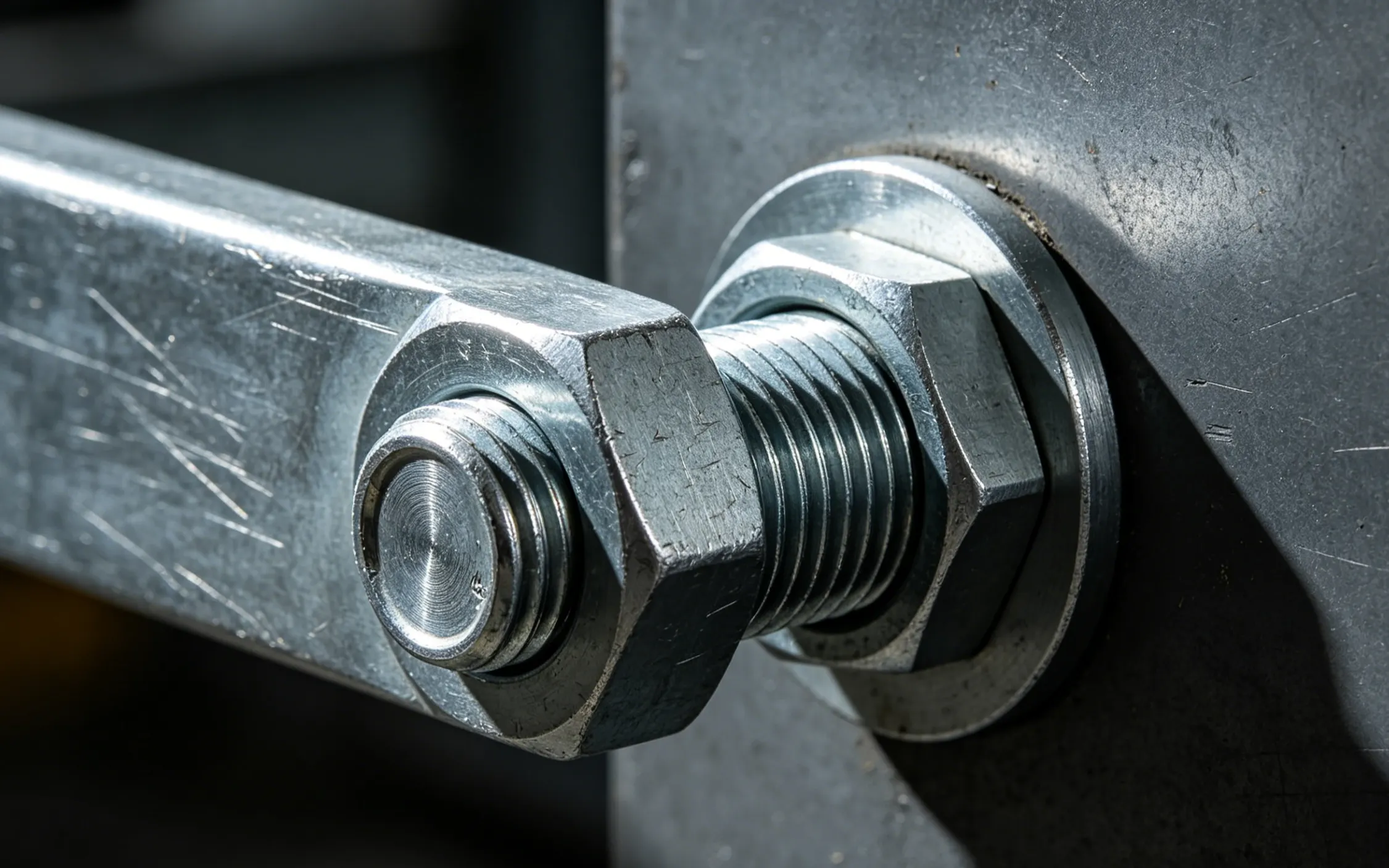
What Happens to Your Knuckle Bolts and Nuts When Bolted Joint Preload is Incorrect?
Posted: April 24, 2026
Categories: News
In heavy build work, the strength of bolts and nuts keeps things running or stops big machine breaks. For parts under high pull, a basic seller won’t do. A team with solid tech background helps more. QEWITCO FASTENERS CO., LTD. runs as a full British-owned firm. Since 2004, it links West build rules with East make value. It does not just sell goods. Instead, it runs tough supply paths across China, Taiwan, and Vietnam. This way, each piece on the shelf meets pro check rules and full track back. For custom items from own plans or common ones from 30,000 lines, it gives an “account care” service. That aims to please buyers and cut worry from make lines.
Why is Initial Preload Critical for Knuckle Bolts and Nuts Performance?
“Preload” means the pull made in a join part when first turned tight. This inside force keeps the setup firm against outside weights.
Transformation of Torque Into Essential Clamping Force
A tool turns to pull a bolt. The spin move stretches it like a firm spring. This pull makes a match hold force that keeps join parts close. Without that pull, the link just has metal touching, not a full build unit.
Importance of Correct Preload in Bolted Joint Assemblies
The importance of correct preload in bolted joint assemblies stands out. It sets how the link takes strain. If preload fits exact, the bolt sees small stress change even when outside forces pull to split. This steady state guards against moving weights in factory gear.
Maintenance of Friction Grip Between Critical Connecting Components
Many links count on rub between join faces to fight slide. That rub comes straight from the hold force of preload. Lose that grip, and bolts face cut forces they might not take. This leads to off lines or cut parts.
What are the Consequences of Insufficient Bolt Preload on Fasteners?
If pull in the part runs below plan needs, the link acts “loose” even if the nut turns by hand.
Vibration Induced Loosening and Accelerated Thread Wear
The consequences of insufficient bolt preload on fasteners show fast. They tie to lost rub lock. In factory shakes, a low-pull bolt starts to turn back. As pull drops more, threads scrape each other. This causes small wears that harm the part’s hold skill for good.
Risk of Fatigue Failure Due to Alternating Stress Concentration
Low preload leads to wear out. If hold force stays too small, outside weights make the bolt stretch and shrink over time. This steady shift builds stress spots at thread bases. In time, a clear split happens far under the part’s top pull strength.
Effects of Incorrect Bolt Preload on Knuckle Bolts
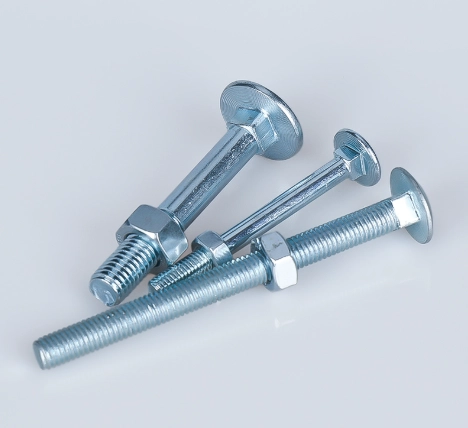
The effects of incorrect bolt preload on knuckle bolts raise danger. These parts often take turn or key moves. No pull lets “link gaps” form. Here, faces split for a bit. This makes hit force each load change. It can break high-grade steel quick. For works needing safe, flat fits that fight spin in turn, the Cup Square Bolts (Carriage Bolts) & Nuts DIN 603/934 serve well. Their square base locks in stuff. This lets steady pull use without head spin.
Risks of Excessive Preload for Knuckle Bolt Joints
Extra does not always help. Forcing a part over its body edge harms as much as leaving it free.
Permanent Plastic Deformation or Immediate Bolt Fracture
The risks of excessive preload for knuckle bolt joints show as “thinning.” The bolt gets slim from stretch past bend limit. Once in this bend stage, it can’t give steady hold force. In bad cases, the part breaks right in set up.
Increased Susceptibility to Stress Corrosion and Hydrogen Embrittlement
Strong parts feel their spot more under big pull. Too much preload raises inside strain. This makes metal open to hydrogen breaks. There, stuff turns weak and splits with no sign. This harm hits top in high-pull carbon steel after some heat fixes.
Bolt Preload Failure Signs and Mitigation Strategies
Spotting bolt preload failure signs and mitigation strategies aids site safety. Check for stretched threads, cracked pads, or bright marks on join faces that show shift. To cut these harms in light build or roof works where face push needs wide spread to stop crush, use Mushroom Head Roofing Bolts with Square Nuts. The wide top gives more hold space. It guards base stuff even with higher hold needs.
How to Verify Bolt Preload for Knuckle Bolts and Nuts
Checking stands as the last step to match plan math with real line work.
Verification of Material Hardness and Tensile Strength Limits
Right preload can’t come from weak stuff. Pro checks look at Vickers or Rockwell hard to make sure steel takes plan strain without bend.
Professional Proof Load Testing for High Performance Reliability
A “Proof Load” sets the pull a bolt must hold without lasting bend. By doing these checks, one proves bolts and nuts can keep the set preload for key knuckle links in machines.
Consistency in Dimensions Ensuring Accurate Torque to Preload Conversion
Most workers use pull tools. So, preload truth rests on thread rub. Steady sizes and good face ends like Zinc Plating or Geomet matter. If face runs too rough or threads vary, pull read stays high. But real inside preload drops to harm levels.
Why Should You Choose Professional Fastening Partners?
Handling preload twists needs a seller who knows steel facts.
British Management Standards Ensuring Global Supply Chain Reliability
Work with a team that uses old British lead rules. This keeps “Supply Chain Management” sharp. It means check each factory and set QC steps before one item ships to the site.
Comprehensive Technical Support and Bespoke Product Customization
Common DIN parts may fall short at times. A team must make custom goods from plans or samples. It should give tech aid to pass know-how to buyers.
Worry-Free Service From Production to Your On-Site Racks
The aim is a “Please the Buyer” feel. This covers free join aid for varied lines and safe pack to get bolts and nuts set for quick, strong set up.
FAQ
Q: What is the most common sign that a bolt has insufficient preload?
A: Low preload shows most in rub rust (small red-brown dust) near the link or nuts turning loose under shakes.
Q: How does excessive preload lead to hydrogen embrittlement?
A: Too much preload puts big inside strain on the part. With hard steel over 350 HV, it opens to weak splits if hydrogen got in during plate work.
Q: Is torque the same thing as preload?
A: No. Pull means spin force on the nut. Preload is the line pull that holds the link. Just 10% to 15% of pull makes preload. The rest goes to rub.


