

caTEGORIES
Tags
Ensuring Fastener Safety in Seismic Zones: Best Practices and Guidelines
Posted: March 06, 2026
Categories: News
In areas prone to earthquakes, the safety of structures depends not just on beams, columns, and building regulations. It frequently hinges on the minor elements that bind all components securely. Fasteners endure pulling forces, dampen shaking, and hold building parts firmly when the soil begins to shift. When such elements give way, the effects can propagate rapidly across the whole framework.
For builders, technical experts, and suppliers operating in regions vulnerable to quakes, selecting an appropriate fastening method represents a practical choice that influences enduring firmness. Qewit Fastener emphasizes reliable manufacturing and robust parts, offering fastening options like Metric Type T Nylon Insert Nuts DIN 985, Self Tapping Inserts Hardened Steel, and Flat Round Washers DIN 125A that find common use in building, machinery, and factory settings. Grasping the way these items respond to quake forces proves vital.
Why Do Fasteners Fail Under Seismic Loads?
Quakes generate varying forces that differ markedly from fixed loads in construction. Rather than constant weight, joints encounter ongoing tremors, displacements, and abrupt shifts in direction. These actions challenge both the fastening device and the supporting surface.
Prior to examining targeted remedies, it benefits to review the typical breakdown patterns observed in quake incidents.
Cyclic Loosening Under Repeated Vibrations
A frequent issue involves gradual self-unfastening. Amid ongoing tremors, nuts that start out snug can slowly turn and shed their initial tension. Although this might progress gradually, in a powerful quake, it occurs swiftly.
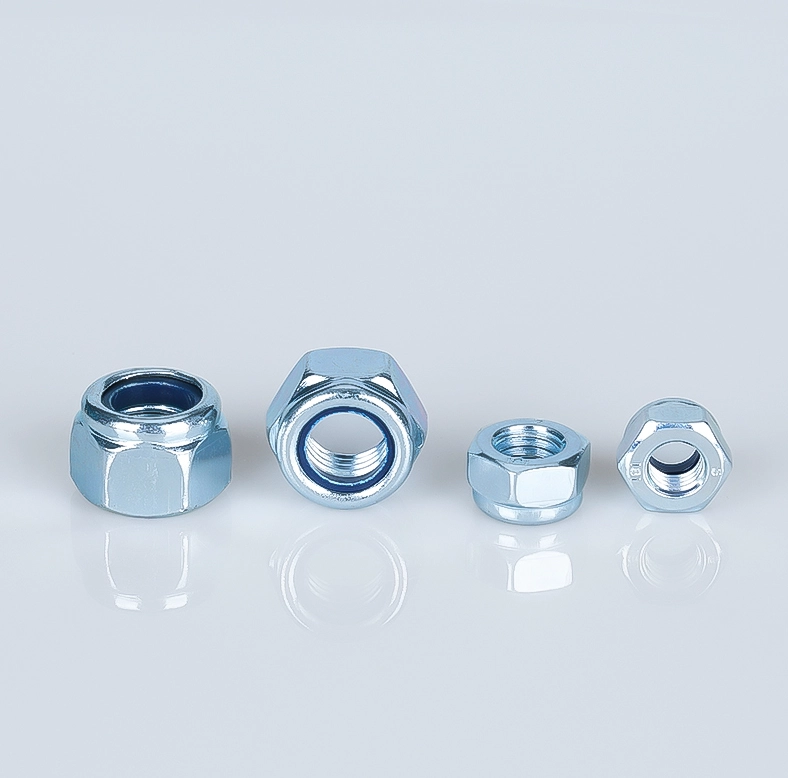
Metric Type T Nylon Insert Nuts DIN 985 aim to counter this concern. The nylon band within the nut generates extra grip on the bolt’s threading. In contrast to basic hexagonal nuts, which depend solely on initial tightening, these nylon versions sustain opposition to turning motions. Consequently, this extra hold maintains the joint’s steadiness when facing tremors and side-to-side shifts.
Within metal frameworks, device support bases, and quake-resistant supports, this locking nut type delivers a straightforward yet reliable defense.
Thread Stripping in Weak Base Materials
During quake action, another vulnerability lies in the inner threading of softer substances like aluminum mixtures or thin metal profiles. Under varying pressures, these threads may warp, shear off, or extract completely.
Self Tapping Inserts Hardened Steel serve to bolster such inner threads. Constructed from toughened steel, these pieces carve into the base and form a durable threaded link. As a result, they promote superior force sharing and greater resistance to extraction.
In renovation efforts or assembled structures using lighter materials, these pieces fulfill an important function in averting joint breakdowns amid soil disturbances.
Uneven Load Distribution at Connection Points
Focusing of forces often receives little notice. When pressure acts on a limited contact zone, stress builds intensely in that spot. Amid quake tremors, this focused strain might cause fractures, dents, or sinking of the bolt top.
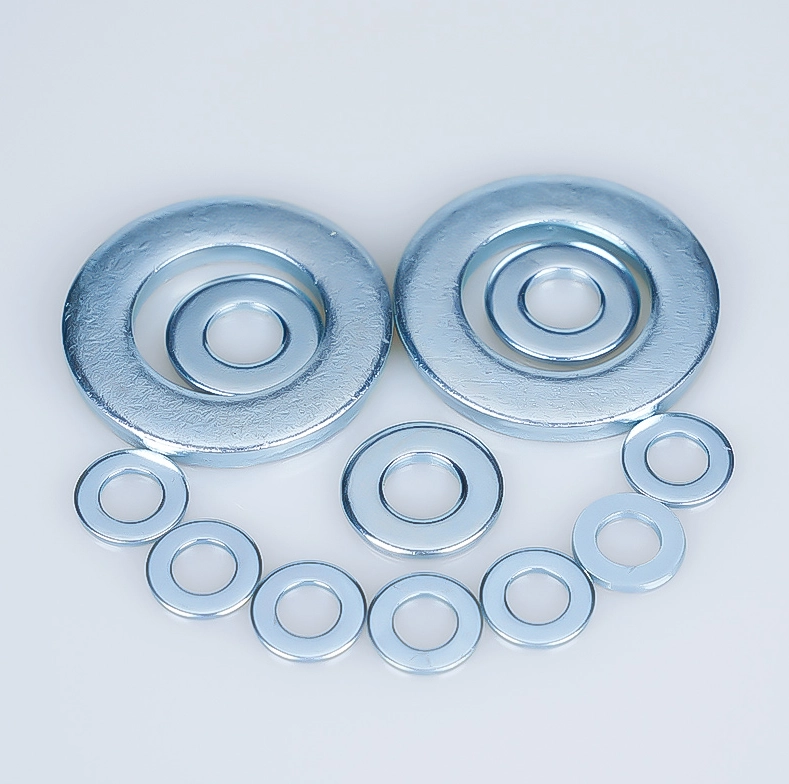
Flat Round Washers DIN 125A assist in dispersing the pressure over a broader area. By enlarging the support surface between the fastening and the joined material, washers lessen pinpointed strain. In building setups, pairing washers with securing nuts introduces further mechanical soundness.
How Can Locking Mechanisms Improve Seismic Performance?
Basic fastening approaches function adequately in fixed scenarios, but quake settings require greater opposition to shifts. Securing devices go beyond mere additions; in numerous instances, they become essential.
A nearer examination of various securing tactics reveals their contributions to more secure joints.
Nylon Insert Locking Technology for Vibration Resistance
The nylon element in DIN 985 nuts produces steady grip against the bolt’s threading. This grip does not rely completely on starting tension. Even if minor easing happens from material adjustment, the nylon section continues to oppose turning.
For metal skeleton buildings, power enclosures, and hanging mechanical setups in quake zones, this basic mechanical trait greatly lowers the risk of unfastening during tremors.
Qewit produces these metric securing nuts in line with DIN norms, featuring uniform thread precision and substance quality, which renders them apt for extensive factory distribution.
Thread Reinforcement Through Hardened Steel Inserts
When supporting materials lack sufficient thread durability independently, strengthening proves required. Toughened steel pieces elevate thread cutting resistance and boost opposition to ongoing strain patterns.
In quake upgrade initiatives, particularly for aging buildings, employing self tapping pieces aids in recovering or surpassing prior joint robustness. This method applies broadly to machine foundations, pre-made structures, and travel network elements.
Load Stabilization with Flat Washer Support
Washers appear basic, yet their function holds real value. By steadying the touching surface, they cut down the chance of sinking and irregular torque spread.
DIN 125A flat washers from Qewit come produced to satisfy size allowances that align with common bolt arrangements. When combined with nylon insert nuts, they form a well-rounded fastening setup that handles varying pressures more effectively.
What Materials Perform Best in Seismic Construction?
Picking substances influences how fastening elements respond to both strain and surroundings. In quake areas, flexibility, pulling strength, and outer treatments all play roles.
Before opting for a item, considering the traits that shape action during a quake holds value.
Hardened Carbon Steel for Structural Integrity
Strong carbon steel delivers solid pulling power and solid endurance against wear. Toughened steel pieces, especially, manage recurring strain without warping readily.
For building skeletons and substantial mechanical groupings, these toughened steel items yield steady results under changing pressures.
Corrosion-Resistant Coatings for Long-Term Stability
In various quake locales, surrounding factors involve moisture, seaside atmosphere, or factory contact. Rusting diminishes fasteners gradually and lowers force handling.
Outer layers like zinc covering provide shielding from oxidation. Qewit delivers fasteners with fitting coatings ideal for building and factory purposes, aiding in preserving extended operational duration in tough settings.
Elastic Locking Components for Dynamic Movement
Flexible parts, like nylon inserts, bring adaptability to the joint. Rather than solely stiff metal contact, the nylon band adjusts modestly to shifts while upholding grip.
This quality aids in setups where slight building motion persists following the primary quake occurrence.
How Should Fasteners Be Installed in Seismic Zones?
Superior fasteners might not achieve full potential if fitted wrongly. In quake building, fitting methods merit focus comparable to item choice.
Various useful factors aid in lessening hazards.
Proper Torque Control and Preload Management
Accurate torque use sets the starting clamping power. Insufficient tightening permits space for shifts; excessive tightening could harm threads or shorten endurance lifespan.
Employing adjusted torque instruments and adhering to technical outlines proves crucial. Uniform fasteners such as DIN 985 nuts and DIN 125A washers enable foreseeable torque action when properly paired with bolts.
Combined Use of Lock Nuts and Washers
In quake groupings, merging elements typically outperforms depending on one alone. A nylon insert nut offers resistance to turning, whereas a flat washer disperses the pressure.
This pairing sees frequent application in metal structures, device shelves, air handling mounts, and assembled buildings situated in quake-vulnerable spots.
Reinforced Thread Engagement in Critical Joints
For joints facing elevated strain or softer supporting materials, bolstered thread contact gets advised. Fitting toughened steel self tapping inserts heightens extraction strength and boosts lasting quality.
In factory sites and transport networks, these inserts strengthen upkeep spots and building links.
What Standards and Guidelines Should Be Followed?
Quake fastening involves no speculation. It requires matching known norms and technical review. Observing set guidelines assists in upholding uniformity over initiatives.
Compliance with DIN and ISO Specifications
Fasteners made per DIN and ISO norms ensure size correctness and reliable physical traits.
Qewit’s item lineup, encompassing DIN 985 nylon insert nuts and DIN 125A flat washers, adheres to accepted outlines. Such uniformity eases obtaining and cuts down matching problems in global efforts.
Engineering Assessment of Seismic Load Requirements
Prior to picking fasteners, technical experts ought to compute anticipated pressures, covering pulling, sliding, and varying elements. Quake building codes typically outline safety margins for joints.
Aligning fastener level and dimension to these computations avoids inadequate planning and enhances trustworthiness.
Quality Control and Traceable Production
Uniform manufacturing caliber counts in broad distribution. Trackable making steps and substance checking back project adherence needs.
Qewit Fastener prioritizes managed making and firm supply paths, aiding building and factory customers needing solid large-quantity fastening answers.
FAQ
Q1: Why Are Nylon Insert Nuts Recommended for Seismic Areas?
A: Nylon insert nuts withstand self-unfastening from tremors. The nylon band generates additional grip, assisting the nut to remain positioned even as the framework undergoes ongoing quaking.
Q2: When Should Self Tapping Inserts Be Used?
A: Self tapping inserts fit when dealing with yielding materials or mending worn threads. They elevate thread robustness and heighten resistance to pulling out in quake uses.
Q3: Do Flat Washers Really Improve Earthquake Resistance?
A: Flat washers aid in sharing pressure more uniformly and cutting down spot strain. Though basic, they bolster general joint steadiness when utilized alongside suitable securing nuts in quake building.


