

CATEGORIAS
Etiquetas
Bolts de Grade 5 vs Grade 8 & Nuts: Como escolher os aceleradores certos para seu projeto
Publicado: 09 de janeiro de 2026
Categorias: Novas
Selecionar o buraco adequado vai além de apenas encontrar um que corresponda à abertura. Se você já pausou em uma área de armazenamento, olhando para linhas infinitas de pedaços de metal, então você entende o quão crucial o “ Grau” Para aqueles que gerem um local de construção ou supervisionam áreas de produção, decidir entre o grau 5 e o grau 8 frequentemente separa um resultado bem sucedido de uma quebra cara de equipamento.
Qual é a diferença de força entre o grau 5 e o grau 8?
O fator chave aqui gira em torno da força. Apesar de ambos os tipos aparecerem parecidos em primeiro olhar, eles se ajustam a níveis distintos de pressão. O grau 5 serve como uma opção dependível do dia a dia para tarefas de rotina de união, enquanto o grau 8 lida com condições exigentes com maior capacidade.
Propriedades de aço de carbono médio dos fixadores de grau 5
Fabricantes geralmente produzem boltas de Grade 5 de aço de carbono médio, que passam por processos de apagação e temperamento. Em aplicações de hardware, esses itens funcionam como artistas versátiis. Elas proporcionam uma mistura razoável de rigidez e flexibilidade, então elas resistem forças consideráveis atraindo sem se tornar excessivamente frágeis. Muitos suportes motores de veículos ou elementos de máquina padrão dependem deles porque esses boltos conseguem tremer bem e evitar rupturas súbitas.
Performação de alta força de aço de liga de grau 8
Quando você avança para o grau 8, você encontra boltos feitos de variedades de aço de alto carbono ou liga. Estes são submetidos a tratamentos de aquecimento mais rigorosos para alcançar uma força de tensão substancialmente elevada. Eles resistem a estirar significativamente, e em vez disso, mantêm sua posição firmemente. Você comumente os verá em robustos sistemas de suspensão de camiões, conexões de equipamentos agrícolas e lugares onde o aderente deve suportar forças extremas sem dar lugar.
Qewit Quality Control for Consistent Material Grades
Em Qewito pessoal reconhece que um Grado 8” A designação h velha só se o aço subjacente satisfazer as expectativas. Como uma empresa de propriedade britânica com sede na China, a Qewit conecta a supervisão de prémios com métodos de fabricação acessíveis. Cada corrida de produção recebe exame exaustivo, cobrindo aspectos como força de tensão e dureza Rockwell, bem em suas oficinas dedicadas, assegurando que uma bolta de grau 8 realmente funciona como rotulada.
À medida que você muda de classificações materiais fundamentais para usos de engenharia alvo, padrões como DIN 931 se concentram. Esses representam projetos de boltos precisos que refinam materiais básicos em instrumentos precisos para necessidades específicas.
Por que você deveria escolher DIN 931 Hexagon Head Bolts para engenharia?
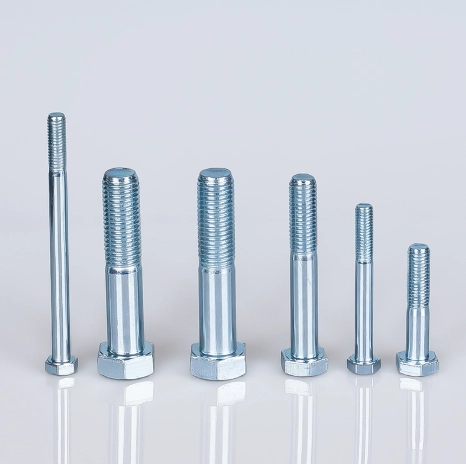
Para tarefas envolvendo painéis substanciais ou equipamentos grandes, DIN 931 bolta de cabeça hexágona frequentemente emerge como a escolha preferida. Ao contrário dos fixadores completamente fios, este inclui uma seção suave debaixo da cabeça, conhecida como o baixo, que altera sua habilidade de gerir várias forças eficazmente.
Design Hex Head para Transmissão de Alto Torque
O topo tradicional de seis lados serve mais do que propósitos estéticos. Ela possibilita uma ferramenta como uma chave ou socket para alcançar uma segurança de múltiplos ângulos, o que se prova ideal em áreas confinadas. Como você pode entregar uma força de viragem substancial para uma cabeça hexadecimal, isso permite estabelecer precisamente a pressão de apertura necessária, impedindo assim componentes de deslocar-se.
estrutura parcial de fios que apoia a estabilidade da força de abate
O que separa o DIN 931 é seu design parcial de fios. Esse aspecto prova-se especialmente útil para for ças de corte, onde pressões tentam forçar duas superfícies a deslizar umas contra as outras. A porção de cabeça não treada alinha diretamente com o plano de corte, oferecendo uma coluna de a ço contínua que proporciona resistência muito superior em comparação com uma área de fios no mesmo lugar.
Diversos Terminos de Superfície para Resistência à Corrosão Ao Afuera
Qewit fornece estes boltos com vários revestimentos protetores para evitar a raíz. Dependendo do ambiente de instalação, você pode optar por versões básicas de Plata Zinc para configurações internas protegidas, ou selecionar as Galvanizadas Hot-Dip para exposição à umidade. Em cenários exigentes, eles também oferecem opções avançadas como Geomet ou Dacromet termina, que fornecem excelentes salvaguardas sem introduzir riscos como embrião de hidrogênio.
Embora boltas hexadecinais excelem em conectar superfícies metálicas juntas, certas situações exigem assegurar itens diretamente em uma base de concreto. Nesses casos, soluções mais especializadas se tornam essenciais.
Como os boltos de concreto de cabeça hexadecina fornecem um acompanhamento seguro?
As ancoras convencionais muitas vezes dependem de mangas ou compostos químicos para permanecer fixos, mas boltos de concreto, às vezes chamados de screws de concreto, adotam um método simples. Essencialmente, eles atuam como parafusos fortes que cortam sua própria rota para o material sólido.
Lima única de autofiscalização para fixação direta de concreto
A eficácia de um buraco de concreto está no seu ponto apontado e padrão de fios. Essa ponta trabalha para penetrar e formar grovos que correspondem dentro da abertura perfurada no concreto. Qewit s Boltas de Concreto Hex Head incorporam elementos menores elevados ao longo dos fios, que ajudam a agarrar a superfície dura com segurança sem causar a fratura do bolto durante o processo de inserção.
Característica Detachável para Instalações Temporárias ou Adjustáveis
Em contraste com as ancoras de expansão que se tornam quase permanentes após a colocação, boltos de concreto permitem remover. Se ajustes ao posicionamento do equipamento ou barreiras temporárias se tornarem necessários, você pode simplesmente reverti-los. Essa característica os torna particularmente adequados para iniciativas onde reposição ou extração pode ocorrer em um estágio posterior.
Construção de alta dificuldade para prevenir danos aos fios
Dada a natureza bruta do concreto, esses boltos exigem durabilidade excepcional. Eles recebem tratamentos de calor especializados para assegurar que os fios não se desgastem ao encontrar pedras incorporadas ou grite. Qewit calibra cuidadosamente este nível de dureza para prevenir problemas como embrião de hidrogênio, que de outro modo poderia tornar o aço de alta força propenso a fraturas súbitas.
Não importa o quão robusto um bolto pode ser, perde a eficácia se a noite acompanhante se soltar devido ao movimento constante. Em espaços compactos, um caramelho típico pode parecer demasiado grande, levando profissionais a buscar alternativas mais compactas.
Quando é necessário o DIN 936 Hexagon Lock Nut?
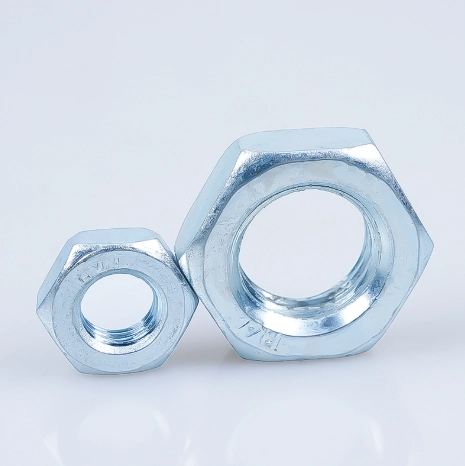
O DIN 936 se qualifica como um caramelho fino, ou caramelho, em termos técnicos. Essencialmente oferece uma variante de altura reduzida do caramelho hex habitual, adaptada para funções mecânicas específicas onde surgem limitações espaciais ou necessidades específicas.
Perfil de manchas finas para assembleias restritas ao espaço
Numerosas montagens deixam um espaço limitado na bolta’ o final. O DIN 936 mediu consideravelmente menos espessura do que um nojo DIN 934 padrão, tornando-o adequado para configurações planares ou cenários com comprimento restrito de boltos. Apesar de sua pequena construção, ela fornece força de segurança adequada sem ocupar altura excessiva.
Mecanismo eficiente de bloqueio contra a libertação da vibração
Frequentemente, essas manchas servem como manchas em prática. Primeiro você instala um nojo regular, e depois coloca um DIN 936 adjacente a ele para a segurança adicionada. Esse arranjo gera pressões opostas entre o par, o que efetivamente os segura contra a liberação de vibrações produzidas por motores ou máquinas.
Paramento Versatório com Boltas Estándar de Cabeça Hexágona
Essas nozes se integram suavemente com vários componentes. Não importa se você os pareja com boltos DIN 931 de grau 5 ou 8, o DIN 936 pode alinhar em termos de composição material e tratamento de superfície, como Zinc ou Stainless Steel, para garantir que todo o sistema dura com o tempo previsto.
Fornecer todos os elementos necessários de um único fornecedor, completado com verificação adequada, pode ser desafiador. Portanto, parceriar com um vendedor confiável racionaliza a operação inteira significativamente.
Por que Qewit é o parceiro preferido para Fasteners Industriais?
Qewit opera além do papel de um simples intermediário; e conecta diferentes abordagens operacionais eficazmente. Ao combinar princípios operacionais ocidentais com eficiências de produção oriental, Qewit permite aos clientes obter exatamente o que eles exigem, livre de deficiências comuns de qualidade relacionadas à comunicação.
Normas Britânicas de Gestão Assurando a Cadeia Profissional de Fornecimento
Fundada em 2004 por ex-executivos britânicos, a empresa opera sob um compromisso com “ Estilo Ocidental - práticas. Consequentemente, entende a importância dos trabalhos de papel, horários e critérios de qualidade rigorosos que os mercados na Europa e na América do Norte esperam consistentemente.
Facilidades de ensaio global para a conformidade internacional
Qewit apoia cada entrega com evidência detalhada. Em seu laboratório interno, eles realizam avaliações para resistência ao pulverização de sal, capacidades de tensão e medidas de dureza de Vickers. Em vez de confiar exclusivamente em afirmações do fabricante, eles confirmam os resultados independentemente, proporcionando aos clientes um processo inequívoco e confiável desde fabricação até entrega final.
Serviços de Fabricação Bespoke para Requisitos de Projetos Especializados
Às vezes, boltos DIN fora da plataforma não satisfazem exigências únicas. Qewit amplia opções completas de personalização, permitindo produção e tratamento de itens baseados em esboços detalhados ou especificações precisas. Essa adaptabilidade explica seu status como aliado confiável para setores que abrangem a montagem automóvel a grandes esforços de construção em todo o mundo.
FAQ
Q1: Posso usar um nojo de grau 5 com um bolto de grau 8?
A: Geralmente falando, essa abordagem não é aconselhada. - O nojo a força s deve, pelo menos, ser igual ou superar a da bolta para funcionar corretamente. Caso contrário, o nariz os fios poderiam desgastar prematuramente, limitando a bolta a habilidade de alcançar seu máximo seguro.
Q2: Os bolos de concreto requerem um pedaço especial de perfuração?
A: Na verdade, preparar um buraco de piloto antecipadamente com uma perfuração de masonria de tamanho apropriado para a bolta é essencial. Um buraco ultrapassado reduz a agarrada de fios, enquanto um subtamanho risca quebrar o buraco durante a inserção.
Q3: Qual é o principal benefício de um nojo DIN 936 sobre um normal?
A: Sua vantagem primária vem do design compacto. Essa loucura se encaixa em limpezas estreitas onde uma convencional se prolongaria excessivamente, e também funciona bem como um bloqueio suplementar para impedir que a loucura principal se desliga sob influências vibracionais.


