

CATEGORIAS
Etiquetas
Como escolher arruelas que atendam aos requisitos DIN ISO e ASTM
Publicado: 10 de julho de 2026
Categorias: Novas
Etiquetas: notícias
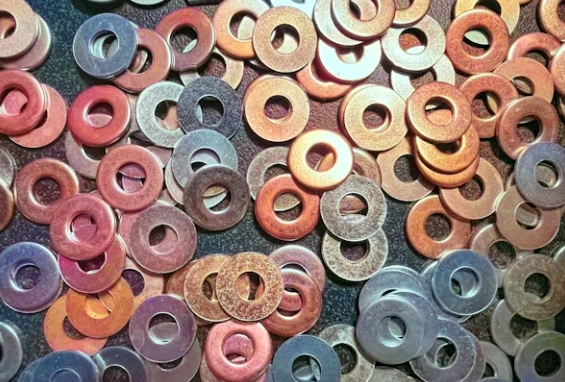
As arruelas podem parecer peças estampadas simples, mas desempenham um papel fundamental em uma junta de fixação industrial. Uma arruela adequada distribui a força de aperto, protege a superfície de contato, reduz o risco de empenamento e ajuda o parafuso ou a porca a se acomodarem de maneira mais uniforme durante o aperto. Se o pedido de compra especificar apenas "arruelas padrão", o fornecedor pode cotar um item similar, mas o diâmetro do furo, o diâmetro externo, a espessura, a dureza, o material, o acabamento ou a documentação podem ainda estar incorretos para a aplicação.
Qewit Fornecemos fixadores e elementos de fixação para compradores industriais, distribuidores e usuários de projetos. Para arruelas, nossa gama inclui opções de arruelas planas e redondas DIN e ISO, diferentes materiais, acabamentos de superfície, opções de embalagem, suporte técnico e serviços de documentação, como certificação 3.1, ISIR e PPAP, mediante solicitação. Isso é importante para compradores que precisam de peças que passem pela inspeção de entrada, e não apenas peças com aparência semelhante em uma caixa.
Por que as lavadoras industriais precisam de normas reconhecidas?
Projetos industriais geralmente envolvem montagem repetida, compras em lote e inspeção por diversas partes. Uma norma reconhecida fornece ao comprador, fornecedor, inspetor e usuário final o mesmo ponto de referência. Ela define o que deve ser verificado antes do envio e o que pode ser aceito após a chegada.
Para requisitos de arruelas DIN, ISO e ASTM, o ponto crucial não é apenas o nome da norma. O comprador também precisa verificar se a geometria do produto, o processo de fabricação do material, a dureza esperada, o tratamento de superfície e os documentos de inspeção correspondem às condições reais de trabalho.
A falha de uma arruela raramente é dramática à primeira vista. O problema mais comum é mais silencioso. O furo pode ser ligeiramente inadequado para o parafuso. O diâmetro externo pode não distribuir a carga por uma superfície suficiente. A arruela pode ser muito macia para a condição de aperto. O revestimento pode não ser adequado ao ambiente de armazenamento ou exposição. Em compras em grande quantidade, essas pequenas diferenças podem causar atrasos na montagem, reclamações de clientes ou trabalho extra de triagem.
Normas protegem a segurança e a consistência da montagem.
Uma arruela plana distribui a carga entre um parafuso ou porca e a superfície de contato. Se a arruela for muito fina, muito macia ou tiver o tamanho incorreto, a força de aperto pode não ser distribuída como esperado. Isso pode marcar a superfície, afrouxar a junta ou causar problemas durante a manutenção posterior.
As normas ajudam a evitar esses erros básicos. Elas definem o tipo de arruela e as dimensões esperadas, de modo que cada lote possa ser verificado de acordo com a mesma regra, em vez de se basear em julgamento pessoal. Para arruelas de fixação industriais, isso é especialmente útil quando as peças passam por diversas mãos antes da montagem final.
DIN ISO e ASTM como ferramentas de seleção de compradores
As normas DIN e ISO são comuns na compra de fixadores métricos. A norma ASTM pode aparecer nas especificações do projeto, especialmente quando o comprador inclui requisitos de material, revestimento ou teste no arquivo de aquisição.
Os compradores não devem considerar esses nomes como meramente decorativos. Uma cotação deve especificar claramente a norma da arruela. Se o desenho indicar ISO 7089, uma arruela plana comum não será suficiente. Caso o projeto solicite um material ou referência de teste relacionada à norma ASTM, o fornecedor deve confirmar o que pode ser atendido e quais documentos podem ser fornecidos.
Quando a certificação importa mais do que o preço
A certificação torna-se ainda mais importante quando a lavadora é utilizada em máquinas, construção civil, projetos de exportação, infraestrutura pública ou montagens aprovadas pelo cliente. Uma pequena diferença de preço pode ser menos relevante do que a rastreabilidade.
Para pedidos recorrentes, pergunte se o fornecedor pode fornecer certificados de materiais, registros de inspeção, verificações de dureza, informações sobre revestimentos ou documentos de aprovação. A Qewit pode fornecer certificação 3.1 para muitos fixadores e arquivos mais avançados, como ISIR ou PPAP, quando o projeto exigir. Isso proporciona ao comprador um arquivo mais claro para aprovação interna e revisão do cliente.
Qual norma de segurança da máquina de lavar você deve verificar primeiro?
A norma correta depende de como a arruela será utilizada. Uma montagem geral, uma conexão sensível à corrosão e um projeto com espaço limitado podem exigir escolhas diferentes. Um comprador prático deve começar pelo desenho ou pelo parafuso e porca correspondentes e, em seguida, verificar a norma, o material, o acabamento e a embalagem.
A gama de produtos da Qewit oferece três exemplos úteis de padrões para arruelas planas.
DIN 125 A para aplicações comuns de arruelas planas
A norma DIN 125 A é uma referência comum para arruelas planas redondas em diversas aplicações de fixação. É frequentemente utilizada quando o comprador necessita de uma arruela plana com medidas métricas claras.
Para conjuntos sensíveis à corrosão ou relacionados à eletricidade, onde o latão é preferido, Brass Flat Round Washers DIN 125 Formula A Pode-se considerar o uso de latão. O latão é frequentemente escolhido quando a resistência à corrosão, a aparência ou a compatibilidade de materiais são mais importantes do que o menor custo. Essa opção é adequada para compradores que já especificam a norma DIN 125 Forma A ou que precisam de uma arruela de latão como alternativa para montagens específicas.
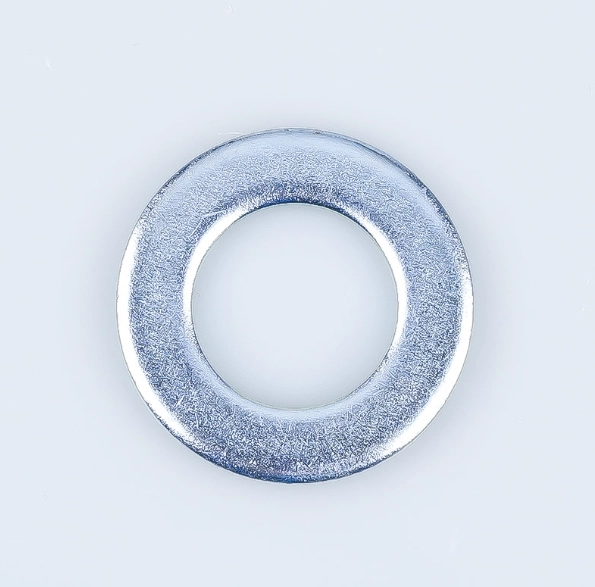
ISO 7089 para arruelas planas redondas de uso geral
A norma ISO 7089 é um excelente ponto de partida para muitos pedidos de arruelas planas métricas. Ela fornece aos compradores uma nomenclatura padrão clara para incluir em desenhos técnicos, pedidos de compra e arquivos de inspeção de entrada.
Qewit's Washer Round Flat ISO 7089 É fabricada em aço carbono, com opções de acabamento zincado ou com flocos de zinco, abrangendo tamanhos de M2,5 a M100. Para distribuidores e usuários de equipamentos, este tipo de arruela é útil quando precisam de uma arruela padrão para parafusos e porcas em diferentes grupos de produtos.
ISO 7092 para montagens de pequenas séries com espaço limitado
Nem todas as montagens têm espaço suficiente para um diâmetro externo maior. Em máquinas compactas, suportes, painéis ou pequenas áreas de contato, o tamanho da arruela pode afetar tanto o encaixe quanto a aparência.
Qewit's Small Series ISO 7092 Atende a esse tipo de requisito. O formato de série reduzida ajuda os compradores a manter a lavadora dentro de um espaço de projeto mais compacto, utilizando ainda uma referência ISO reconhecida. É uma opção prática quando a montagem não comporta um diâmetro externo maior.
Como os compradores devem escolher o material das arruelas de acordo com as condições industriais?
A seleção do material da arruela deve levar em consideração o ambiente de trabalho, as peças de acoplamento, a exposição à corrosão e o padrão de manutenção. O comprador também deve considerar se o conjunto será instalado apenas uma vez, removido com frequência, armazenado ao ar livre ou transportado por rotas úmidas.
O material não é apenas um item de preço. Ele afeta o comportamento da corrosão, o contato com a superfície, a sensação de aperto e o risco de serviço a longo prazo.
Arruelas de latão para conexões sensíveis à corrosão
As arruelas planas de latão são frequentemente escolhidas quando a resistência à corrosão e a aparência do material são importantes. Elas também podem ser úteis em montagens onde o aço carbono não é a opção preferida devido aos materiais circundantes ou ao ambiente de trabalho.
Para compradores que trabalham com equipamentos industriais leves, acessórios elétricos, ferragens decorativas ou conexões selecionadas sensíveis à corrosão, as arruelas planas redondas de latão DIN 125 Forma A da Qewit oferecem uma referência DIN clara, mantendo a especificidade da escolha do material.
Arruelas de aço carbono para fixação industrial geral
O aço carbono continua sendo uma escolha comum para máquinas em geral e fixações industriais, pois oferece um equilíbrio prático entre custo e resistência mecânica. É adequado para ambientes controlados ou onde o acabamento superficial proporciona a proteção contra corrosão necessária.
Para compras de arruelas em grande quantidade, os produtos de aço carbono ISO 7089 ou ISO 7092 são mais fáceis de gerenciar, pois a norma, a faixa de tamanhos, o material e o acabamento podem ser claramente especificados no pedido de compra.
Arruelas de aço inoxidável ou revestidas para exposição prolongada.
Em aplicações que envolvem umidade, transporte, armazenamento ou uso externo, o acabamento torna-se importante. Opções como zinco galvanizado, zinco lamelar, galvanização a quente ou aço inoxidável podem ser consideradas, dependendo das especificações do projeto.
O comprador deve evitar escolher o acabamento apenas pela aparência. Uma superfície brilhante não significa automaticamente maior resistência à corrosão. Pergunte qual o tipo de revestimento utilizado, se a espessura da camada pode ser verificada e se o teste de névoa salina é necessário para o seu projeto.
Quais detalhes do produto comprovam que uma lavadora é adequada para compra em grandes quantidades?
Para encomendas em grande quantidade, a máquina de lavar em si é apenas um dos fatores a considerar. O processo de inspeção do fornecedor, o método de embalagem e a capacidade de manter as mesmas especificações em todas as remessas são igualmente importantes.
Um bom trabalho de compras significa transformar cada requisito vago em um item verificável.
Faixa de tamanhos e dimensões dos furos
Uma arruela deve ser verificada quanto ao diâmetro interno, diâmetro externo e espessura. Essas dimensões afetam o encaixe, a distribuição da carga e a folga de montagem. Os produtos de arruelas DIN e ISO listados pela Qewit abrangem os tamanhos de M2,5 a M100, o que é útil para compradores que precisam de vários tamanhos de um único fornecedor.
Para pedidos mistos, é melhor enviar uma tabela de medidas ou um desenho em vez de apenas listar os tamanhos das linhas.
Acabamento superficial e resistência à corrosão
O acabamento da superfície deve ser adequado ao ambiente de armazenamento e operação. O revestimento de zinco pode ser adequado para muitos usos gerais. O zinco em flocos pode ser escolhido quando for necessária maior proteção contra corrosão ou melhor desempenho do revestimento. O aço inoxidável pode ser selecionado quando o próprio material base precisar de resistência à corrosão.
Para relatórios de teste de arruelas, os compradores podem perguntar se estão disponíveis verificações de espessura do revestimento, névoa salina ou dureza antes do envio.
Embalagens para uso em armazéns e distribuidores
A embalagem afeta o manuseio no armazém, a contagem e a precisão da entrega. A Qewit oferece opções de embalagens a granel e em caixas menores para seus produtos de lavagem. As embalagens a granel podem ser adequadas para usuários de produção que consomem peças rapidamente. As embalagens em caixas menores podem ser adequadas para distribuidores, equipes de manutenção ou clientes que precisam de armazenamento e manuseio mais fáceis para revenda.
Para pedidos repetidos, a embalagem deve ser confirmada com antecedência para que o próximo envio não gere trabalho extra de triagem.
Como a Qewit pode auxiliar na aquisição de lavadoras em conformidade com as normas?
Fazer um pedido de lavadoras torna-se mais fácil quando o fornecedor pode dar suporte tanto ao produto quanto à documentação. Isso é especialmente verdadeiro para compradores que fornecem para fábricas de máquinas, empreiteiras de projetos, distribuidores ou clientes de exportação.
O valor da Qewit não reside apenas na listagem de produtos DIN e ISO. Seu serviço também auxilia os compradores a reduzir as lacunas de especificações antes do envio.
Opções de lavadoras Qewitz recomendadas para diferentes necessidades
Para uso geral de arruelas planas métricas, escolha a Arruela Plana Redonda ISO 7089. Para montagens compactas com espaço de contato limitado, escolha a Arruela Plana Redonda Série Pequena ISO 7092. Para aplicações em latão sensíveis à corrosão, escolha as Arruelas Planas Redondas de Latão DIN 125 Forma A.
Este método de seleção é simples, mas evita um erro comum de compra: usar o mesmo tipo de arruela para todas as montagens.
Testes e documentação antes do envio
O suporte de testes da Qewit inclui ferramentas para dureza, espessura do revestimento, névoa salina, carga de prova, resistência à tração e verificação dimensional. Para os compradores, essas verificações são úteis antes do envio, pois os problemas com as arruelas geralmente são descobertos tardiamente, após as peças chegarem à linha de montagem.
Se o seu cliente precisar de rastreabilidade, solicite o certificado e o pacote de inspeção antes de confirmar o pedido.
Suporte ao cliente para pedidos personalizados e recorrentes
Alguns projetos exigem tamanhos não padronizados, acabamentos especiais, embalagens variadas ou fornecimento sob demanda recorrente. A Qewit oferece suporte a produtos personalizados, fornecimento, controle de qualidade, consolidação de mercadorias e comunicação técnica.
Se sua equipe não tiver certeza de qual padrão de arruela se adequa ao desenho, compartilhe a aplicação, o fixador de acoplamento, os requisitos de acabamento, o método de embalagem e as necessidades de inspeção por meio de contatoInformações claras desde o início podem evitar incompatibilidades de padrões, revestimentos incorretos e retrabalho desnecessário.
FAQ
P: Todas as lavadoras industriais precisam de certificação DIN ISO ou ASTM?
A: Nem todas as máquinas de lavar precisam de um certificado separado, mas a norma exigida deve ser clara. Para uso industrial, os compradores devem confirmar a norma, o material, o acabamento, as dimensões e quaisquer documentos de inspeção necessários antes de fazer o pedido.
P: Qual padrão de arruela plana é melhor para fixação métrica em geral?
A: A norma ISO 7089 é comumente usada para aplicações gerais de arruelas planas redondas. Se a montagem tiver espaço limitado, a série pequena da norma ISO 7092 pode ser mais adequada, pois foi projetada para requisitos de diâmetro externo menores.
P: O que os compradores devem verificar antes de fazer um pedido de máquinas de lavar em grande quantidade?
A: Verifique a norma, a gama de tamanhos, o material, o acabamento, o método de embalagem e os requisitos de documentação. Para arruelas utilizadas em projetos inspecionados, pergunte também sobre testes de dureza, verificações de revestimento, requisitos de névoa salina e certificação 3.1, caso seja necessária rastreabilidade.


