

KATEGORIEN
Können Maschinenschrouben jemals eine zuverlässige Wahl für Holzanwendungen sein
Veröffentlicht: 11. Dezember 2025
Kategorien: Neuigkeiten
Maschinenschrauben kommen in traditionellen Holzbearbeitungsdiskussionen selten vor, vor allem weil sich Holz anders verhält als Metall oder Kunststoff. Holzfasern komprimieren, verschieben und bewegen sich mit Feuchtigkeit, und das allein macht viele Bauherren vorsichtig, wenn es darum geht, sie mit Maschinenschrauben zu paaren. Trotzdem gibt es spezifische Situationen, in denen Maschinenschrauben eine beeindruckende Arbeit leisten - vor allem, wenn die Hardware, die Bohrmethode und das Schraubendesign alle zusammenarbeiten. Mit zunehmendem Markteintritt von technischen Holzprodukten wird die Frage für Hersteller und Lieferanten immer relevanter, die eine zuverlässige Befestigungsmethode wünschen, die bei wiederholtem Gebrauch stabil bleibt.
Qewitein Anbieter, der für präzise Befestigungsmittelbearbeitung und gleichbleibende Produktqualität bekannt ist, bietet Maschinenschrauben an, die sich an mehrere holzbezogene Aufstellungen anpassen können. Das Verständnis, wie diese Schrauben mit Holz interagieren, hilft zu klären, wann sie die richtige Wahl sind und wann eine Alternative besser ist.
Was macht Maschinenschrouben in Holz schwierig zu verwenden?
Bevor wir uns anschauen, wie Maschinenschrauben im Holz erfolgreich sein können, hilft es, die Haupthindernisse zu verstehen. Holz ist kein einheitliches Material; Ihre Fasern expandieren, kontraktieren und manchmal unter Druck zerkleinern. Dies bedeutet, dass eine für harte, vorhersehbare Metalle konzipierte Schraube zu aggressiv oder nicht genug beißen kann.
Begrenzte Gewindeeinbeziehung in weichen Fasern
Holzfasern sind lockerer als Metallfäden, so dass Maschinenschrauben oft nicht tief greifen. Das glatte, feine Gewinde einer DIN-Standard-Schraube ist nicht für weiche oder halbweiche Fasern geschaffen. Dadurch kann sich die Schraube drehen, ohne sich wirklich zu verriegeln. Dies ist einer der Gründe, warum ein Vorbohren des Lochs der richtigen Größe fast immer erforderlich ist, wenn Maschinenschrauben in Holz gehen.
Höheres Risiko von Pull-Out unter Last
Holzgelege verarbeiten Spannungen anders als Metallgelenke. Plötzliches Ziehen, Vibrationen oder wiederholte Bewegungen können dazu führen, dass eine Maschinenschraube sich selbst ausarbeitet, wenn es keine Verstärkung im Loch gibt. Diese Einschränkung wird in Regalsystemen, leichten Möbelteilen und oberflächenmontierten Komponenten sichtbar.
Notwendigkeit für vorgebohrte Löcher, um Spaltung zu verhindern
Maschinenschrauben schneiden ihren eigenen Weg nicht in Holz. Wenn sie direkt in eine dichte Hartholzplatte oder sogar bestimmte Weichholze gezwungen werden, kann das Ergebnis ein Riss entlang des Korns sein. Es ist ein genaues Pilotloch erforderlich, mit dem richtigen Durchmesser sowohl für den Schraubkern als auch für die Gewinde. Ohne diese Vorbereitung sinkt die Haltekraft der Schraube dramatisch.
Kann ein richtiges Schraubendesign die Leistung im Holz verbessern?
Auch bei den Herausforderungen können gut ausgewählte Schrauben dazu beitragen, das Gelenk zu stabilisieren. Die strukturellen Details der Schraube - Kopfform, Materialien und Oberfläche - beeinflussen, wie gut sie in Holz funktioniert. Diese Elemente helfen, die natürlichen Einschränkungen des Holzes zu kompensieren.
Optimierte Kopfgeometrie für besseres Sitzen
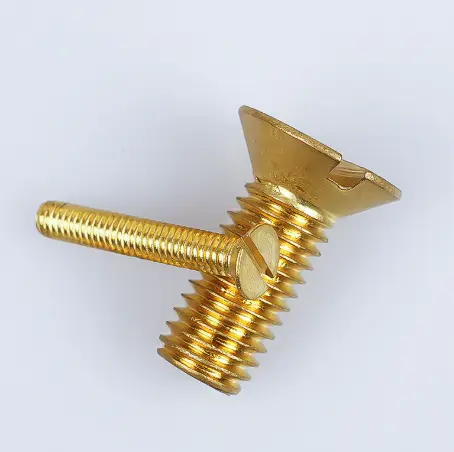
Das Kopfdesign beeinflusst, wie gut die Schraube auf der Holzoberfläche sitzt. von Qewit Messing Countersunk Kopf Schlitzmaschine Schrauben DIN 963 bieten ein sauberes, konisches Profil, das es der Schraube ermöglicht, nach dem Antrieb in einen vorbereiteten Sitz bündig zu sitzen. Eine flachere Oberfläche verteilt den Druck gleichmäßiger, was die Möglichkeit verringert, die umliegenden Fasern zu zerkleinern. Diese Struktur ist besonders nützlich für dekorative Holzverrichtungen und Schrankkomponenten, bei denen ein glattes Erscheinungsbild wichtig ist.
Materialauswahl zur Verbesserung der Haltbarkeit
Maschinenschrauben aus Messing oder Edelstahl handhaben die Innenfeuchtigkeit besser als einige Standard-Kohlenstoffstahl-Optionen. Messing eignet sich insbesondere für Holzainstallationen, die teilweise dekorativ und teilweise funktional sind. Seine natürliche Korrosionsbeständigkeit eignet sich für Innenholzkonstruktionen, kleine Möbelteile und auf Holz montierte elektrische Komponenten. Die Messingbefestigungen von Qewit bleiben auch in Umgebungen stabil, in denen der Feuchtigkeitsniveau schwankt.
Oberflächenverbindung, die Reibung und Griff unterstützt
Eine konsistente Oberflächenverbindung trägt zu einer reibungsloseren Installation bei, insbesondere bei der Arbeit mit engen Pilotlöchern. Qewit’ s Bearbeitungsgenauigkeit bietet eine Oberfläche, die Reibung und Gleiten ausgleichen - wichtig, um die Fasern am Eingangspunkt der Schraube zu vermeiden. Eine vorhersehbare Oberfläche hilft auch bei Feinverstellungen oder wiederholter Montage über die gesamte Lebensdauer des Produkts.
Akzeptieren bestimmte Holzanwendungen Maschinenschrauben?
Obwohl Holz nicht der natürliche Partner für Maschinenschrauben ist, gibt es praktische Szenarien, in denen sie besser als erwartet funktionieren. Die Schlüsselvariable ist, wie das Holzkomponent verwendet wird – ob es als Strukturverbindung, als Montagebasis oder als dekorative Oberfläche fungiert.
Möbelhardware und Dekorationsarmaturen
Viele Möbelarten enthalten Metallhalter, Scharniere und Platten, die Maschinenschrauben anstelle von Holzschrauben erfordern. Das reibungslose Engagement und das präzise Threading von Qewit Schlitz Gegensenkkopf Maschinenschrauben DIN 963 sind ein starkes Match für dekorative Holzstücke, wo sowohl Aussehen als auch Stabilität wichtig sind. Diese Schrauben unterstützen wiederholtes Straffen, was ein Bonus für verstellbare oder reparierbare Möbel ist.
Elektrische oder mechanische Komponenten auf Holzpanelen montiert
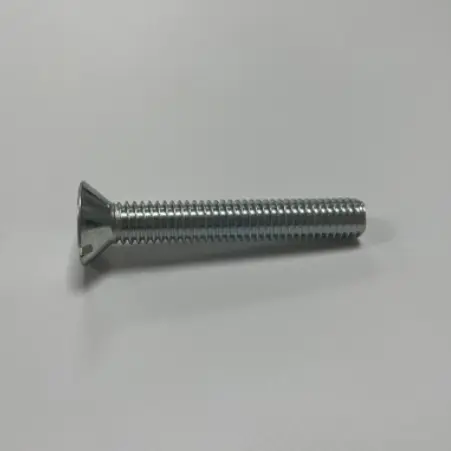
Holzplatten, die als Hinterplatten für elektrische Boxen, Schalter und leichte Maschinen verwendet werden, verlassen sich oft auf Maschinenschrauben für die Montage. von Qewit Schlitzkäsemaschinenschrauben DIN 84- mit ihrem runden, höheren Kopf - bieten einen breiten Kontakt an Hardwareoberflächen. Diese Form hilft, Druck auszubreiten und Faserschäden rund um den Eingangspunkt zu vermeiden. Es ist eine praktische Kombination für Wandbauteile, Verbindungsboxen, leichte mechanische Armaturen oder eingebettetes Zubehör aus Holz.
Tischerei Verstärkung mit Gewindeeinsätzen
Gewindeeinsätze verändern die Leistung von Maschinenschrauben in Holz. Wenn ein Einsatz in eine Platte oder einen Block eingebaut wird, interagiert die Maschinenschraube nicht mehr direkt mit den Fasern. Stattdessen greift es saubere Metallfäden an. Diese Verbesserung erhöht die Haltepleistung, verhindert das Ausziehen und ermöglicht es, die Schraube mehrmals zu entfernen und neu zu installieren. Für Anwendungen, die häufige Anpassungen oder Wartungen erleben, wird diese Kopplung besonders wertvoll.
Wie verändern Threaded Inserts das Spiel?
Gewindeinsätze verschieben die gesamte Diskussion. Sie bieten Maschinenschrauben mit der Umgebung, für die sie gebaut wurden - ein Metallgewindegehäuse - während der Rest der Struktur aus Holz bleibt. Dadurch wird der Stress besser verteilt und das Gelenk wird vorhersehbarer.
Metalleinsätze mit starken Innengewinden
Sobald ein Einsatz in das Holz gelegt wurde, hat die Maschinenschroube einen konsistenten, zuverlässigen Gewindeweg. Dies beseitigt den größten Nachteil der Verwendung von Maschinenschrauben direkt in Holz: den schwachen Fasergriff. Metallfäden behalten auch nach wiederholtem Spannen ihre Form, was die Langlebigkeit der Verbindung unterstützt.
Konsistente Drehmomentsteuerung und Wiederholbarkeit
Mit einem eingebauten Einsatz bekommen die Bauer eine bessere Kontrolle über das Drehmoment. Die Schraube sitzt genauer, und der Installateur riskiert nicht, die Holzfasern zu weit zu zerkleinern. Dies verbessert die Wiederholbarkeit, was für industrielle Holzgehäuse, modulare Strukturen und kundenspezifische Fertigungsaufgaben wichtig ist, bei denen Konsistenz über mehrere Einheiten hinweg gefordert wird.
Verlängerte Lebensdauer für Hochfrequenz-Montagepunkte
Einige Holzprodukte – Stande, Modulplatten, technische Gehäuse – müssen von Zeit zu Zeit demontiert und neu aufgebaut werden. Eine Maschinenschraube, die mit einem Einsatz verwendet wird, steht diesen Zyklen gut stand. Der Einsatz schützt den Schraubkanal vor Verschleiß und ermöglicht es dem Gelenk, viel länger zu arbeiten als einer, der sich allein auf Holzfasern verlasst.
Sind Qewit Maschinenschrauben für Holz geeignet?
Obwohl Maschinenschrauben keine universellen Befestigungsmittel für Holz sind, lösen sie spezifische Herausforderungen, bei denen Präzision, Wiederholbarkeit und Oberflächenverbindung wichtiger sind als aggressive Ausziehbeständigkeit. Die Produktlinie von Qewit sorgt für einen Mehrwert in diesen gezielten Anwendungen dank ihrer Bearbeitungsgenauigkeit und konsistenten Qualität.
Präzisionsmessingschrauben für detailorientierte Holzprojekte
Qewits Messingsschrauben DIN 963 eignen sich gut für detaillierte Holzbearbeitungsaufgaben - Beschichtungen, handgefertigte Dekorationsteile und leichte Inneneinrichtungen. Ihr Messingmaterial bietet Stabilität in Umgebungen, in denen Holz sich das ganze Jahr über leicht ausdehnt und zusammenzieht.
Stabile Spannung für montierte Hardware-Komponenten
Schwere Hardware-Stücke, die auf Holz montiert werden, erfordern oft eine Schraube, die ihre Form behält und sich nicht leicht abzieht. Die Schlitzkäsemaschinenschrauben DIN 84 von Qewit bieten eine stabile Druckverteilung und eine zuverlässige Ausrichtung mit Metallkomponenten, die sowohl elektrische als auch mechanische Platten unterstützen.
Flush-Fit Lösungen für saubere, ästhetische Oberflächen
Für Holzprojekte, bei denen der Schraubenkopf auf Ebene mit der Oberfläche sitzen muss, Qewit’ s Schlitzschrauben DIN 963 geben ein ordentliches, niedrigprofiliertes Aussehen. Ihre saubere Bearbeitung und gleichmäßige Schlitze unterstützen eine einfache Installation, die dazu beiträgt, Oberflächennarben oder ungleichmäßige Sitzungen zu vermeiden.
FAQ (häufig gestellte Fragen)
Q1: Können Maschinenschrauben direkt in Massivholz ohne Einsätze verwendet werden?
A: Sie können, aber die Haltefestigkeit ist in der Regel begrenzt. Ein Pilotloch ist notwendig, und das Gelenk funktioniert besser in spannungsarmen Anwendungen.
Q2: Sind Messingmaschinenschrauben stark genug für Möbelarbeit?
A: Messingschrauben sind für dekorative oder leichte mechanische Möbelaufgaben geeignet. Bei schwereren Lasten verbessert die Kopplung mit Gewindeeinsätzen die Leistung.
Q3: Lösen sich Maschinenschrauben leichter im Holz als Holzschrauben?
A: In den meisten Fällen ja. Holzschrauben greifen Fasern aggressiver an. Maschinenschrauben funktionieren am besten, wenn sie mit Metalleinsätzen kombiniert oder in Hardwareanwendungen verwendet werden.


