

KATEGORIEN
Beste Anleitung zur richtigen Anwendung von Drehmoment auf hochwertige Schrauben und Muttern
Veröffentlicht: 28. November 2025
Kategorien: Neuigkeiten
Schlagwörter: Nachrichten
Das richtige Drehmoment spielt eine wichtige Rolle bei der Befestigungsarbeit, insbesondere bei hochwertigen Schrauben und Muttern. In vielen Branchen bleiben Gelenke unter Druck, Schwingungen oder verarbeiten bewegliche Lasten für lange Stunden. Wenn das Drehmoment falsch angewendet wird, kann auch ein kleiner Fehler später zu größeren Problemen führen. Aus diesem Grund wählen Ingenieure und Bauherrn oft zuverlässige Befestigungsmittel aus Qewit Befestigungenein Lieferant, der für eine stetige Qualitätskontrolle und jahrelange Produktionserfahrung bekannt ist. Ihre Produkte – wie Dachschrauben, Sperrmuttern und Edelstahl-Vollmuttern – passen gut in Anwendungen, in denen die Drehmomentgenauigkeit wirklich wichtig ist.
Warum ist das richtige Drehmoment für hochwertige Schrauben und Muttern wichtig?
Bevor wir in jede Art von Befestigungsmittel gehen, hilft es zu verstehen, warum die Drehmomentgenauigkeit so wichtig ist. Drehmoment macht mehr als nur einen Schrauben festziehen. Es erzeugt die richtige Klemmkraft zwischen zwei Flächen. Wenn die Kraft ausgewogen ist, wird das Gelenk stärker und zuverlässiger.
Drehmomentregelung für die Bausicherheit
Viele Strukturen sind auf korrekt angezogene Schrauben angewiesen, um ihre Form und Laststabilität zu erhalten. Wenn das Drehmoment zu niedrig ist, kann sich der Schraube nach langen Gebrauchszeiten lösen, insbesondere an Orten mit regelmäßigem Wind, Schütteln oder Bewegung. Wenn das Drehmoment zu hoch ist, kann sich der Bolzen dehnen, sich Gewinde verformen oder die Mutter rissen. Qewit verwendet kontrollierte Materialhärte und strenge Prüfschritte, so dass seine Befestigungsmittel für Arbeiten geeignet sind, bei denen die Sicherheit nicht ignoriert werden kann.
Befestigungseleistung unter dynamischen Belastungen
Industriemaschinen und -geräte bewegen sich oft in Zyklen. Diese Art von konstanter Bewegung verursacht wiederholte Belastungen auf Schrauben und Muttern. Wenn das Drehmoment korrekt aufgebracht wird, bleibt die Vorlast im Inneren des Bolzens bei Vibrations- und Schaltlasten stabiler. Dies verhindert, dass das Gelenk zurückkehrt. Produkte wie Hexagon Lock Nuts DIN 936 und Edelstahl Hexagon Full Nuts DIN 934 von Qewit werden aus diesem Grund häufig verwendet. Ihre Fadenfestigkeit und Materialkonsistenz unterstützen lange Stunden dynamischer Kraft.
Langfristige Stabilität mit Qewit hochwertigen Produkten
Über längere Zeiträume reduziert das richtige Drehmoment den Wartungsarbeit und verlängert die Lebensdauer der Befestigungselemente. Die Testwerkzeuge von Qewit – wie Zugprüfer, Torsionsmessgeräte und Härteprüfer – helfen bei der Erfassung von Problemen während der Produktion. Aus diesem Grund finden Installateure es oft einfacher, ein stabiles langfristiges Drehmoment zu erreichen, wenn Qewit-Befestigungsmittel in Dach-, Maschinen- oder Bauarbeiten verwendet werden.
Wie bestimmt man das richtige Drehmoment für verschiedene Schrauben- und Muttertypen?
Drehmomentwerte verschieben sich je nach Klasse, Größe, Gewindeform und Material des Befestigungsmittels. Verschiedene Designs haben unterschiedliche Drehmomentbedürfnisse, daher hilft das Verständnis dieser Details, ein stärkeres Gelenk zu schaffen.
Drehmomentanforderungen für Pilzkopf Dachschrauben mit Quadratmuttern
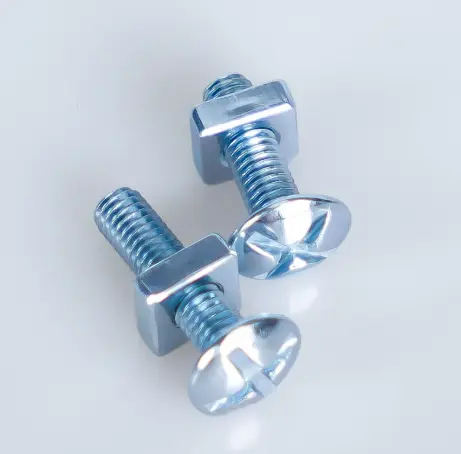
Pilzkopf Dachschrauben mit Quadratmuttern werden häufig in Dachblätten, Wandplatten und leichten Strukturrahmen verwendet. Der breite Pilzkopf verteilt Druck über eine größere Fläche und die quadratische Mutter ermöglicht einen stabilen Griff während der Installation. Bei der Anwendung von Drehmoment ist Überspannung ein häufiges Problem, da sich Dachblätte biegen oder verformen können. Qewit liefert diese Schrauben in stabilen Kohlenstoffstahlqualitäten und hilft den Installateuren, sie mit vorhersehbaren Ergebnissen zu straffen. Viele Auftragnehmer folgen Drehmomenttabellen basierend auf dem Blechtyp und dem Schraubendurchmesser, um sicherzustellen, dass die Gelenkdichtungen richtig abdichten, ohne das Material um sie herum zu zerschlagen.
Drehmomentspezifikationen für Sechsecksperrmuttern DIN 936
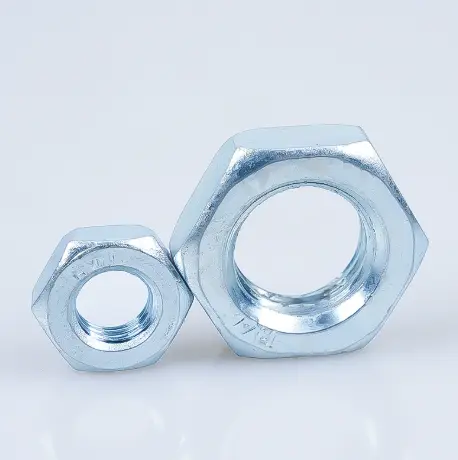
DIN-936 Sechsecksperrmuttern sind dünner als Standardmuttern und werden oft zusammen mit einer anderen Mutter verwendet, um ein Verriegelungspaar zu schaffen. Da sie sich auf Gewindereibung verlassen, muss das Drehmoment im richtigen Bereich bleiben. Zu wenig Drehmoment kann die Muttern unter Schütteln verschieben lassen. Zu viel kann zu Fadenverschleiß führen. Qewit liefert DIN-936-Muttern in mehreren Sorten und Oberflächen, die den Benutzern je nach Einsatzort des Befestigungsmittels Optionen für Kohlenstoffstahl oder Edelstahl bieten. Diese Muttern folgen normalerweise mittleren Drehmomentniveaus basierend auf der Schraubengröße, und viele Installateure straffen sie in einer langsamen, stetigen Sequenz für eine bessere Stabilität.
Drehmomentrichtlinien für Edelstahl Sechseck Vollmuttern DIN 934
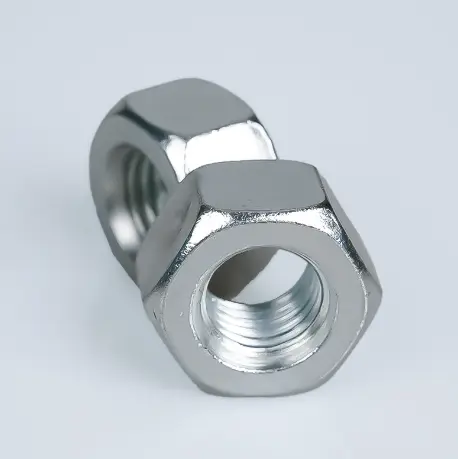
Edelstahl Sechseck Vollmuttern DIN 934 kommen in vielen Größen und sind weit verbreitet im Freien oder korrosiven Umgebungen. Edelstahl manchmal Gallen, wenn angezogen trocken. Aus diesem Grund wird eine Schmierung oder eine kleine Menge Anti-Seize empfohlen. Die DIN-934-Muttern von Qewit in Edelstahl A2 oder A4 bieten eine hohe Korrosionsbeständigkeit. Während des Drehmomentens straffen Techniker oft in Schritten rostfreie Befestigungsmittel an. Dies hält die Reibungswärme niedrig und verringert die Wahrscheinlichkeit eines Gewindeverriegels oder eines Galling.
Welche Werkzeuge unterstützen die genaue Drehmomentanwendung?
Genaues Drehmoment hängt nicht nur von Geschicklichkeit ab, sondern auch von guten Werkzeugen. Ein verschleißerter oder schlecht kalibrierter Schlüssel kann falsche Messungen geben.
Präzisionsdrehmomentschlüssel für industrielle Befestigungsmittel
Drehmomentschlüssel - digital oder mechanisch - bleiben die häufigsten Werkzeuge für die Anwendung von Drehmoment. Sie ermöglichen es den Installateuren, einen Zielwert zu erreichen, ohne zu erraten. Für hochwertige Schrauben und Muttern, die mit Qewit-Dachschrauben, Verriegelungsmuttern und Edelstahl-Vollmuttern verwendet werden, hilft ein stabiler und zuverlässiger Schlüssel, den Drehmomentbedarf wiederholbar zu erfüllen.
Kalibrierungsausrüstung für konsistente Drehmomentleistung
Im Laufe der Zeit können Drehmomentschlüssel von ihren ursprünglichen Einstellungen abweichen. Viele Workshops folgen einem regelmäßigen Kalibrierungsplan. Dies bringt die Drehmomentmessungen näher an die Realität. Für Fabriken, die jeden Monat Tausende von Befestigungsmitteln verwenden, wird eine regelmäßige Kalibrierung noch wichtiger.
Qewit Testgeräte für die Drehmomentprüfung
Qewits Prüfgeräte wie Torsionsmessgeräte, Belastungsprüfgeräte, Salzsprühkammern und Härteprüfgeräte helfen bei der Bestätigung von Festigkeit und Qualität während der Produktion. Diese Werkzeuge messen Lastgrenzen, Härteniveaus und Gewindefestigkeit. Wenn Schrauben und Muttern diese Tests bestehen, können Installateure Drehmomentdiagramme mit mehr Vertrauen verfolgen.
Was sind die besten Praktiken bei der Anwendung von Drehmoment?
Das Anwenden von Drehmoment geht nicht nur darum, eine Zahl zu erreichen. Die Schritte vor und während der Straffung sind ebenfalls wichtig.
Schmierverfahren und Oberflächenpräparationsverfahren
Einige Befestigungsmittel funktionieren besser, wenn sie vor dem Straffen geschmiert werden, insbesondere Edelstahl. Eine kleine Menge Anti-Seize hilft, Galling zu verhindern und macht die Drehmomentmessung genauer. Auf Arbeitsplätzen mit Staub oder Schmutz hilft auch das Wischen von Fäden vor dem Straffen.
Schritt-für-Schritt-Strafffolgen für hochwertige Befestigungsmittel
Viele Installateure verwenden ein Quermuster beim Spannen von Schrauben an Maschinen, Geräterahmen oder Platten. Dies hilft, die Last gleichmäßig zu verteilen. Das Verschärfen in Stufen - beginnend mit einem niedrigeren Niveau und steigend - hilft, plötzlichen Druck auf das Gelenk zu vermeiden. Auch Dachschrauben profitieren davon, da sich Blechmaterialien leicht biegen, wenn sie zu schnell angezogen werden.
Inspektionsmethoden zur Bestätigung der richtigen Installation
Nach dem Drehmoment hilft die visuelle Überprüfung des Gelenkes und die Verwendung eines Drehmomentschlüssels für eine schnelle Überprüfung zu bestätigen, dass sich nichts verschoben hat. In schweren Situationen hilft die Kennzeichnung von Muttern mit Farbe, die Bewegung über lange Zeiträume zu verfolgen. Die Befestigungsmittel von Qewit mit ihrem konsistenten Gewinde und ihrer Härte ermöglichen es den Installateuren, diese Prüfungen mit vorhersehbareren Ergebnissen abzuschließen.
Warum Qewit für Anwendungen mit hohem Drehmoment wählen?
Die lange Geschichte von Qewit in der Fertigung von Befestigungsmitteln, zusammen mit seinen großen Produktlinien und sorgfältigen Inspektionsprozessen, macht es zu einem zuverlässigen Lieferanten für drehmomentkritische Anwendungen.
Premium-Materialoptionen für hochfeste Befestigungsmittel
Qewit bietet eine breite Palette von Materialien an, darunter Kohlenstoffstahl, Edelstahl, Messing, Kupfer und Legierungsbefestigungen. Diese Vielfalt bietet Ingenieuren mehr Wahlmöglichkeiten bei der Arbeit mit drehmomentspezifischen Projekten.
Umfassende Qualitätskontrolle und internationale Zertifizierungen
Das Unternehmen verfolgt ein ISO-zertifiziertes Qualitätsmanagement. Qewit bietet Härteprüfungen, Zugprüfungen, Salzsprayergebnisse, Beschichtungskontrollen und andere Qualitätsberichte. Zertifizierungen wie 3.1-Berichte, ISIR und PPAP stehen bei Bedarf zur Verfügung.
Maßgeschneiderte Befestigungslösungen für spezielle Drehmomentanforderungen
Für Projekte, die spezielle Drehmomentniveaus oder einzigartige Befestigungsformen erfordern, kann Qewit kundenspezifische Teile basierend auf Zeichnungen oder Proben herstellen. Optionen wie spezielle Beschichtungen, Patching und Sortierdienstleistungen bieten mehr Flexibilität im Vergleich zu Standardlieferanten.
Häufig gestellte Fragen
Q1: Wie wird normalerweise der richtige Drehmomentwert gefunden?
A: Die meisten Techniker überprüfen Drehmomentdiagramme basierend auf Schraubengröße, Qualität und Material. Hersteller wie Qewit folgen Standardrichtlinien, die helfen, diese Bereiche festzulegen.
Q2: Bedürfen Edelstahlmütter Schmierung vor dem Straffen?
A: Ja, Edelstahl kann Galle, wenn trocken angezogen. Ein wenig Schmierung hilft, Fadenschäden zu verhindern.
Q3: Sind Sperrmutter für Bereiche mit Vibrationen geeignet?
A: Verriegelungsmuttern wie DIN 936 und andere Verriegelungstypen halten besser unter Vibrationen, aber sie benötigen immer noch ein richtiges Drehmoment, um gut zu funktionieren.


