

KATEGORIEN
Warum Ihre Schrauben alte Ziegel knacken und wie können Sie es verhindern
Veröffentlicht: May 14, 2026
Kategorien: Neuigkeiten
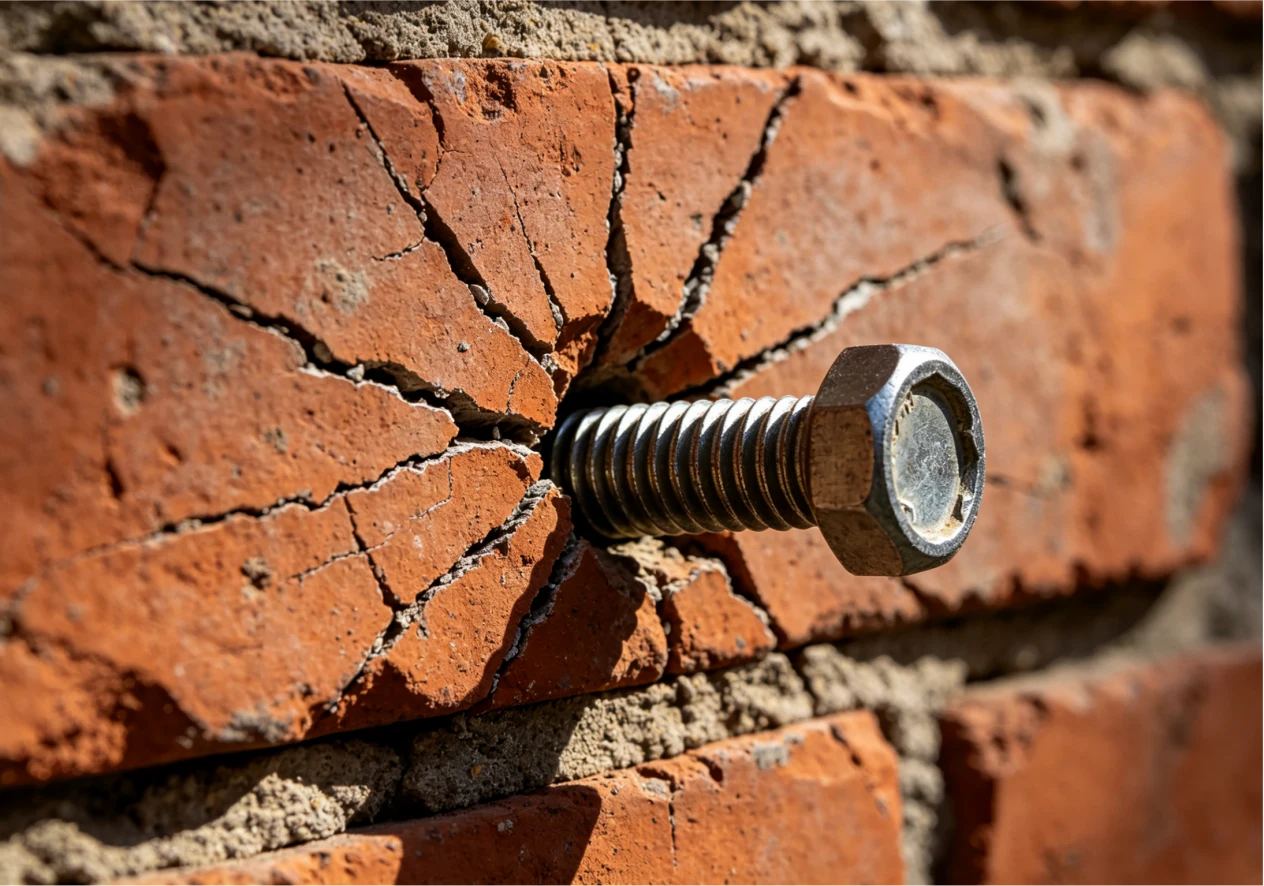
Der Umgang mit zerbrechlichen Gegenständen kann schwierig erscheinen, wie vorsichtig um zarte Schalen herum zu treten. Wenn Sie Schrauben in eine Wand aus Ziegeln aus vor hundert Jahren oder in trockenes, abgenutztes Holz einfügen, ist dieser scharfe Klappgeräusch etwas zu vermeiden. Ein solcher Schaden tritt auf, weil die innere Spannung vom Stecker über die Basis hinausgeht’ S halten Stärke. Für ein sauberes Ergebnis hilft es, die Werkzeuge mit der genauen Dicke und Schwäche der Oberfläche zu paaren.
Bevor Sie sich die praktischen Lösungen ansehen, sollten Sie zunächst die Zuverlässigkeit in Betracht ziehen. Wenn ungleiche Standards und Lieferprobleme Sie frustrieren, verbinden Sie sich mit Qewiteine britische Expertenfirma, die 2004 gegründet wurde. Sie gehen über grundlegende Lieferanten hinaus, indem sie solide westliche Regeln mit erschwinglicher östlicher Produktion verbinden. Von starken Schrauben bis hin zu kundenspezifischen ungeraden Stücken oder strengen ISO 9001-Kontrollen bietet ihr Personal einen reibungslosen Service, der Projekte von der Herstellung zu den Regalen problemlos führt.
Warum führt die Installation von Schrauben in altertem Mauerwerk zu Oberflächenracken?
Die strukturelle Zerbrechlichkeit von verwetterten Materialien
Ziegel und Füllstoff aus langer Zeit verlieren ihre Biegung nach Jahren des Wetters. Neuer Beton hält den Druck gut, aber alte Wände werden innen schwammig, während sie außen steif bleiben. Wenn Sie einen Steckverbinder eindrücken, verschiebt sich das Ding herum und baut einen nach außen gerichteten Schub auf, den das verschleißte Setup nicht einnehmen kann, so dass die Form sofort aufgespalten wird.
Spannungsverteilungsfehler durch übergroße Befestigungselemente
Die Auswahl eines zu großen Steckverbinders für das Führungsloch - oder das Überspringen des Bohrers - führt zu Hauptproblemen. Der zur Bewegung des Wandmaterials erforderliche Schub übersteigt oft die Zugfestigkeit in der Nähe. Deshalb schwere Betonschrauben für veraltete Mauermaterial; Diese speziellen Gegenstände schneiden ihre eigenen Wege in die Wand ohne die große Ausbreitungskraft der üblichen Keilhalter.
Inkompatibilität zwischen Standard-Schraubgewinden und spröden Substraten
Regelmäßige Fäden haben normalerweise einen Abstand zu nah für schwache Basen. Ein enger Faden funktioniert wie ein Splitter anstelle eines Schneiders und zerstört den Ziegel’ s inneren Aufbau. Solide Wandverbinder verwenden einen größeren Abstand, um eine feste “ Schloss Form” Innerhalb des Betons oder Ziegels.
Wie können Sie die besten Schrauben für sprödes Holz auswählen, um Spaltung zu verhindern?
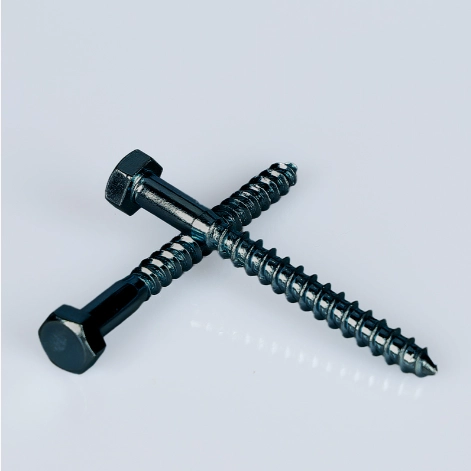
Auswahl von Carbon Steel Hexagon Head Coach Schrauben DIN 571
Die Arbeit mit dicken Stöcken oder zerbrechlichem Holz erfordert einen Steckverbinder, der einen starken Griff sowie eine sanfte Einführung bietet. Die Kohlenstoffstahl Sechseckkopfschrauben DIN 571 passen diese schweren Fälle gut. Die sechsseitige Oberfläche ermöglicht es Ihnen, viel Drehkraft mit einem Werkzeug oder einem Halter zu verwenden, so dass die Schraube gleichmäßig voranschreitet, ohne die Oberfläche zu beschädigen oder die Holzstränge zu belasten.
Umsetzung des Tail-Cutting Designs zur Reduzierung des Innendrucks
Der Schlüssel zum Stoppen von Holzbrüchen kommt aus dem “ tail-cut” oder geschlitzte Spitzenaufbau. Dieses Teil lässt die Schraube sich wie ein Bohrer verhalten und schneidet Holzstränge, anstatt sie auseinander zu schieben. Es räumt ein bisschen Material auf dem Weg hinein, was den Seitenschub senkt, der oft schwache Bretter bricht.
| Eigenschaften | Standard Holzschraube | Schneidschraube (DIN 571) |
|---|---|---|
| Eintrittsmethode | Verschiebung (Schiebfasern) | Schneiden (Scheiben Fasern) |
| Interner Stress | Hoch (wahrscheinlich zu spalten) | Niedrig (verhindert Rissen) |
| Gewindetyp | Fein/variable | Grob/tief |
| Typischer Grad | 4.8 oder niedriger | 4,8/8,8 Kohlenstoffstahl |
Optimierung des groben Gewindeeingriffs für maximale Halteleistung
Bei schwachem Holz enthalten die besten Schrauben für sprödes Holz, um Spaltungen zu verhindern, oft raue Gewinde. Raue Fäden verwenden größere Lücken, so dass sie mehr Substanz greifen und besser in weichem oder ziemlich hartem Holz halten. Diese Einrichtung hält die Verbindung auch in schüttelndem Material über Zeiträume hinweg stabil.
Welche Rolle spielen hohe Drehmoment Socket Schrauben für zerbrechliches Material Befestigung?
Präzisionssteuerung über Hexagon Socket Cap Schrauben DIN 912
In genauen Fabrikarbeiten, in denen empfindliche Teile zu einem Fundament beitragen, Sechseck Socket Cap Schrauben DIN 912 Die runde Spitze und der innere sechsseitige Schlitz ermöglichen es Ihnen, in engen Stellen zu arbeiten, während Sie einen ordentlichen, flachen Look behalten.
Minimierte Cam-Out-Risiken für eine konsistente Tiefeneinstellung
Gewöhnliche Kreuz- oder Schlitztops rutschen oft heraus, was den Stecker oder die schwache Basis schädigt. Die Wahl hoher Drehmomentschrauben für die Befestigung fragiler Materialien reduziert diese Gefahr. Der innere sechsseitige Schlitz entspricht dem Werkzeug eng, so dass Sie die Basis’ s drücken klar, was beim Umgang mit alterten Wänden oder schlanken Holz wichtig ist.
Hohe Zugfestigkeit in komplizierten Montageprojekten
Zerbrechliche Setups erfordern immer noch solide Stärke. Diese Steckverbinder kommen in starken Zugqualitäten wie 8,8, 10,9 oder 12,9. Dadurch kann ein dünnerer Stecker mit der Leistung eines größeren Pins übereinstimmen, was die Marke schrumpft und die Spaltrisiken in der Basis senkt.
Sind korrosionsbeständige Schrauben für die Installation von Ziegelwand im Freien notwendig?
Langfristiger Schutz mit selbstklebenden Bohrschrauben DIN 7982F
Außeneinstellungen verschleißen Steckverbinder hart ab. Um Gegenstände an einer äußeren Ziegelfläche zu befestigen, wählen Sie Teile aus, die dem Wetter standhalten. Die Selbstschraubende Bohrschrauben DIN 7982F geben Sie eine gesunkene Oberfläche für ein glattes Ende und eine spitze Spitze, die Metall-zu-Wand- oder Metall-zu-Holz-Aufgaben einfach verwaltet.
Erweiterte Oberflächenbehandlungsoptionen einschließlich Heißverzinkt und Geomet
Um korrosionsbeständige Schrauben für die Installation von Ziegelwänden im Freien jahrelang zu halten, denken Sie an die Außenschicht. Grundzinkbedeckung gibt einfachen Schutz, aber für echte Dauerhaftigkeit wählen Sie spezielle Schichten.
| Beschichtungstyp | Korrosionsbeständigkeit (Salzspritztest) | Bester Anwendungsfall |
|---|---|---|
| Elektro-verzinkt | ~ 48-72 Stunden | Indoor, niedrige Luftfeuchtigkeit |
| Heißverzinkt | ~ 500-1000 Stunden | Outdoor, schwere Industrie |
| Geomet / Dacromet | ~ 1000 Stunden | Automobil, High-End-Bau |
| Gelber Zink | ~ 96 Stunden | Grundlegender Außenschutz |
Zuverlässige Leistung unter feuchten oder rauen Umgebungsbedingungen
Ein Stecker, der rostet, schwellt auf, was zu “ Rost drücken” das den alterten Ziegel im Laufe der Zeit spalten kann. Die Wahl von Steckverbindern mit Top-Level-Abdeckungen, wie in der Automobilherstellung, verhindert, dass der Rostbau die Basis schädigt.
Welcher Vorbohrdurchmesser für Betonschrauben in alten Ziegel ist optimal?
Strenge Einhaltung technischer Spezifikationen und Bohrbuttverhältnisse
Das Raten der Lochmessung funktioniert nicht mit Wandbasen. Ein enges Loch erfordert zu viel Drehung, um die Schraube einzusetzen, was die Oberseite brechen oder die Ziegelseite platzen könnte. Ein loser bedeutet, dass Fäden nicht halten können. Überprüfen Sie das Infoblatt für den richtigen Vorbohrdurchmesser für Betonschrauben in alten Ziegeln vor Beginn.
Einsatz technischer Unterstützung für eine genaue Lochmessung
Vertrauenswürdige Anbieter bieten mehr als Pakete; Sie teilen die Details, um Ihre Arbeit zu unterstützen. Angesichts unklarer Druckniveaus in einer alten Struktur oder der Suche nach Tipps auf Schrauben für eine bestimmte Metallmischung garantiert die fachliche Hilfe, dass die Einrichtung von Anfang an korrekt funktioniert.
Verwendung von Schwerbetonschrauben für die Stabilisierung des alternden Mauerwerks
Bei der Schlüsselstrukturstabilisierung zeichnen sich schwere Betonschrauben für veraltetes Mauerwerk als oberste Wahl aus. Diese Steckverbinder stehen Tests auf Belastungs- und Zugfestigkeit an speziellen Stellen vor, um zu bestätigen, dass sie veränderte Kräfte in aktuellen Gebäuden bewältigen, ohne in schwachen Basen zu brechen.
FAQ (häufig gestellte Fragen)
F: Kann ich Standard-Selbstbohrschrauben aus alten Ziegeln verwenden?
A: Nein. Selbstbohrende Schrauben sind für Metall konzipiert. Für Ziegel müssen Sie Betonschrauben verwenden, die eine hohe Härte und eine spezifische Gewindegeometrie haben, um ein Rissen des Materials zu vermeiden.
F: Warum ist “ Wasserstoffversprödung” eine Sorge um hochfeste Schrauben?
A: Wenn hochfester Stahl (über 1000 MPa) bestimmten Wärmebehandlungen oder Beschichtungen unterzogen wird, kann Wasserstoff in das Metall eindringen, was es brüchig und anfällig für plötzliche Ausfälle unter Spannung macht. Professionelle Lieferanten führen spezifische Tests durch, um dieses Risiko zu mindern.
F: Was ist der Vorteil eines “ countersunk” Kopf in fragilen Materialien?
A: Ein versenkter Kopf (wie DIN 7982) ermöglicht es dem Befestigungsmittel, bündig mit der Oberfläche zu sitzen, was ästhetisch angenehm ist und verhindert, dass der Kopf an anderen Gegenständen klemmt. Allerdings müssen Sie das Loch vorsichtig in sprödes Holz versenken, um zu vermeiden, dass die Kanten gespalten werden.
Engagement für Qualität & Globaler Service
Die Auswahl des richtigen Steckverbinders beinhaltet mehr als Größen; Es basiert auf dem Glauben, wie Gegenstände hergestellt werden. Von Einzelkontrollen bis hin zu intelligenter Sortierhilfe besteht das Ziel darin, bessere Waren bereitzustellen. Mit über 30.000 Artikeltypen und Optionen, verschiedene Waren in einer Lieferung zu gruppieren, kommen reibungsloser Ablauf und niedrigere Kosten mit jeder Anfrage.


