

KATEGORIEN
Warum Schraubenfehler selten über Stärke sind - die versteckte Verbindung zum Lösen
Veröffentlicht: Januar 01, 2026
Kategorien: Neuigkeiten
Wenn ein kritischer Schraube auf eine schwere Maschine knüpft, ist die Darmreaktion für die meisten Wartungsteams, das Material schuld zu machen. Wir schauen auf die gebrochenen Stücke und gehen davon aus, dass der Schraube war’ t stark genug oder das “ Metallmüdigkeit” Es ist eine logische Vermutung, aber in der Welt der Hochleistungsbefestigung ist es oft ein Fehler.
Bei QewitWir haben unzählige Fälle gesehen, in denen die Umstellung auf einen dickeren oder höheren Schrauben nicht ’ t den Bruch stoppen. Und warum? Denn der wahre Täter ist’ t die Zugfestigkeit des Stahls; es ist die Tatsache, dass der Schraube begann sich abzuziehen. In der Befestigungsindustrie haben wir ein Sprichwort: “ Ein Schrauben, der sich nicht löst, bricht nicht. ” Sobald Sie verstehen, dass das Lösen des Threads tatsächlich die Ursache fast jeder “ Müdigkeit” Bei Ausfällen ändert sich Ihr Ansatz zur Wartung von Geräten für immer.
Der Mythos des schwachen Stahls
Wenn Sie einen Standard-Hochfestigkeitsbolzen M20x80 (Klasse 8,8) nehmen, wiegt er fast nichts - vielleicht 0,2 kg. Trotzdem beträgt seine minimale Zuglast etwa 20 Tonnen. Das ist etwa das 100.000-fache ihres eigenen Gewichts. In den meisten realen Anwendungen hält dieser Schraube nur eine Komponente, die einen Bruchteil dieser Kapazität wiegt. Selbst bei den dynamischen Kräften einer laufenden Maschine verwenden Sie selten mehr als 1% des Schraubens. s tatsächliche Bruchkraft.
Also warum knallt es immer noch? Es liegt nicht daran, dass die Last den Bolzen überschritten hat’ s Kapazität. Stattdessen tritt der Fehler auf, weil die Verbindung ihre “ Dichtheit” zuerst. Wenn ein Schrauben richtig vorgespannt ist, wirkt er wie eine steife Feder, die zwei Teile zusammenhält. Solange diese Spannung bleibt, bewegen sich der Schraube und die Teile als eine Einheit. Aber sobald die Spannung abnimmt, auch nur um ein geringes Maß, ändert sich alles sofort.
Warum Müdigkeit oft eine falsche Diagnose ist
Wenn wir einen gebrochenen Schrauben analysieren, sieht die Frakturfläche oft genau wie ein klassischer Ermüdungsversag aus. Dies führt dazu, dass Ingenieure Wochen damit verbringen, Vibrationszyklen und Spannungsgrenzen zu berechnen. Doch Labortests erzählen eine andere Geschichte. Bei Querschwingungstests kann ein Standardbefestigungsmittel in nur 100 Zyklen losschütteln. Vergleichen Sie das mit einem Müdigkeitstest, der normalerweise über eine Million Zyklen erfordert, um eine Pause zu verursachen.
Diese Lücke ist enorm. Dies bedeutet, dass sich ein Schrauben 10.000 Mal schneller löst, als er müde wird. Wenn ein Schrauben los ist, macht er seine Arbeit nicht mehr. Die Teile, die sie halten sollen, beginnen sich zu verschieben und schaffen winzige Lücken. Hier beginnt der echte Schaden.
Die Rolle der kinetischen Energie bei Boltschäden
Sobald ein Faden locker wird, den Schrauben ist nicht mehr nur ein statisches Befestigungsmittel; es wird zu einem Ziel für kinetische Energie. Denken Sie daran so: Wenn Sie einen Hammer gegen einen Nagel halten und schieben, passiert nichts. Aber wenn Sie den Hammer aufrücken und ihn schwenken, ist der Einfluss enorm.
Ein loser Schraube ermöglicht eine “ Lücke” (v²). Wenn die Maschine vibriert oder sich verschiebt, wird der Schraube plötzlich von der beweglichen Masse der Ausrüstung getroffen.
- Für axiale Belastungen: Die Konstante “ hämmern” Effekt reißt die Gewinde auseinander oder streckt den Bolzen, bis er unter dem Aufprall schnappt.
- Bei radialen Belastungen: Der Schrauben wird seitlich abgeschürt, und Sie werden oft sehen, wie die Schraubenlöcher in eine ovale Form geschlagen werden.
Dies ist’ t ein Ausfall der Materialqualität; es’ s ein Ausfall des Verriegelungsmechanismus. Deshalb setzt Qewit so stark auf präzisionsspezialisierte Befestigungslösungen. Wir wissen, dass, wenn wir diese anfängliche Drehung der Mutter stoppen können, wir den späteren Bruch stoppen.
Warum überdimensionieren Sie Ihre Schrauben Isn’ t eine echte Fix
Wenn ein Schrauben bricht, versuchen viele Menschen “ Über-Ingenieur” Das Problem. Sie bewegen sich von einem M42-Bolzen zu einem M48, oder sie springen von Grade 8.8 auf 12.9. Hilft das? Manchmal, aber es ist ein bisschen eine brute-force-taktik. Ein größerer Schraube ermöglicht mehr Drehmoment und höhere Reibung, was den Lösenprozess verlangsamen könnte, aber es nicht ’ t das Schwingungsproblem lösen.
Nehmen Sie einen Hydraulikhammer als Beispiel. Diese Maschinen sind im Wesentlichen professionell “ Schraubenbrecher. ” Einige Modelle verwenden M42-Schrauben mit jeweils über 100 Tonnen Zugfestigkeit. Selbst mit Hunderten von Tonnen Klemmkraft knacken die Schrauben immer noch, wenn die Verriegelungsmethode ’ t rechts. Mehr Geld für massive Schrauben auszugeben ist nur eine teure Möglichkeit, das wahre Problem zu ignorieren: die Gewindesicherheit.
Wie Threads tatsächlich funktionieren
Um das Problem zu beheben, müssen wir uns überhaupt ansehen, wie die Fäden eng bleiben. Die meisten Schraubendesigns verlassen sich auf die “ selbstsperrende” Prinzip, bei dem die Reibung zwischen den männlichen und weiblichen Fäden höher sein soll als die Kraft, die versucht, es zu drehen. Unter statischer Last funktioniert dies gut.
Aber Maschinen don’ T sitzt still. Schlag, schwere Vibrationen und Wärmezyklen führen dazu, dass die Reibung in den Fäden für einen Sekundenteil abfällt oder sogar verschwindet. Sobald diese Reibung Null erreicht, dreht sich der Schraube. Bei Qewit ist es unsere Aufgabe, Wege zu finden, um diese relative Bewegung zu begrenzen oder es physisch unmöglich zu machen, dass die Mutter sich zurückdreht.
Allgemeine Methoden zum Stoppen des Spins
Es gibt Dutzende von Möglichkeiten, einen Schrauben davon abzuhalten, sich zu drehen, und sie fallen in der Regel in drei Eimer: Reibung, mechanische und dauerhafte.
Reibungsbasierte Verriegelung
Dies ist der häufigste Ansatz für alltägliche Aufgaben.
- Frühling WascherDiese bieten eine konstante elastische Kraft, um die Reibung hoch zu halten. Die scharfen Kanten der Waschmaschine versuchen auch “ beißen” auf die Oberfläche, um die Rotation zu stoppen.
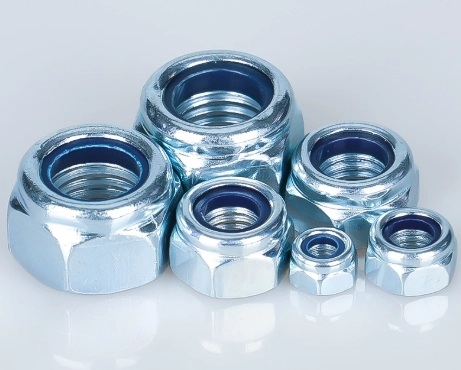
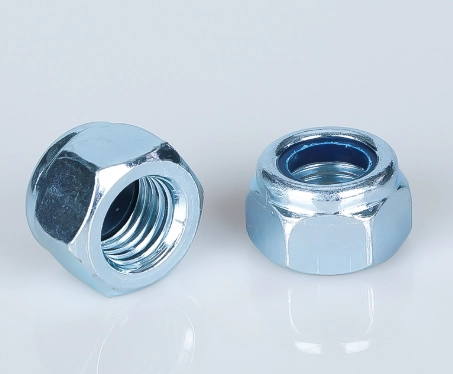
- Selbstsperrende MutternDiese haben normalerweise ein nicht kreisförmiges Ende oder ein “ gekrimmt” oben. Wenn Sie es anschrauben, muss sich die Mutter leicht verformen, was einen konstanten Druck auf die Schraubengewinde verursacht.
- Nylon EinsätzeSie haben diese wahrscheinlich gesehen - Nüsse mit einem blauen oder weißen Kunststoffring drinnen. Das Nylon erhöht die “ ziehen” auf dem Schrauben, was es viel schwieriger für Vibrationen macht, die Mutter abzudrehen.
Mechanische Verriegelung
Wenn Sie sicher sein möchten, dass die Mutter’ Wenn du überall gehst, gehst du mechanisch.
- Split Pins und Slotted Nuts: Sie setzen einen Pin durch ein Loch im Schrauben und einen Schlitz in der Mutter. Die Mutter kann sich physisch nicht drehen, es sei denn, der Stift scheert ab.
- Tab Washers: Nach dem Straffen biegen Sie eine Metalllappe gegen die Seite der Mutter. Es ist einfach, effektiv und sehr visuell - Sie können auf einen Blick erkennen, ob es’ S verschlossen.
- Sicherheitsdraht: Sie werden dies in der Luft- und Raumfahrt viel sehen. Ein Draht verbindet mehrere Schraubenköpfe miteinander, so dass, wenn einer versucht, sich zu lockern, er tatsächlich den anderen enger zieht.

Dauerhafte Verriegelung
Manchmal, Sie don’ In diesen Fällen verwenden die Leute Spotschweißen, Nieten oder hochfeste Gewindeschränke (flüssige Klebstoffe). Diese sind großartig für die Sicherheit, aber sie bedeuten in der Regel, dass Sie den Schrauben zerstören müssen, wenn Sie jemals die Maschine für Reparaturen auseinandernehmen müssen.
Schlussfolgerung: Prävention ist billiger als Reparatur
Am Ende des Tages ist ein Schraube nur so gut wie seine Fähigkeit, eng zu bleiben. Wenn Sie sich mit wiederkehrenden Brüchen befassen, hören Sie auf, die Stahlqualität für eine Minute zu betrachten und beginnen Sie, Ihre Anti-Looseningsstrategie zu betrachten. Ob es sich um eine einfache Federschließer oder eine Hightech-Verriegelungsmutter aus der Qewit KatalogDas Ziel ist das gleiche: Halten Sie die Spannung, stoppen Sie die Bewegung und verhindern Sie den Bruch.
Wenn Sie mit Befestigungsmitteln kämpfen, die nicht stehen bleiben, Sehen Sie sich unsere gesamte Palette an Lösungen an bei Qewit Fasteners. Wir haben Jahre damit verbracht, herauszufinden, wie man die Dinge zusammen hält, so dass du nicht’ Sie müssen sie weiter reparieren.
FAQ (häufig gestellte Fragen)
Q1: Wenn ich einen höherwertigen Schrauben (wie 12.9) verwende, verhindert er, dass meine Schrauben brechen?
A: Nicht unbedingt. Während eine höhere Klasse stärker ist, ist sie auch brüchiger. Wenn die Ursache Ihres Ausfalls ist, dass der Schraube losgelassen wird und dann mit Schlag (kinetische Energie) getroffen wird, ist ein “ stärker” Der Schraube könnte tatsächlich früher schnappen als ein flexiblerer niedrigerer Grad. Sie müssen zuerst die Löschung lösen.
Q2: Kann ich einen Schrauben wiederverwenden, nachdem er losgelassen ist?
A: Es hängt davon ab, wie locker es ist. Wenn der Bolzen herum rattelte, sind die Gewinde wahrscheinlich beschädigt oder der Bolzen kann über seine “ elastische Grenze. ” Es ist in der Regel viel sicherer und billiger, das Befestigungsmittel zu ersetzen, als ein zweiter Ausfall zu riskieren.
Q3: Ist eine Gewindesperrflüssigkeit besser als ein mechanisches Schloss?
A: Jeder hat seinen Platz. Klebstoffe eignen sich hervorragend zur Abdichtung gegen Flüssigkeiten und zur Handhabung feiner Vibrationen. Allerdings ist in heißen Umgebungen oder in regelmäßigen Wartungen ein mechanisches Schloss (wie eine Laschenscheibe oder eine Schlitzmutter) oft zuverlässiger und einfacher zu bedienen.


