

KATEGORIEN
Was sind die häufigsten Anwendungen für verschiedene Arten von Schrauben
Veröffentlicht: 19. Dezember 2025
Kategorien: Neuigkeiten
Schrauben sehen einfach aus, aber sie sind eigentlich sehr spezialisierte Werkzeuge. Die Wahl des falschen kann ein Projekt schwächer, weniger sicher machen oder es früher brechen lassen. In Fabriken und großen Bauarbeiten ist es wichtig, die richtige Schraube zu bekommen. Qewit ist ein Befestigungsunternehmen, das mit britischem technischem Know-how begann und jetzt Produkte in modernen Fabriken im Fernen Osten herstellt. Sie verkaufen Tausende von Schraubentypen für Bau, Maschinen, Elektronik und Metallbearbeitung.
Im Folgenden sprechen wir darüber, wo die häufigsten Schraubentypen täglich verwendet werden, mit echten Beispielen aus den beliebten Artikeln von Qewit.
Wie unterstützen präzisionskonstruierte Schrauben moderne industrielle Anwendungen?
Jede Branche will etwas anderes als eine Schraube. Ein Maschinenbauer braucht es vielleicht, um riesige Drehkraft zu bewältigen. Die Form des Gewindes, der Kopf, der Antrieb (wie Phillips oder Hex) und die Spitze entscheiden, welche Arbeit die Schraube am besten leistet.
Hochmoment-Befestigung für Bauteile
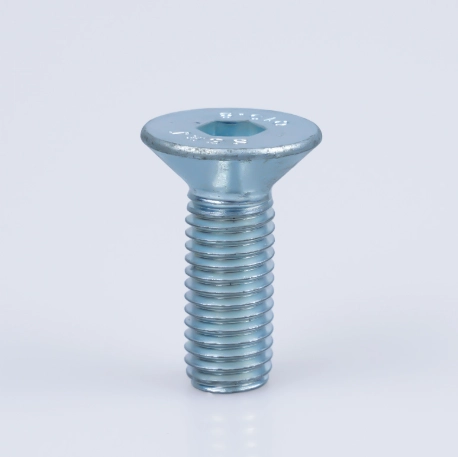
Manchmal brauchen Sie eine Schraube, die mit der Oberfläche perfekt flach endet, besonders wenn sich Teile in der Nähe bewegen. Das ist, wenn die Menschen erreichen Hexagonbuchse Gegenschrauben DIN 7991 / ISO 10642Der Kopf sinkt in ein versunkenes Loch, so dass nichts aufklebt und Dinge fängt. Mit der Sechsbuchse im Kopf können Sie ihn viel härter festziehen als eine normale Querkopfschraube.
Sie finden diese Schrauben, die Geräterahmen, schwere Stahlhalter, Förderträger und Präzisionswerkzeuge zusammenhalten. Überall, wo eine starke, saubere, versteckte Befestigung erforderlich ist, sind diese Schrauben ein Favorit in Fabriken und Werkstätten.
Zuverlässige Metall-zu-Metall-Montage in schwingungsintensiven Umgebungen
Stahlgebäude, Dächer und Maschinen schütteln viel durch Wind, Motoren oder den täglichen Gebrauch. Hex Flanschkopf Selbstbohrschrauben Perfekt für diese Jobs. Sie haben eine kleine Bohrspitze, so dass sie in einem schnellen Schritt ihr eigenes Loch und Gewinde machen - kein zusätzliches Bohren erforderlich ist.
Der breite Flansch unter dem Sechskopf wirkt wie eine eingebaute Scheibe. Es verteilt den Druck über eine größere Fläche, was verhindert, dass die Schraube losarbeitet, wenn alles vibriert. Dacher, HVAC-Installateure und Metallbaumannschaften lieben sie für Stahldächer, Kanalarbeiten, Außenrahmen und Verkleidungen. Sie sparen Tonnen Zeit vor Ort.
Vielseitiges Schrauben für vorgeschraubte Löcher und elektronische Geräte
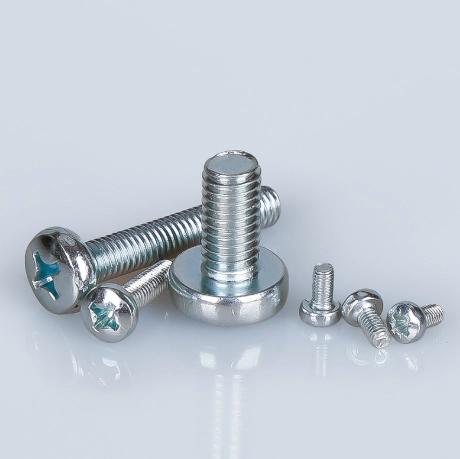
Wenn ein Loch bereits verschwindet ist oder Sie eine Mutter verwenden, sind Maschinenschrauben in der Regel die beste Wahl. Die Phillips Pan Kopf Maschinenschraube ASME B18.6.3 ist ein klassisches Beispiel. Es verfügt über eine abgerundete Spitze mit einem breiten flachen Boden und einen Querantrieb, mit dem auf Montagelinien einfach zu arbeiten ist.
Diese Schrauben erscheinen in Computern, Küchengeräten, Autoarmaturen, Steuerboxen und kleinen Motoren. Arbeiter mögen sie, weil das Werkzeug fast nie rutscht und das Teil kratzt. Sie sind großartig für alles, was immer wieder auf die gleiche Weise gebaut wird.
Wo werden Gegensenkschrauben am häufigsten angewendet?
Gegensenkschrauben werden geliebt, weil sie beim Festziehen in die Oberfläche verschwinden.
Flush-Mounted Oberflächen für Sicherheit und Ästhetik
Wenn ein herausstehender Schraubenkopf Kleidung, Werkzeuge fangen oder hässlich aussehen könnte, lösen versenkte Schrauben das Problem. Auf Werksgängen, Edelstahlläufern, Metallschränken oder Aluminiumrahmen hinterlassen sie eine glatte, sichere und professionelle Oberfläche.
Präzisionsmaschinen, die eine kompakte Befestigung erfordern
In engen Maschinen und Robotern gibt es oft keinen Platz für einen Schraubkopf, der aufklebt. Eine versenkte Buchsenschraube sitzt in seinem Loch, so dass sich bewegende Teile direkt über sie gleiten können, ohne etwas zu treffen. Mit diesem winzigen Detail laufen die Maschinen reibungslos und sicher.
Ausrüstungsrahmen mit begrenztem Außenbereich
Auf Führungsschienen, Maschinenbetten und Armaturen sind DIN 7991-Absenkschrauben üblich, da sie keinen zusätzlichen Platz auf der Außenseite einnehmen. Alles bleibt ordentlich und nichts reibt oder verschleißt sich zu früh.
Warum sind selbstbohrende Schrauben in der Metallherstellung unerlässlich?
Metallarbeiter hassen Zeit zu verschwenden. Mit selbstbohrenden Schrauben können sie die Arbeit schneller und sauberer erledigen.
Ein Schritt Bohren und Befestigen für Geschwindigkeit
Mit einer normalen Schraube bohren Sie ein Loch, wechseln Werkzeuge und treiben die Schraube an. Selbstbohrende Schrauben erledigen beide Aufgaben gleichzeitig. Auf einem großen Dach oder einer Wand aus Stahlblechen nimmt sich diese Geschwindigkeit schnell auf – ein Werkzeug, eine Bewegung, Hunderte von Schrauben, die schneller gemacht werden.
Starke Gewindeeinbindung in Stahl- oder Aluminiumplatten
Der scharfe Bohrpunkt beißt in das Metall und schneidet perfekte Fäden, während es geht. Qewit stellt verschiedene Bohrpunktgrößen für dünne oder dickere Platten her. Sobald es drin ist, ist der Griff eng und zuverlässig.
Vibrationsbeständige Gelenke für Dach und Beschichtung
Die Dächer dehnen sich aus und schrumpfen sich mit Hitze und bekämpfen starke Winde. Der Flanschkopf drückt eine größere Fläche und hilft der Schraube, jahrelang fest zu bleiben. Das bedeutet weniger Lecks und weniger Rückrufe für den Installateur.
In welchen Szenarien sind Maschinenschrouben die praktischste Wahl?
Wenn Teile bereits Gewindelöcher haben, sind Maschinenschrauben in der Regel die intelligentste und sauberste Option.
Konsistente Befestigung für Elektronik und Elektrogeräte
Elektronik, Lichter, Steuerungen und kleine Geräte verwenden fast immer Maschinenschrauben. Sie geben einen ordentlichen Blick, halten alles stabil und lassen die Techniker den Fall später wieder ohne Beschädigung öffnen.
Sichere Verbindungen für Pre-Tapped Komponenten
Fabrikteile kommen oft mit fertigen Fäden. Maschinenschrauben gleiten reibungslos ein, ohne diese Gewinde zu zerstören. Sie sehen sie in Messwerkzeugen, Automatisierungsgeräten, Metalltischen und Regalen.
Multi-Material-Montage in Verbraucher- und Industrieprodukten
Sie funktionieren gut, wenn Metall auf Kunststoff trifft – wie in Druckern, Kaffeemaschinen oder Bedienfeldern. Weil sie weltweiten Standards folgen, können große Unternehmen genau die gleiche Schraube überall auf der Welt bestellen. Qewit hält riesige Lagerbestände, so dass Bestellungen schnell ankommen.
Wie unterstützt Qewit Qualität und globale Zuverlässigkeit bei der Befestigungsmittelversorgung?
Die perfekte Schraube zu finden ist nur die Hälfte der Schlacht. Sie brauchen auch einen Lieferanten, dem Sie jedes Mal vertrauen können.
Strenge Prüfung und Einhaltung internationaler Normen
Qewit prüft jede Charge hart - Zugtests, Härtetests, Salzspray auf Rost, Gewindemessgeräte, Drehmomenttests und manchmal Kameras, die jede einzelne Schraube betrachten. Kunden können offizielle Dokumente wie 3.1-Zertifikate oder PPAP-Berichte erhalten, wenn ihre Arbeit es braucht. Das Ergebnis ist die gleiche hohe Qualität, unabhängig davon, ob die Schrauben aus einfachem Stahl, Edelstahl oder Speziallegierung sind.
Vielfältige Material- und Oberflächenmöglichkeiten für globale Projekte
Einige Jobs benötigen billige verzinkte Schrauben im Innenraum. Außenstahl benötigt Heißverzinking (HDG). Autoteile benötigen oft Zinkflake oder Geomet-Beschichtung. Nasse oder chemische Bereiche benötigen Edelstahl. Qewit lagert sie alle, so dass Käufer nicht um verschiedene Verkäufer jagen müssen.
Maßgeschneiderte Befestigungslösungen mit voller Rückverfolgbarkeit
Wenn ein Projekt eine seltsame Größe oder besondere Stärke benötigt, kann Qewit es aus Ihrer Zeichnung machen. Sie können Gewindeschrank, spezielle Beschichtung oder zusätzliche Bearbeitung hinzufügen. Jedes Teil kann auf die genaue Fabrikmenge zurückverfolgt werden, die große Unternehmen für Sicherheitsrekorde lieben.
FAQ (häufig gestellte Fragen)
Q1: Sind selbstbohrende Schrauben für dickere Stahlplatten geeignet?
A: Sie arbeiten bis zur Grenze ihres Bohrpunkts gut. Für wirklich dicken Stahl ist es in der Regel besser, ein anderes schweres Befestigungsmittel vorzubohren oder zu verwenden.
Q2: Warum wählen Sie versunkene Schrauben über Pannenkopfschrauben?
A: Gegenschrauben sitzen flach oder unter der Oberfläche – perfekt, wenn Sie eine glatte Oberfläche für Aussehen oder Sicherheit wünschen. Pankopfschrauben sind besser, wenn der Kopf stolz sitzen kann.
Q3: Können Maschinenschrauben wiederverwendet werden?
A: Ja, in der Regel viele Male, solange die Fäden noch gut sind und Sie sie vorher nicht überzogen und gedehnt haben.


