

caTEGORIES
Tags
Why Is It Important to Torque the Rod Nuts Evenly Using the Two Step Method
Posted: December 04, 2025
Categories: News
Threaded rod assemblies are used everywhere—from heavy steel frames to HVAC brackets, industrial cabinets, pipe systems, and machinery supports. While these components look simple, the way rod nuts are tightened directly affects how long the whole system will last. A rushed tightening step or uneven torque can create small issues that slowly grow into big failures. Because of that, many technicians choose the two step method when tightening rod nuts. It may look like an extra step, but this method helps the whole connection settle with proper pressure.
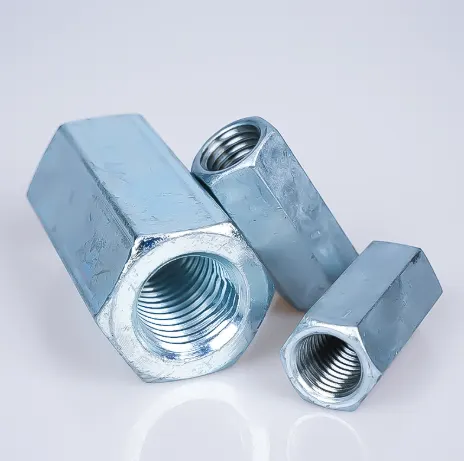
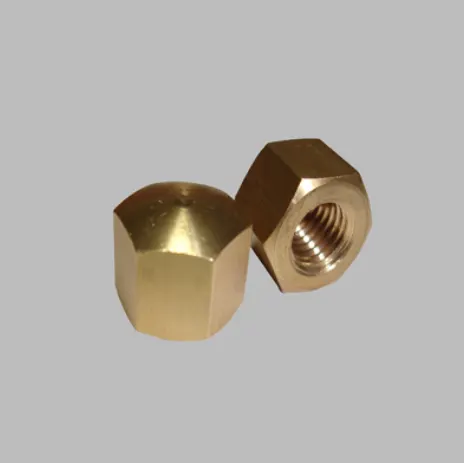
Qewit, a supplier known for reliable industrial fasteners, provides several nut types that work well with threaded rods, including Hexagon Connecting Nuts (DIN 6334), Brass Hexagon Cap Nuts (DIN 917), and Rubber Nuts. These products play different roles in rod assemblies, but they all benefit from correct and even torque.
Below is a closer look at why balanced tightening matters and how the two step method strengthens rod connections.
What Problems Arise When Rod Nuts Are Not Torqued Evenly?
Before talking about the method, it helps to understand what goes wrong when torque is applied unevenly.
Uneven Load Distribution on Threaded Rods
When a rod nut is tightened harder on one side than the other, the threaded rod ends up carrying stress in an unbalanced way. One section might have high pressure, while another hardly makes contact. Over time, these pressure pockets can make the rod bend slightly or develop micro-gaps.
Once a gap starts, the joint’s stiffness drops. Even a small shift of a millimeter can change the load path. Long term use, temperature swings, and machinery motion will make these micro-movements worse.
Increased Risk of Loosening Under Vibration
Industrial sites often have stable structures, but the environment is rarely still. Fans vibrate, pumps run every day, steel beams expand and contract. Uneven torque causes the nut to “walk” out slowly along the thread, especially in assemblies exposed to constant vibration.
This problem becomes more visible in applications using long Hexagon Connecting Nuts (DIN 6334). These nuts provide extended thread engagement, but if the pressure inside is unbalanced from the start, the extra length does not save the connection from loosening.
Potential Damage to Nuts, Rods, and Coupling Components
Uneven torque can damage the threads. Some parts of the nut take all the pressure, and other areas barely clamp at all. When the assembly moves, the overloaded threads wear down faster. In brass cap nuts, the softer metal may deform at the opening. In rubber nuts, the insert might compress unevenly, which reduces their intended fit.
When installers notice a joint that keeps shifting or squeaking, uneven torque is often the hidden cause behind it.
Why Does the Two Step Method Improve Threaded Connections?
After understanding the risks, the value of the two step tightening method becomes easier to see. This method spreads tightening into two rounds instead of one strong pull. Many mechanical shops, construction teams, and machine builders use it every day because it makes the whole assembly settle in a more natural way.
Gradual Torque Application for Balanced Clamping Force
The first step applies a medium torque that lets the nut and rod “seat” properly. The nut aligns itself against the connection surface, and the threads catch evenly. This stage eliminates most of the early imbalance that occurs if the nut jumps into position too quickly.
The final step applies full torque. By this time, the nut already sits squarely, so the final tightening spreads pressure more evenly across the whole surface.
Reduced Friction Variation Across Nut Contact Surfaces
One overlooked issue is friction. Sometimes the thread surface is smooth; sometimes it’s slightly rough, depending on finish or material. A single fast tightening step magnifies these differences and creates “jerks” during installation.
Using two steps helps the friction variations even out before the full torque is applied. For products like Brass Hexagon Cap Nuts (DIN 917), which have naturally smoother threads, this staged method works especially well. Brass tends to slide differently than steel, so gradual tightening avoids sudden pressure spikes.
Improved Consistency in Final Tightening Accuracy
Even when technicians use torque wrenches, the reading is only accurate if the contact conditions are stable. The two step method gives the connection time to settle before final torque measurement. This results in a more consistent value, which matters when multiple rods across a structure must carry similar loads.
This stability also helps long connecting nuts—such as Qewit’s DIN 6334 coupling nuts—achieve their designed performance. These tall nuts rely on full thread engagement from top to bottom, so even tightening is especially important.
How Do Qewit Hexagon Connecting Nuts Support Stable Rod Assembly?
Hexagon Connecting Nuts (Coupling Nuts) under DIN 6334 are one of Qewit’s core products for threaded rod systems. Their long body offers better engagement, but only when torque is even.
DIN 6334 Long Body Design Enhancing Thread Engagement
The extended length gives the rod more contact area to grip. When torque is applied evenly, this long thread path forms a stable load transfer system. However, uneven torque reduces the benefit because only a portion of the thread carries the load. Using the two step method helps the nut “settle” along its full length.
High-Strength Materials Ensuring Uniform Load Transfer
Qewit’s coupling nuts are produced from quality steel with consistent hardness. This stability helps the nut distribute stress more evenly after proper tightening. If a rod assembly needs long-term rigidity, especially in brackets or support beams, this nut type performs best when torqued with care.
Precision Threads Reducing Torque Scatter and Galling
Thread accuracy affects how smoothly torque builds up. DIN 6334 nuts from Qewit have tight machining tolerances to reduce binding. To get the most out of these precise threads, the two step method avoids sudden load spikes that might cause galling or scratch marks.
Why Are Brass Hexagon Cap Nuts Useful in Controlled Torque Applications?
Brass Hexagon Cap Nuts (DIN 917) are used in lighter assemblies, decorative structures, electrical equipment, and corrosion-prone environments. These nuts react differently to torque because brass is softer than steel.
Corrosion-Resistant Brass Maintaining Stable Torque Over Time
Brass does not rust, so torque stays more stable in the long run. But during installation, the softer material benefits from controlled tightening, especially with the two step method. Fast, uneven torque may deform the cap edge or mark the thread entrance.
Protective Cap Structure Preventing End-Thread Deformation
The closed-end design covers the rod tip. This prevents moisture or dust from entering, especially in cabinetry, architectural work, and exposed equipment. When tightening is even, the cap maintains its round shape and keeps its protective purpose.
Smooth Thread Surface Minimizing Friction-Induced Torque Loss
Brass threads typically have lower friction. While this helps in assembly, it also means the torque feeling may change very suddenly. A two step tightening progresses more gently, letting the nut settle without sliding too fast.
How Do Rubber Nuts Improve Torque Performance in Special Installation Conditions?
Rubber Nuts have a very different structure compared to metal nuts. They expand behind panels or inside cavities when tightened, forming a strong hold even when the mounting surface is thin or irregular.
Elastic Compression Allowing Even Force Distribution
The rubber sleeve compresses and expands when the screw tightens. With even torque, the rubber spreads pressure smoothly without forming lumps or weak points. Uneven torque can twist the insert or make the expansion tilt.
Vibration-Absorbing Structure Preventing Torque Back-Off
Rubber naturally absorbs movement. In vibration-heavy environments, the material helps the screw stay in position. However, if the initial torque is applied too quickly, the insert may not expand uniformly, reducing its ability to grip.
Secure Fit in Thin-Wall or Irregular Mounting Surfaces
One main advantage of Rubber Nuts is adaptability. They grip well inside sheet metal, plastic, composite panels, and hollow structures. The two step method gives the rubber time to form its correct shape before being fully tightened, creating a more reliable hold.
FAQs
Q1: Can the two step method be used with any type of threaded rod nut?
A: Yes. It works well for steel, brass, and even rubber-based inserts. The method is especially helpful when there are long nuts or softer materials involved.
Q2: Do long coupling nuts require higher torque than standard nuts?
A: Not always. The torque depends on thread size and material. However, because coupling nuts engage more threads, consistent torque becomes more important.
Q3: What happens if torque is applied too fast?
A: Fast tightening can cause uneven pressure, thread damage, and early loosening. A slower, two stage approach gives a smoother and more controlled connection.


