

caTEGORIES
Tags
Vertical vs. Horizontal Screw Installation: Load Direction, Grip Strength, and Best Practices
Posted: February 05, 2026
Categories: News
In various fastening tasks, people often pick screws based on size, material, or coating. Yet, the way they install them tends to get overlooked. In reality, putting a screw in vertically or horizontally directly influences how loads behave, how firmly it grips, and its lasting dependability.
From simple industrial setups to wooden builds and metal-to-metal joins, knowing how load paths work with screw features can prevent typical issues like coming loose, pulling out, or sudden breaking under side stress. This piece examines the actual contrasts between vertical and horizontal screw setups. It also shows how picking the proper fastener for each case results in steadier outcomes. We draw from everyday fastening options provided by Qewit in industrial and building uses.
Why Does Screw Orientation Matter in Real-World Applications?
Before diving into the comparison of vertical and horizontal setups, it’s useful to grasp what shifts when the angle changes. The direction impacts how forces move through the screw, its threads, and the holding material.
In typical builds, screws face a blend of forces rather than just one straightforward push. Things like gravity, shaking, heat shifts, and side pushes all combine. And the setup angle determines which force takes the lead.
Load Direction and Force Transfer Mechanisms
For vertical setups, the primary force generally follows the screw’s length. This leads to pulling or pressing along that line, so the threads mainly fight against pulling free or holding pieces tight.
Horizontal setups alter things. Here, forces tend to push across the screw’s body, making its ability to handle side cuts the key issue. The head’s shape and contact surface gain more importance than just thread depth.
Pull-Out Resistance vs. Shear Strength
Pull-out resistance relies a lot on how threads lock in and the density of the base stuff. That’s why vertical placements in wood or softer bases often need longer screws with bold threads.
Shear strength, however, hinges more on the screw’s width, its inner toughness, and how the head distributes force over the face. Thus, a screw that works fine vertically might act quite differently in a horizontal spot.
Common Failure Modes in Incorrect Installations
Issues tend to show up when the angle doesn’t match the screw’s build. Brief screws in vertical spots might tear threads and slacken. Thin screws in horizontal ones could warp or break under ongoing side pressure. Such breakdowns seldom stem from bad material only. Instead, they usually arise from overlooking the load path during choice.
How Does Vertical Installation Affect Load Capacity?
Vertical setups appear often in joins where items stack or draw close, like supports, sheets, or frames. In those scenarios, the screw functions more as a tightener than a connector pin.
To get its performance, consider how force spreads along the threads and into the base stuff.
Axial Load Distribution
In a vertical setup, the along-the-line force moves from the head along the body and into the threads. A smartly made screw shares this force steadily across the gripped threads. It avoids piling stress on the initial turns.
This matters greatly in gentler materials like wood, where uneven force can swiftly harm threads and cut holding force.
Thread Engagement Depth
Greater thread lock-in nearly always boosts vertical force handling. Extended screws offer more touch points, which lowers strain per thread. That’s a key reason coach screws and wood screws with rough threads see wide use in vertical wood links.
Still, depth by itself isn’t sufficient. The thread form and spacing also shape how force passes on and how well the join resists slackening as time goes by.
Substrate Material Interaction
Various materials react in distinct ways to vertical force. Metal needs exact thread fits, whereas wood gains from threads that cut and squeeze fibers. Selecting a screw that fits the base material counts as much as picking the right size.
When Is Horizontal Screw Installation the Better Choice?
Horizontal setups commonly serve to counter side shifts rather than pulls. Usual cases include attaching supports to walls, locking frames, or keeping panels steady against side pushes.
Here, the screw serves more as a side-force pin than a tightener.
Shear Load Performance
Under side force in horizontal spots, the screw body bears most of the strain. A broader inner width generally does better than a narrow one, even with less thread cut. This explains why certain wood screws falter when placed horizontally in metal or stone work.
Lateral Stability
Side steadiness also relies on how snugly the head rests on the face. Slack fitting lets motion happen, which ramps up wear and brings early breakdowns. A solid head shape aids in securing the setup firmly.
Structural Alignment Considerations
Horizontal placements frequently call for lining up over several fasteners. Even turning force and sink depth are vital, particularly in build or shared-force joins.
Which Screw Types Perform Best in Vertical Installations?
Screws don’t all act alike under vertical force. Here are three types from Qewit’s lineup that suit spots where along-the-line force and pull-out hold are vital.
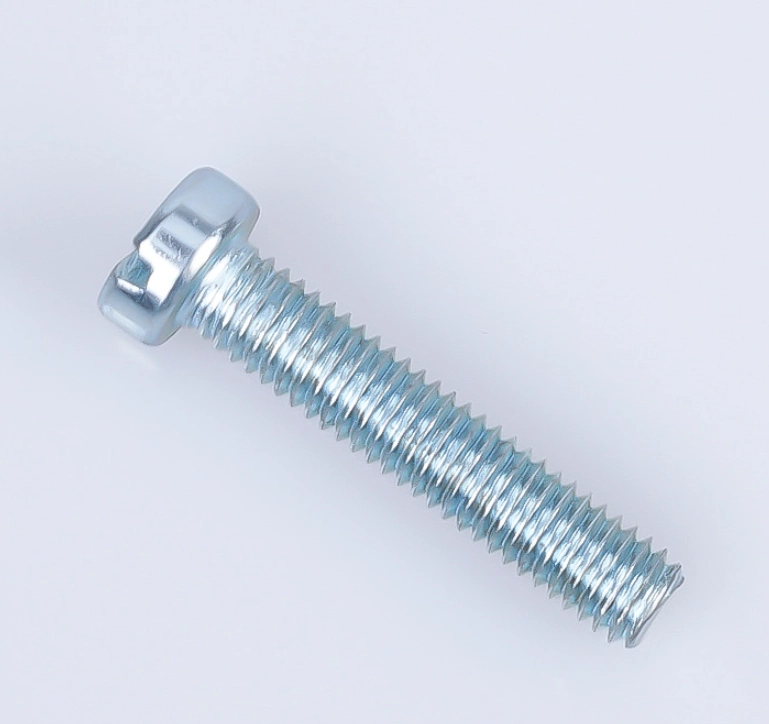
Slotted Cheese Machine Screws DIN 84 for Precision Alignment
Slotted cheese machine screws usually fit in metal-to-metal joins with pre-cut holes. Their complete threading lets force spread evenly over the full lock-in length.
In vertical spots, these do well in managed settings where turning force stays mild and lining up precisely outweighs raw power. The slot drive permits small tweaks while putting them in, which helps in gear setups and basic factory tasks.
Since machine screws depend on matched threads instead of biting into material, they shine where repeat use and size accuracy lead.
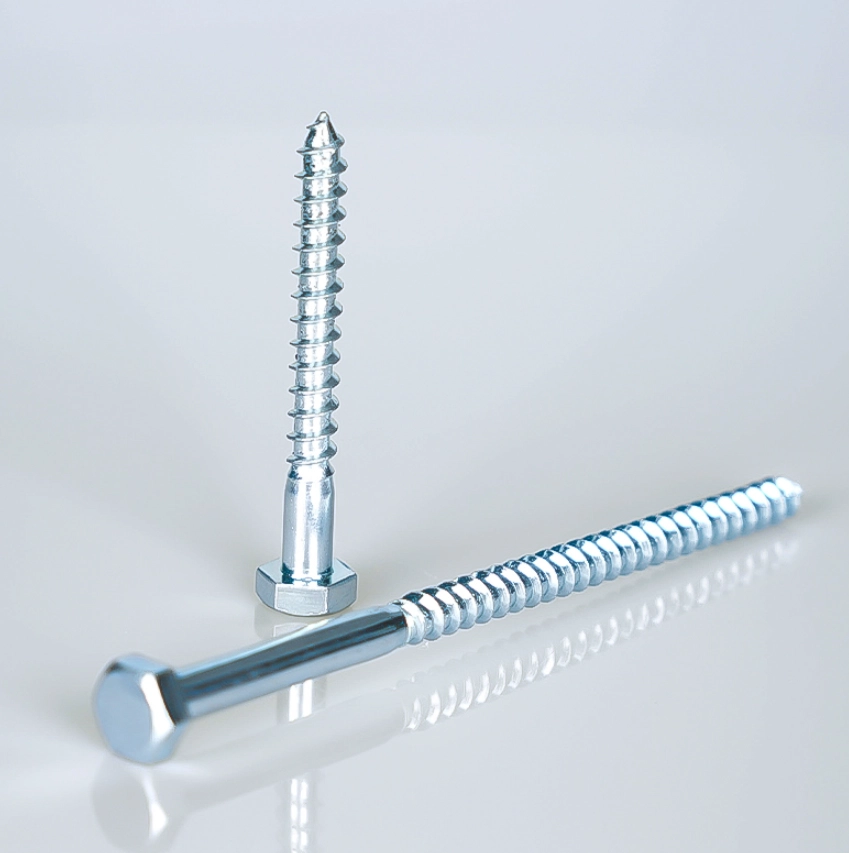
Stainless Steel Hexagon Head Coach Screws DIN 571 for Deep Anchorage
Coach screws rank as a top pick for vertical force in wood and timber builds. The hex head handles greater tightening push, and the bold thread digs far into the stuff.
For vertical placements, these deliver firm pull-out hold, particularly in wood build links. Stainless steel kinds often get chosen for outside spots, where dampness and rust pose risks.
Their results tie to right starter hole size, which stops cracking while keeping grip strong.
Pozi Double CSK Head Twin Thread Woodscrews for Fast Vertical Fixing
Twin thread wood screws aim to sink fast while keeping hold. The Pozi drive cuts slip, and the countersunk head lets the screw sit level with the face.
In vertical setups, the twin thread build ups holding without needing extra length. These see common use in furnishings, inside builds, and big-batch assembly jobs where quickness and steadiness count.
Which Screw Types Are More Reliable for Horizontal Loads?
Side forces shift the focus. Rather than stressing pull-out, the emphasis moves to side-cut capacity and face touch.
Thread Profile and Shear Resistance
In side uses, threads matter less after the join tightens. A tough core and steady width outrank bold threads.
Head Design and Load Spreading
Broad heads or hex heads distribute force across a wider spot, cutting risks of face harm or warping. This boosts ongoing steadiness, especially with shaking.
Installation Torque Control
Tightening too much can harm side joins by smashing the base stuff or curving the screw. Managed turning force yields better force sharing and extended use.
Best Practices for Maximizing Grip Strength and Service Life
Regardless of angle, solid setup ways bring clear gains.
Correct Pilot Hole Sizing
Starter holes ease strain while putting in and boost thread lock-in. If too tight, material cracks or threads rip. If too loose, hold weakens.
Installation Torque and Tool Selection
Picking the proper tool and steady pace keeps threads sound. Powered tools speed things up, but hand oversight remains key for the last fit.
Matching Screw Design to Load Direction
The steadiest joins arise from fitting screw shape to the real force path. Vertical force likes depth and thread lock-in. Side force likes toughness and head backing.
Why Engineers Choose Qewit Fasteners for Structural Fastening Solutions
Qewit offers a broad array of standard and tailored fasteners built for actual job needs. With know-how in factory, building, and maker supply lines, the aim stays on steady quality, material tracking, and useful product picks.
For jobs with both vertical and side force cases, getting varied screw types from one spot cuts supply hassle and ups overall setup evenness.
FAQs
Q1: Is vertical screw installation always stronger than horizontal installation?
A: Not always. Vertical installation is stronger against pull-out, but horizontal installation can be better for resisting side loads when the correct screw is used.
Q2: Can the same screw be used for both vertical and horizontal loads?
A: In light-duty applications, yes. For structural or high-load projects, it is better to select screws designed for the dominant load direction.
Q3: Does screw material affect performance more than installation direction?
A: Both matter. Material affects strength and corrosion resistance, while installation direction determines how that strength is used in practice.


