

caTEGORIES
Tags
How to Choose the Right Expansion Bolt for Concrete Anchoring Needs
Posted: December 12, 2025
Categories: News
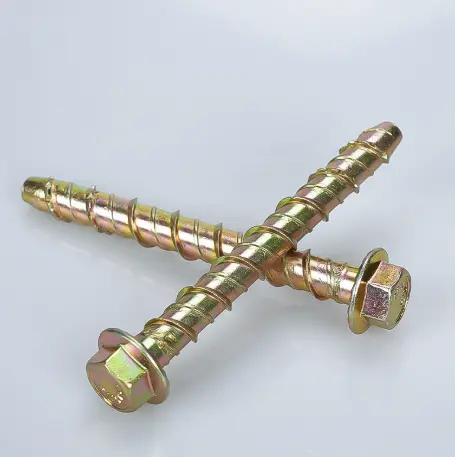
Concrete anchoring plays a big role in construction and industrial jobs. Picking the wrong expansion bolt can cause weak joints, safety problems, and expensive fixes later. For engineers, builders, and project leaders, knowing the details of these bolts helps create strong and lasting connections. Qewit Fasteners has years of experience providing top-quality fasteners. They make a variety of concrete bolts, including Hex Flange Head Concrete Bolts and Hex Head Concrete Bolts, to fit different jobs.
What Factors Matter Most When Selecting Concrete Expansion Bolts?
The best bolt depends on the job and the situation. A few main things decide how well the bolt will hold and stay safe.
Base Material Condition
Concrete can be hard or soft, new or old, smooth or cracked. Its strength and condition change how well a bolt grabs and carries weight. Strong, thick concrete lets the bolt go deeper and hold more. Weak or cracked concrete needs special care so it doesn’t split or let the bolt pull out.
Load And Stress Requirements
Bolts move weight from the attached part into the concrete. The weight can push down (tensile) or slide sideways (shear). You must pick a bolt strong enough for the job. Too small a bolt can break; too big a bolt wastes money. Also think about whether the load stays steady or shakes a lot.
Environmental And Corrosion Considerations
Many bolts sit outside or in wet places. Rain, cold, heat, or chemicals can rust them fast. Normal steel bolts with zinc plating work okay for dry spots. For outdoor or wet areas, stainless steel is much better. Qewit Fasteners gives options like mechanical galvanizing and Dacromet coating. These protect the bolt for years without hurting the threads.
How Do Concrete Bolt Types Differ in Performance?
Not every expansion bolt works the same way. Knowing the main kinds helps you choose wisely.
Thread-Forming Anchoring Structure
Some bolts, such as concrete screws, cut their own threads right into the concrete. They lock in tight and fast. You don’t need extra parts. They’re great when you might need to take things off and put them back later.
Wedge-Expansion Holding Force
Wedge anchors have a cone-shaped end. When you tighten the nut, the cone pushes pieces outward against the hole wall. This creates very strong grip. People use them for heavy things like columns, big machines, or highway railings. The force spreads out, so the concrete is less likely to crack in one spot.
Sleeve-Expansion Distributed Load
Sleeve-type bolts, including Hex Flange Head Concrete Bolts, have a metal sleeve around the bottom. Tightening pulls the sleeve apart evenly. This style works well even in medium or slightly damaged concrete. The even pressure keeps cracks from growing and makes torque easy to control.
Why Are Hex Flange Head Concrete Bolts Suitable for Heavy-Duty Anchoring?
Qewit’s Hex Flange Head Concrete Bolts are built for tough jobs. Their smart design gives extra strength where it counts.
Integrated Flange For Larger Bearing Surface
The wide flange under the hex head touches more concrete. That spreads the weight better and stops the surface from crushing. It’s perfect for heavy machines, steel beams, or outdoor signs that put a lot of pressure in one place.
High Torque Resistance And Anti-Loosening Design
Vibration from trucks, motors, or wind can loosen normal bolts over time. The big flange and strong threads fight that loosening. Once torqued, these bolts stay tight for years—even on shaking factory floors or rooftop units.
Reliable Thread Engagement In Cracked Concrete
Old buildings often have tiny cracks you can’t see. Regular bolts might slip in those spots. The special thread shape and flange on these bolts still grab firmly. Many contractors pick them for repair work or older structures.
When Should Hex Head Concrete Bolts Be Used Instead?
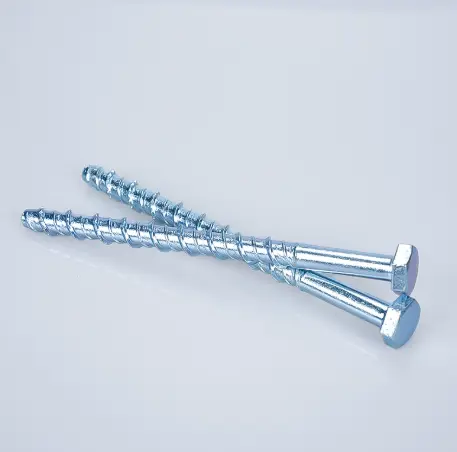
Hex Head Concrete Bolts are a little simpler but still very strong. They shine when space is tight.
Compact Head Shape For Limited Space
The head is smaller than a flange style, so it fits where a big flange would hit something. Think of narrow channels, inside equipment, or behind cover plates.
Strong Pull-Out Resistance For Medium-To-Heavy Loads
As long as the concrete is in good shape, these bolts hold plenty of weight. They work great for shelves, light steel frames, conveyor supports, and many everyday jobs.
Versatile Fit For General Construction Anchoring
Almost every toolbox already has wrenches that fit hex heads. Workers can install them quickly without special tools. That makes them popular on regular building sites and home projects.
How Can Project Requirements Be Matched With Qewit’s Concrete Bolt Options?
Good choices come from matching real needs to the right product. Qewit helps customers every step of the way.
Load Category And Safety Margin Matching
First, figure out the heaviest pull and slide forces. Then pick a bolt grade that beats those numbers by a safe amount. Qewit sells high-strength carbon steel, stainless steel, and alloy versions so you always have the right strength.
Installation Speed And Labor Efficiency
Some jobs need the strongest possible bolt even if it takes a few extra minutes. Other jobs need fast placement in tight spots. Knowing your timeline helps decide between Hex Flange Head Concrete Bolts (a bit more time, maximum strength) and Hex Head Concrete Bolts (quick and easy).
Long-Term Durability And Compliance Standards
Outdoor or chemical areas need tough coatings. Qewit’s surface treatments last for decades. All products meet ISO 9001 quality rules. For big projects, they can supply 3.1 certificates and full traceability paperwork.
Conclusion
Picking the correct expansion bolt is not just about size or price. Think about the concrete condition, how much weight it will hold, weather exposure, and the bolt’s exact design. Qewit Fasteners offers dependable Hex Flange Head Concrete Bolts for the toughest jobs and versatile Hex Head Concrete Bolts for everyday work. Take time to choose wisely and install correctly—your structure will stay safe and solid for many years.
FAQ
Q1: Can Hex Flange Head Concrete Bolts be used in cracked concrete?
A: Yes. The wide flange and smart thread design still give a strong hold in lightly cracked concrete. Just follow the right drilling depth and torque settings.
Q2: What factors determine the choice between Hex Flange Head and Hex Head Concrete Bolts?
A: Look at the weight, how much vibration there will be, and how much room you have to turn a wrench. Choose Hex Flange Head for heavy loads and shaking; choose Hex Head when space is tight or the job is simpler.
Q3: How should corrosion resistance be addressed for outdoor concrete anchoring?
A: Use stainless steel or bolts with strong coatings like Dacromet or mechanical galvanizing. Qewit offers several proven finishes so the bolts stay strong even after years of rain and sun.


