

caTEGORIES
Tags
How to Avoid Galvanic Corrosion When Using Screws with Dissimilar Metals
Posted: December 25, 2025
Categories: News
Galvanic corrosion tends to remain unnoticed until serious damage has occurred. In metal assemblies, this problem does not develop quickly. Rather, it gradually erodes fasteners and connection areas, thus weakening joints that previously seemed sturdy and dependable. Such an issue arises frequently when screws and base materials consist of different metals.
In fields like construction, manufacturing, HVAC systems, enclosures, and metal fabrication, engineers commonly encounter joints involving mixed metals. For instance, aluminum panels connect to steel frames. Stainless screws fasten into coated steel. Without careful planning, these pairings can reduce the lifespan of components and increase upkeep expenses.
Grasping the mechanics of galvanic corrosion, along with ways to prevent it, enables designers and installers to select fastening options more wisely. Qewit provides a broad selection of specialized fasteners, such as trilobular thread forming screws suited for metal-to-metal links, and these choices can minimize risks right from the outset.
What Causes Galvanic Corrosion Between Dissimilar Metals?
Prior to exploring prevention strategies, it proves useful to comprehend the initial triggers of galvanic corrosion. The underlying process appears straightforward in concept, yet its consequences can prove expensive in practical applications.
Electrochemical Reaction Principles
Galvanic corrosion occurs whenever two distinct metals come into contact while exposed to an electrolyte, including moisture, condensation, rainwater, or salt spray. In this setup, one metal functions as the anode and deteriorates more rapidly, whereas the other serves as the cathode and receives protection.
Fasteners typically represent the smaller and more vulnerable portion of the joint. Consequently, when an unsuitable metal combination is employed, screws may act as the expendable component, degrading well ahead of any visible issues in the adjacent structure.
Galvanic Series Influence on Fasteners
Each metal occupies a specific position on the galvanic series, a ranking based on electrical potential. Materials positioned far apart in this series generate a more intense reaction upon connection.
Consider aluminum combined with stainless steel, for example, which exhibits a significant potential difference. Within moist conditions, this disparity accelerates the corrosion process. Carbon steel fasteners equipped with suitable coatings frequently lessen this gap and thereby decelerate the reaction.
Importance of Environmental Electrolytes
Galvanic corrosion cannot initiate without moisture present. As a result, outdoor gear, coastal setups, and damp industrial areas encounter elevated risks. Moreover, even interior uses, like HVAC units or electrical cabinets, might undergo condensation periods that subtly initiate corrosion gradually.
This factor elevates fastener selection beyond mere material considerations; it also involves evaluating the surrounding environment.
Why Is Material Compatibility Critical When Choosing Screws?
Once corrosion takes hold, it seldom confines itself to the screw head alone. Threads lose strength, clamping pressure diminishes, and joints become slack. Ensuring material compatibility holds a vital position in halting this sequence of events.
Material Compatibility Concept
Selecting fasteners crafted from metals near the base material in the galvanic series minimizes the electrical potential variance. This basic measure cuts down corrosion hazards without necessitating additional processes or parts.
Qewit delivers fasteners in various materials and finishes, offering engineers the ability to align screws with the nearby metal instead of adopting a uniform approach for every situation.
Surface Area Ratio Considerations
A compact anodic metal linked to a substantial cathodic area degrades at a quicker pace. During fastening operations, the screw generally possesses far less surface area compared to the panels or frames it secures. Therefore, the screw emerges as the vulnerable spot if the material match proves incorrect.
Opting for thread forming screws that embed smoothly and spread load uniformly aids in preserving firm contact, which in turn retards concentrated corrosion effects.
Impact on Long-Term Durability
Even minor corrosion influences torque retention significantly. As time passes, this may result in loosening due to vibrations, unwanted sounds, or sudden breakdowns. In systems requiring seals or precise alignment, corrosion harm frequently demands rework or complete substitution.
Proper material matching at the project’s start circumvents these concealed expenses effectively.
How Can You Avoid Galvanic Corrosion in Assemblies With Qewit Screws?
Avoiding galvanic corrosion involves more than a single technique. Typically, it combines intelligent fastener choices, surface protections, and sound assembly methods.
Choosing Compatible Fastener Materials
Qewit’s trilobular thread forming screws are routinely made from carbon steel featuring protective layers. These variants perform reliably when securing coated steel panels, mild steel frames, or comparable bases.
Since they form threads rather than cut them, such screws establish firmer bonds without stripping away protective layers within the hole. Consequently, this action limits pathways for corrosion to develop.
Applying Insulating Barriers Between Metals
For scenarios where dissimilar metals prove unavoidable, insulating elements interrupt the electrical pathway. Items like plastic washers, coated spacers, or surface sealants keep metals apart while preserving structural integrity.
Professionals often apply this method in enclosure panels, marine gear, and exterior setups.
Using Protective Coatings or Grease
Treatments on surfaces contribute substantially. Options such as zinc plating, zinc flake, and mechanical galvanizing offer sacrificial shielding while upholding a balanced conductivity. In severe conditions, adding corrosion-resistant grease to threads creates an extra shield against moisture penetration.
Qewit accommodates diverse finishes, permitting projects to weigh factors like expense, resistance to corrosion, and visual appeal.
What Specific Qewit Fastener Choices Help Mitigate Corrosion?
The design of fasteners carries equal weight to their material composition. Aspects like thread shape, head type, and fitting behavior all affect how well they resist corrosion.
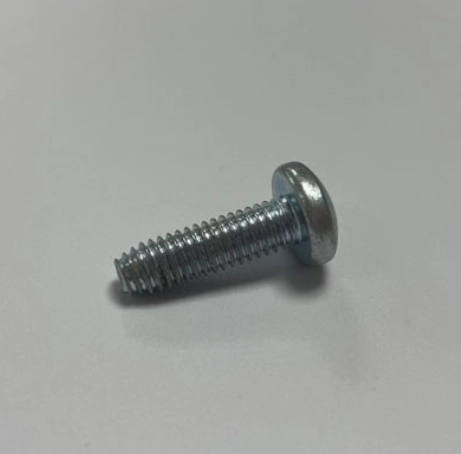
Trilobular Thread Forming Screws Pan Head DIN 7500 CE
This particular screw configuration generates accurate internal threads without generating stray debris. The pan head ensures broad surface engagement, which minimizes focused stress areas prone to moisture accumulation.
Installers frequently use it in sheet metal setups, electrical enclosures, and frames for industrial machinery, particularly where steady clamping and neat aesthetics hold importance.
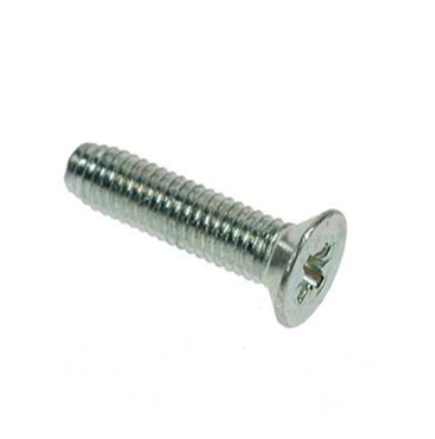
Trilobular Thread Forming Screws Csk Head DIN 7500 ME
The countersunk style aligns level with the surface, proving beneficial in contexts where even finishes are essential. Such flush placement also prevents water from gathering near the head, especially in open-air or cleaning-heavy settings.
These screws suit panels, covers, and exposed areas where controlling corrosion alongside visual quality matters greatly.
Coating and Material Options From Qewit
Qewit furnishes fasteners with treatments including bright zinc, zinc flake, and mechanical galvanizing. These layers delay corrosion progression while steering clear of problems like hydrogen embrittlement in robust fasteners.
Through custom finishes and material pairings, Qewit assists clients in tailoring fasteners to precise project demands, avoiding the need for later design alterations.
What Best Practices Should Be Followed on Site?
The ideal fastener can still underperform if assembly procedures receive insufficient attention. Routine actions during setup yield substantial benefits in the long run.
Pre-Assembly Inspection and Preparation
Workers must ensure surfaces remain clean and dry prior to fastening. Debris that gets trapped, oily remnants, or flawed coatings open doors for corrosion that mere layers cannot seal.
Verifying hole positions likewise avoids excessive tightening, which might fracture protective coverings.
Torque and Installation Techniques
Excessive torque harms coatings and generates frictional warmth. Insufficient torque permits slight shifts, allowing moisture to infiltrate the connection gradually.
Engineers design trilobular thread forming screws for specific torque levels. Adhering to suggested ranges maintains joint firmness without overburdening the materials involved.
Post-Installation Protection and Maintenance
Within challenging surroundings, regular checks detect initial corrosion indicators promptly. Refreshing coatings or applying sealants prolongs operational duration, particularly for visible assemblies.
Conducting preventive evaluations proves far more economical than handling urgent fixes.
Conclusion
Galvanic corrosion stems not from design errors but from interactions between materials. With adequate knowledge, professionals can address it successfully. Aligning fastener materials, applying appropriate coatings, and picking thoughtfully engineered screws all lower the associated risks.
Qewit’s trilobular thread forming screws, encompassing DIN 7500 CE pan head and DIN 7500 ME countersunk head variants, facilitate dependable metal-to-metal fastening in numerous sectors. When paired with Qewit’s coating selections and expert guidance, these options ensure assemblies endure longer, even under tough conditions.
Decisions regarding fastening made early in projects often determine the equipment’s performance over extended periods.
FAQ
Q1: Is stainless steel always the best choice to prevent galvanic corrosion?
A: Not always. Stainless steel can create strong galvanic reactions when paired with aluminum or carbon steel. In many cases, coated carbon steel fasteners provide better balance and longer service life.
Q2: Do thread forming screws increase corrosion risk compared to self-tapping screws?
A: No. Thread forming screws often reduce corrosion risk because they do not remove protective coatings inside the hole, keeping the base metal better protected.
Q3: Can coatings alone fully prevent galvanic corrosion?
A: Coatings help, but they work best when combined with proper material pairing and good installation practice. Relying on coatings alone may not be enough in wet or salty environments.


