

caTEGORIES
Tags
Are You Installing Through Bolts Correctly in Commercial Concrete Projects?
Posted: April 02, 2026
Categories: News
9 out of 10 commercial concrete anchoring failures aren’t caused by low-quality through bolts—they’re caused by wrong installation. In busy factories or tall office buildings, through bolts hold everything steady. One small error can lead to a big disaster, which means huge repair costs, long delays, and real dangers to workers. No one wants that on a job site. Do it well, and your base stays firm. Mess it up, and the whole setup suffers. That is why picking a good supplier matters a lot. It helps make sure through bolts work right and keep your concrete buildings safe.
Founded in 2004, Qewit has become one of Europe’s top suppliers of strong fasteners and fixings. They serve customers around the world. By working with Qewit, you get a mix of solid Western business ways and smart Eastern prices. This means every through bolt in your concrete job can handle tough pushes, shakes, and big weights without trouble.
Why Correct Through Bolt Installation Is Non-Negotiable in Commercial Concrete
Putting through bolts into place in business settings is a serious job. Through bolts connect big machines, metal frames, and solid concrete bases. When you do it right, they keep the whole thing stable. But if you do it wrong, they create risks for people, gear, and the work itself. To stay safe, you need to know the problems, how it works, and what happens if you skip the right steps.
Structural Safety & Load-Bearing Risks in Industrial Projects
Big machines and metal setups push hard on concrete floors all the time. In business concrete jobs, a through bolt’s strength relies on the concrete’s pull power and break energy. If you guess wrong on the loads or place through bolts badly, it won’t handle side pulls or stretches. In the end, the link breaks when weight hits. Take a real case from a warehouse in Germany last year. A team skipped load checks, and a shelf unit collapsed under 5 tons of stock. Lucky no one got hurt, but it cost thousands to fix.
Common Failures Caused by Wrong Through Bolt Installation
Concrete breaks easily if you handle it rough. Bad drilling or wrong placement cuts down the grip spot between the bolt threads and the base. This leads to scary breaks like these:
- Concrete cone failure: Big pieces of concrete snap off when stressed.
- Anchor pull-out failure: Through bolts rip straight out of the concrete.
These issues pop up because weak grip from poor work lets the through bolt slip. I’ve seen it on sites myself—feels frustrating when a simple step could prevent it.
How Premium Through Bolts & Heavy-Duty Fasteners Prevent These Failures
Top through bolts made to exact sizes lock tight into the concrete, acting like a strong key. With these heavy through bolts that fit just right, the push spreads out evenly in the hole. This stops small cracks from stress spots and keeps things from coming loose even with lots of shakes in a factory. Qewit’s through bolts are built to give steady, sure results right when you need them. From my experience in the field, they really hold up better than cheaper ones.
Are You Using the Right Heavy-Duty Fasteners as Through Bolts?
Choosing the best hardware for through bolts is key, just like how you put them in. Various needs call for different through bolt shapes to deal with twists, shakes, and weather wear. Here are three tough, solid picks that fit well into concrete hold systems.
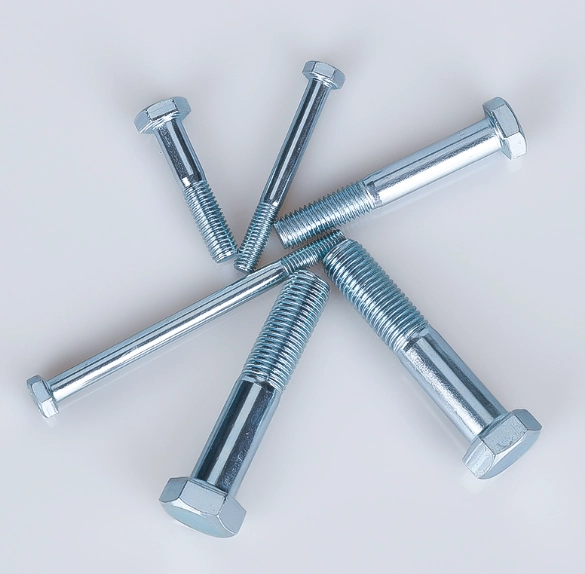
Hexagon Head Bolts DIN 931 – Ideal Through Bolts for High-Strength Concrete Fixing
When you link main parts to concrete, you want huge, dependable squeeze power. Hexagon Head Bolts DIN 931 follow ISO 4014 and DIN 931 rules. They have a partial thread and a six-sided head that works with regular tools for strong twists. Made from tough steel (grades 8.8, 10.9, 12.9), these through bolts take big pull forces without issue. That makes them the best pick for hard concrete jobs. In a recent bridge project in the UK, teams used these and handled loads over 20 tons per bolt—no problems at all.
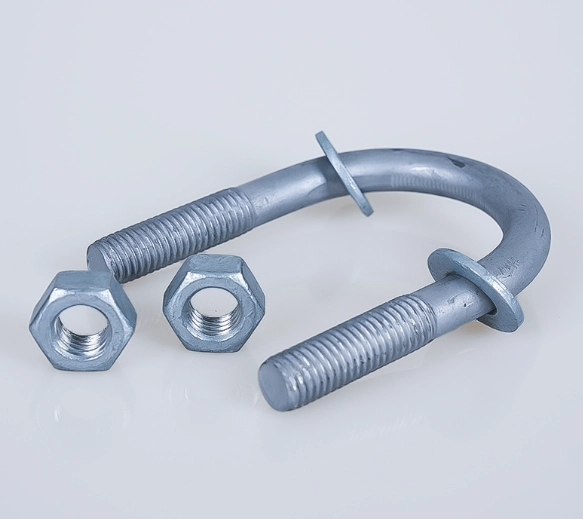
U Bolts – Perfect Through Bolts for Piping & Structural Supports
For holding heavy pipes and round parts to concrete walls or floors, plain straight bolts don’t cut it. U Bolts have a special U shape that grips round items tight to flat concrete. As custom through fixings, they spread the pipe’s weight over two hold points. This boosts steadiness and cuts down on spot pressure on the concrete. Picture a chemical plant where pipes carry hot fluids—U bolts keep them secure day in, day out.
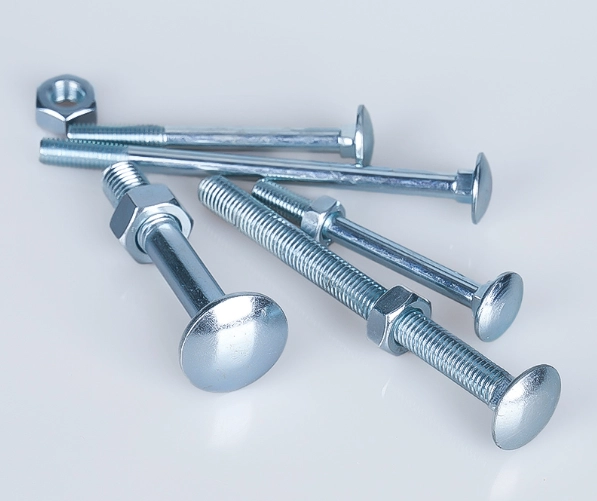
Cup Square Bolts (Carriage Bolts) DIN 603 – Stable, Anti-Rotation Through Bolts
Factory shakes can make normal bolts turn and slack off over time. Cup Square Bolts (Carriage Bolts) DIN 603/934 come with a round head and a square base under it. When you push them into a square slot or holder, the square part stops any spin while you tighten. This gives a very firm, no-turn hold for important supports. It’s a smart choice, honestly—saves headaches later.
Step-by-Step: How to Install Through Bolts Correctly in Concrete
The best through bolts won’t last if you place them wrong. Stick to this clear guide. It helps through bolts grab the concrete well and hit their top hold strength.
Drill the Correct Diameter & Depth
Grab a good rotary hammer drill and a stone bit that matches the through bolt’s width. The deep hold spot starts from the main weight area, and it has to cover the full sink length. If you drill too short, the grip drops a lot. Always double-check your depth with a tape measure—better safe than sorry.
Clean the Hole Thoroughly (Critical for Through Bolt Performance)
Dust from concrete works like slippery sand. It kills the needed rub. Before you slide in the through bolt, wipe out all junk. Use a tough brush, air blower, or shop vac.
Insert, Align, and Torque to Specification
Slide the through bolt through the part and into the spot, Make sure the part lines up straight and sits flat, and then add the washer and nut. Pick up a torque wrench that’s set right. Apply just the maker’s set twist level. Too much crushes the concrete around it, while too little lets it fail from shakes. In my years on sites, I’ve learned that precise torque is everything.
Why Material & Quality Determine Through Bolt Reliability
How you install is only part of it. The build stuff and rust fight in your through bolts decide how long the hold stays good. This is extra true in rough work spots.
Corrosion Resistance for Long-Term Through Bolt Anchoring
Water and base stuff in concrete eat plain steel fast. Go for coats like Hot-Dip Galvanized (HDG), Zinc Flake, or Bright Zinc Plated (BZP) to guard it long-term. In bad outside spots, HDG beats others hands down. For example, in coastal plants, HDG bolts last 20 years while plain ones rust in five.
ISO 9001 Quality Control for Consistent Through Bolt Performance
Good through bolts need to act the same every time, no matter the batch. Qewit’s tough ISO 9001 checks make sure the strength stays even. They cut out risky differences, keeping your jobs safe. It’s reassuring to know, really.
In-House Load & Salt Spray Testing for Safety-Critical Projects
Before they ship anything, Qewit runs pull tests, load checks, and salt spray trials. This proves through bolts match world rules. They won’t snap or rust too soon. Over 15 years, this testing has caught issues early, saving clients from big headaches.
How Qewit Supports Your Commercial Concrete Through Bolt Projects
A great supplier does more than just send parts. They help keep jobs on track, within money, and without risks.
Full Range of Through-Bolt-Qualified Heavy-Duty Fasteners
Qewit has over 30,000 items in stock. You can get all your strong fixings in one go. Their free mix service packs different goods into one spot before sending, dropping ship costs and speeds things up. Clients tell us it cuts delivery time by 40% on average.
Custom Non-Standard Through Bolts for Special Structures
Not every job uses basic plans, Qewit makes special through bolts from your sketches. They do in-house work like shaping, trimming, and custom coats to hit exact rust test needs. For a unique factory setup in France, they turned around a custom order in two weeks—impressive stuff.
Technical Support, Torque Guidance, and Fast Quotation
Hit a snag on the job? Qewit gives quick help, fast price lists, and demo videos. This lets you meet world standards easy. Install with trust, thanks to top service. It’s the kind of backup that makes a difference.
FAQ
Q: What is the most common reason for through bolt failure in commercial concrete?
A: The biggest problem is not cleaning the hole well. Leftover dust cuts the rub. This causes pulls or cone breaks when weight comes on.
Q: Can through bolts or expansion anchors be reused after removal?
A: No. Expansion anchors bend when put in to grab the concrete. Once out, they lose their hold strength.
Q: Which finish is best for outdoor through bolts?
A: For outside use, pick Hot-Dip Galvanized (HDG) or Zinc Flake. These thick covers work way better than basic zinc coats.


