

caTEGORIES
Tags
The Essential Professional Guide to Mastering Self Tapper Fastening
Posted: April 03, 2026
Categories: News
Have you ever dealt with a project where one ruined screw head stopped your whole production? Fastening is no small job. It is a key part of engineering. As a British-owned company started in 2004, Qewit offers a solid Western way to supply industrial goods. We make sure each fastener gives good value for the money. This fits what European and world markets need. We do not just sell items. We give Far Eastern value with support from former British leaders. They focus on strong supply chains and helpful advice. When you work with us, you get a setup for easy service. It runs from our careful making to your storage spots. All this comes with ISO 9001 quality checks.
Why Do Most Industrial Projects Struggle With Self Tapper Installation?
Getting things exact is the base of any good build. But many workers miss the simple ways a self tapping screw works with its base material. When you turn a screw into metal or plastic, it acts like a quick cutting tool.
Incorrect Pilot Hole Diameters and Material Thickness This is the top mistake. It happens with the size of the hole you drill first. A hole that is too tiny pushes the material aside. This builds huge stress inside. Often, it cracks the stuff or breaks the screw in half. On the other hand, a hole that is too big does not leave enough stuff for the threads to grab. So, the join fails with even a little shake. You need to pick the right drill bit size. Match it to your material’s thickness and the screw’s base width. That way, you get a firm hold. For example, in a car part factory I visited, they used a 3mm hole for 4mm self tapping screws in 1mm steel sheets. It worked great without cracks.
Excessive Torque Leading to Head Stripping New power tools spin fast. But without good control on the twist force, they hurt your fastener. If you push too hard at the end, the tool bit slips out. It grinds the screw’s top slot. Then, you cannot remove it. This pops up a lot in tough jobs. There, the push-back grows fast as the head touches the face. I have seen lines slow down for hours over this. Just last year, a client fixed it by setting tools to 5 Nm max torque. No more stripping.
Incompatible Fastener Material Selection for Corrosive Environments Picking the wrong stuff can cause big problems. Like “hydrogen embrittlement” or quick rust from different metals touching. If you pick plain carbon steel for wet or outside spots without a thick coat like hot-dip galvanizing or zinc flake, the join gets weak fast. For lasting strength, especially in big factories or water plants, go for top stainless steel. It is often the only choice to stop total breakdown. In coastal builds, stainless lasts 20 years easy, while coated ones fail in 5.
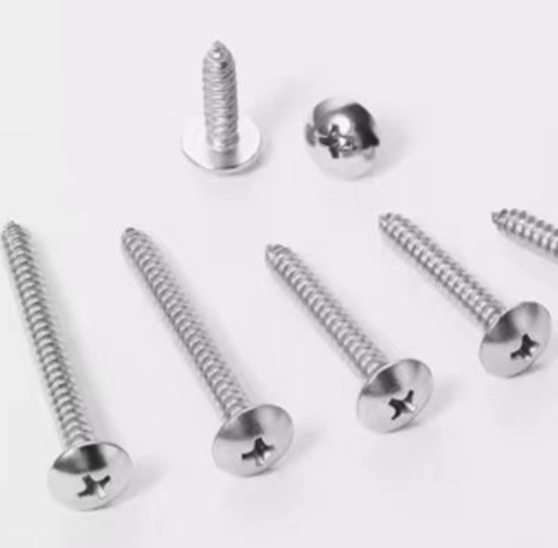
How Does the Truss Head Design Enhance Sheet Metal Stability?
With thin metal sheets, your big worry is “pull-through.” A normal screw top has a small flat spot. It can rip right through thin stuff if there is stress on the build.
Wider Bearing Surface for Maximum Clamping Force The truss head has a flat, low shape with a big round top. This spreads the hold force over a much bigger spot than a plain round or six-sided head. So, it cuts down the push on one area. The join stays steady even with heavy loads. Frankly, it’s a game-changer for shaky setups.
Prevention of Material Deformation in Thin Gauges Thin stuff bends or dents easy when you fasten it. The wide bottom of a truss head works like an extra flat ring. It adds strength around the hole. This stops the metal from pulling or bending in the last tight turn. Your panels keep their looks and strength.
Stainless Steel Truss Head Self Tapping Screws
For jobs that need strong rust fight and great hold, these are the top pick. They are made to give a flat look while having a huge flat base. You can see the details and buy them right here: Stainless Steel Truss Head Self Tapping Screws.
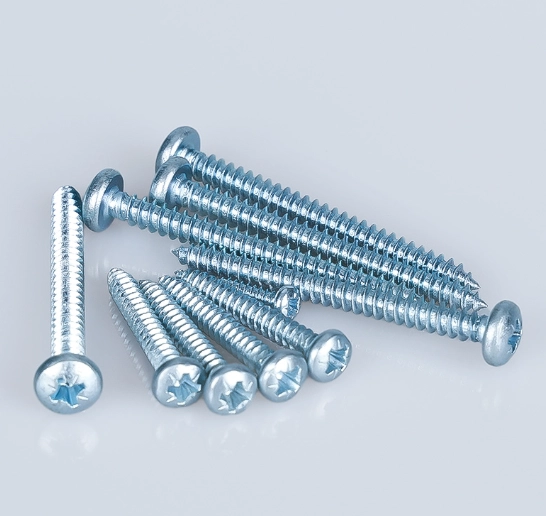
What Benefits Does the DIN 7981 Hexagon Pan Head Provide?
In many work places, putting steady high twist without slip makes the line run smooth. Or it clogs up bad.
High Torque Transfer Efficiency With Hexagon Drives Old slot or cross drives can slide. But a six-sided drive lets the tool fit deep and safe. This firm link sends super strong twist right to the threads. You get a tight fit that fights shakes in hard stuff like metal mixes or thick soft parts.
Reliable Performance in Precision Electronic Components The round head gives a clean, curved look. Its flat bottom sits even against a circuit board or box. No sharp sides mean it fits in tight spots. It keeps things safe from catches or wrong wires touching. In electronics, this is key. I always feel better using them there.
Stainless Steel Hexagon Pan Head Screw DIN 7981
These mix the small space use of a round head with the power of a six-sided drive. They follow tight world rules for fit in any factory setup. Look at the size choices for your next exact job: Stainless Steel Hexagon Pan Head Self Tapping Screw DIN 7981.
Can You Achieve a Flush Surface With DIN 7982 Screws?
In building designs and home setups, the screw needs to hide. Sticking out tops look bad. They can also hurt in busy spots.
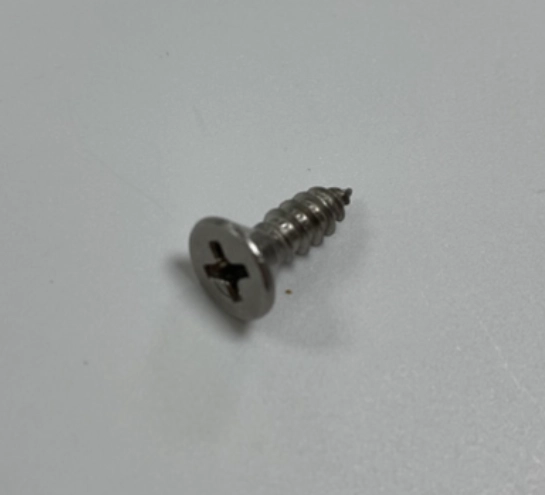
Clean Aesthetic Finish Through Countersunk Head Design The flat-down head fits in a cone-shaped hole you make first. When you put it in right, the top sits level with the face. Or a bit under. You can paint over it. Or just like the smooth lines of your work.
Self Centering Alignment With Phillips Drive Systems The cross-head drive centers the tool bit on its own. As you push, it goes right to the middle of the screw. This is key for flat-down screws. It makes sure they sit straight in the hole. So, no side sticks up. This cut-down action lowers the risk of the screw going in crooked.
Stainless Steel Phillips Countersunk Screw DIN 7982
If you want a pro flat look in wet or damp spots, the DIN 7982 is the go-to. Its Type C tip is set for fast start and firm threads. Check all the lengths and widths here: Stainless Steel Phillips Countersunk Head Self Tapping Screw DIN 7982 Type C.
How Does Professional Support Boost Your Global Supply Chain Success?
More than the hard parts, a big work project wins on how steady the seller is. And how good the info they give.
Comprehensive Quality Assurance and ISO 9001 Certification You should not wonder about your fastener quality. Each group goes through hard tests. Like salt spray for rust fight. Or pull tests for strength. ISO 9001 means the making stays the same. So, the last screw works like the first one you put in. In my experience, this saves tons of headaches down the line.
Professional Technical Support and Bespoke Product Services Each job has its own issues. You might need a odd length. Or a special coat like Geomet or Zinc Flake for salt tests. Or help with drawings. An expert side helps a lot. They guide you through 3.1 certs or full PPAP level 3 for car or plane work.
Efficient Goods Consolidation and Reliable Export Logistics Dealing with many sellers tires you out. With our one-stop group service, you gather all items. From bolts and nuts to flat rings and ties. Into one box. This free help boosts speed. It cuts talk needs. And makes sure parts come together. On time. Safe for far trips.
Service and Contact
We have over 30,000 product lines. And we aim to make customers happy. We are set to help your next job with top service and know-how.
- Contact Hotline: +86-186 7896 1578
- Telephone: +86(0)532-6671 8218
- Email: sales@qewitfastener.com
- Website: www.qewitfastener.com
FAQ
Q1: What is the difference between a self-tapping screw and a self-drilling screw?
A: A self-tapping screw needs a hole drilled first. It makes its own threads as you turn it in. A self-drilling screw, or TEK screw, has a drill-like tip. It makes the hole and cuts threads in one go. No pre-drill needed.
Q2: Why should I choose stainless steel over galvanized carbon steel for outdoor use?
A: Hot-dip galvanizing gives good cover. But it is just on the outside. Scratches or wear can break it down over time. Stainless steel fights rust all through. It works much better for long runs in beach, chem, or wet spots.
Q3: Can these self-tapping screws be reused if I need to disassemble the part?
A: Yes, in most cases. But the hold might get weaker each time. Self-tappers cut threads into the base. Doing it again wears those threads. It can lead to loose spots or a screw that spins free.


