About Materials:
As mentioned, common materials include metals.
1.Steel
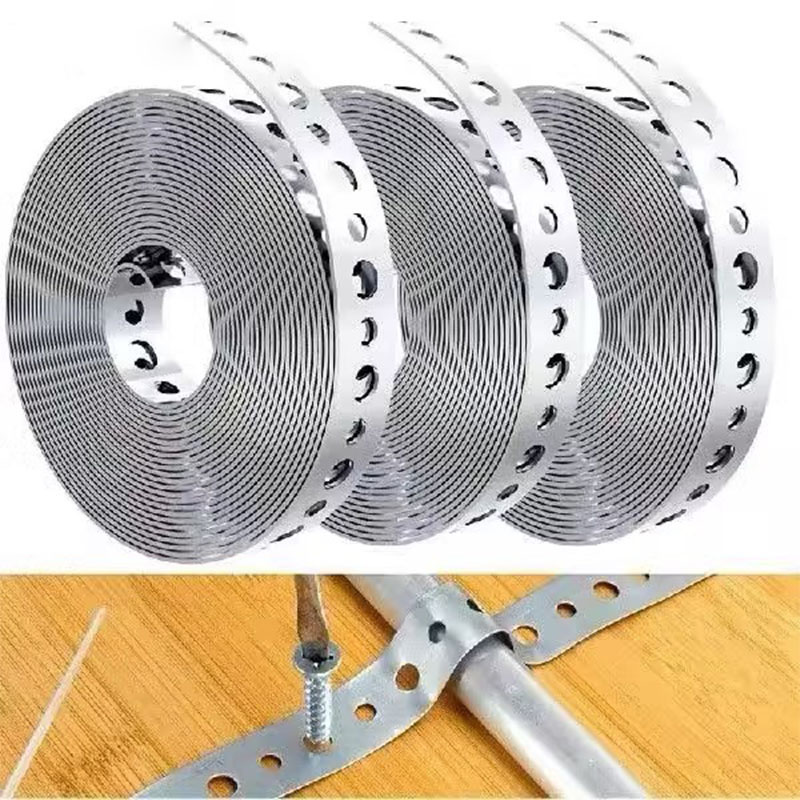
– Steel hole bands are known for their high strength and resistance to wear. They are often used in industrial settings such as in machinery and equipment. For example, in a conveyor belt system, the hole bands used to attach the belt to the rollers are usually made of steel to withstand the constant movement and heavy loads.
2.Brass
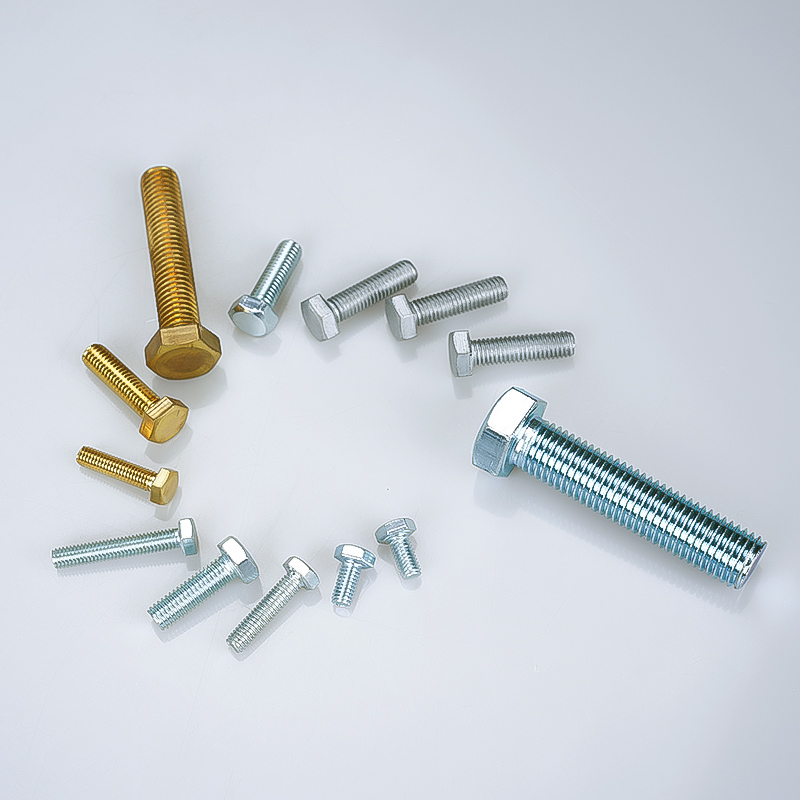
– Brass hole bands are popular for their aesthetic appeal and good corrosion resistance. They are commonly used in decorative hardware and in applications where a more refined look is desired. For example, in antique – style door handles or cabinet knobs, the hole bands might be made of brass to add a touch of elegance.
3.Aluminum
– Aluminum hole bands are lightweight and have good conductivity. They are used in applications where weight is a concern, such as in some electronics – related hardware. For example, in a computer chassis, the hole bands used to mount components might be made of aluminum to reduce the overall weight of the chassis.
Common Application:
1.Attachment:
The primary of a hole band is to provide a means of attachment. It can be used to attach a strap, a cable, a rod, or other objects. For example, in a backpack, the hole bands on the frame are used to attach the shoulder straps and other accessories.
2.Support:
Hole bands can also serve as a support structure. In a shelving unit, the hole bands on the vertical supports can hold the shelves in place, providing a stable platform for storing items.
3.Connection:
They are used to connect different parts of a structure or a device. In a musical instrument like a guitar, the hole bands on the body can be used to connect the strings and other components, allowing for the proper of the instrument.
FAQ:
Q: What is the length per roll, and can custom lengths be made?
A: Standard roll lengths include 10m, 25m, 30m.






 Chat Now
 Enquire for Prices


