

Как выбрать болты и гайки, соответствующие стандартам ISO, DIN и ASTM.
Опубликовано: 26 июня 2026 г.
Категории: Новости
Покупка болтов и гаек для строительства или производства может обернуться проблемами, даже если размер кажется правильным. Партия может поступить с неправильным сортом, несоответствующими гайками, неподходящим покрытием или отсутствующими документами. Для покупателей, инженеров и дистрибьюторов стандарты крепежных изделий ISO, DIN и ASTM являются основой для контроля качества, монтажа, обеспечения безопасности и повторных заказов.
Начните с чертежа, затем проверьте нагрузку, условия эксплуатации, способ сборки, марку стали, класс гайки, отделку и требования к сертификату.
Кьюит Компания поставляет стандартные и изготовленные на заказ крепежные изделия для промышленных заказчиков, включая болты, установочные винты, гайки, шайбы, крепежные элементы, резьбовые стержни, изделия из нержавеющей стали и специальные детали. Ассортимент продукции, соответствующий стандартам DIN и ISO, полезен, когда один заказ требует одновременного включения болтов с частичной резьбой, установочных винтов с полной резьбой, гаек и противооткручивающих гаек.
Почему стандарты ISO, DIN и ASTM важны для болтов и гаек?
Стандарт на крепежные изделия может определять размеры, форму резьбы, допуски, механические свойства, материал, отделку, маркировку и требования к испытаниям. Эти детали определяют, пройдет ли партия товара входной контроль и будет ли соединение функционировать должным образом.
Если в заказе указано только «болт и гайка M12», у поставщика все равно слишком большой выбор. Это болт с частичной или полной резьбой? Из какой стали марки: 8.8, 10.9 или нержавеющая сталь A2? Достаточно ли цинкового покрытия, или для проекта требуется горячее цинкование или цинковая крошка?
Стандарты предотвращают неправильную замену.
Системы DIN, ISO и ASTM могут охватывать изделия, похожие на вид, но схожие размеры не всегда означают одинаковые характеристики. Перед заменой покупателю следует проверить номер стандарта, марку, резьбу и спецификацию проекта.
Неправильные стандарты приводят к необходимости доработки.
Неправильно подобранные крепежные элементы могут сначала подойти, но позже выйти из строя. Резьба может плохо совпадать. Гайка может оказаться слишком слабой для болта. Покрытие может не соответствовать условиям эксплуатации. Проект может отклонить партию, потому что сертификат не соответствует требованиям. Именно поэтому стандарты болтов и гаек для строительства следует подтверждать перед отгрузкой.
Если в проектной документации указан стандарт ASTM, покупатели не должны заменять его на стандарт DIN или ISO только потому, что размеры кажутся близкими. Замена должна быть проверена по чертежу, требованиям к механическим свойствам и документации по контролю качества.
Как покупателям выбирать болты и гайки для строительных проектов?
В ходе строительных проектов обычно уделяется внимание нагрузке, коррозии, безопасному монтажу и отслеживаемой документации.
Для несущих соединений необходимы подтвержденные параметры прочности.
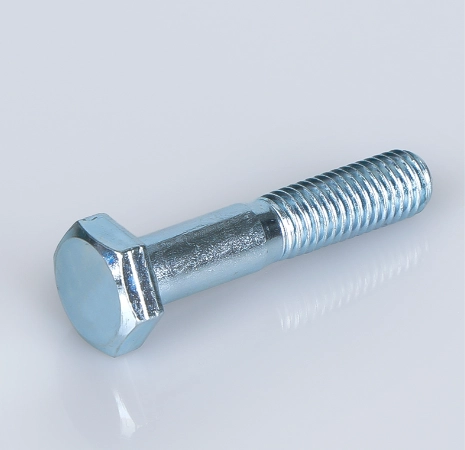
Для применения с болтами с шестигранной головкой и частичной резьбой, Шестоугольные головные болты DIN 931 Это практичный вариант для рассмотрения. Компания Qewit классифицирует этот продукт в соответствии со стандартами DIN 931, ISO 4014, DIN 960, ISO 8765 и DIN 601, предлагая варианты из углеродистой стали, нержавеющей стали или материалов по индивидуальному заказу. На странице также представлены варианты отделки, такие как естественный цвет, цинковое покрытие, горячее цинкование и цинковая крошка.
Этот тип болта подходит для случаев, когда нерезьбовая часть способствует выравниванию, зажиму или поддержке при сдвиге.
Наружные и вибрационные зоны требуют дополнительной проверки.
Крепление для наружных работ – это не только прочность. Оцинкованные крепежные элементы могут подойти для многих внутренних или умеренных условий эксплуатации, в то время как для более суровых условий можно рассмотреть горячее цинкование или цинковую крошку.
Некоторые узлы также подвергаются вибрации или многократным изменениям нагрузки. В таких случаях, Шестиугольные нейлоновые гайки вставки с фланцем DIN 6926 Такой вариант можно рассмотреть в тех случаях, когда подходит конструкция с нейлоновой вставкой и фланцем. Фланец помогает распределить давление подшипника, а нейлоновая вставка повышает устойчивость к ослаблению. Необходимо также проверить воздействие температуры и химических веществ.
Как правильно выбирать болты и гайки для промышленного применения?
Многие покупатели спрашивают, как выбрать болты и гайки для промышленного применения, не замедляя сборку и не увеличивая процент брака. Ответ зависит от типа резьбы, доступного пространства, способа затяжки, соответствия класса и частоты использования.
Винты с полной резьбой для общей сборки
Для общего крепления, где требуется полное зацепление резьбы. Шестугольный набор винтов DIN 933 Полезно проводить сравнение. Компания Qewit указывает стандарты DIN 933, ISO 4017, DIN 961, ISO 8676 и DIN 558 для данного продукта, включая углеродистую сталь, нержавеющую сталь, латунь и несколько марок стали повышенной прочности или нержавеющей стали.
Выбор между DIN 931 и DIN 933 — это разные вещи. DIN 931 имеет частичную резьбу и часто используется там, где важна длина хвостовика. DIN 933 имеет полную резьбу и часто используется, когда резьба должна проходить близко к головке.
Необходимо проверить совместимость болтов и гаек по классам прочности.
При совершении покупок в условиях ограниченного времени часто упускается из виду вопрос совместимости болтов и гаек по классу. Высококачественный болт не следует использовать в паре со слабой или неподходящей гайкой. Метрические шестиугольные полные гайки DIN 934 Они подходят для многих стандартных задач по крепежу. Компания Qewit предлагает крепежные элементы, соответствующие стандарту DIN 934, с диапазоном размеров M2.5-M100 и марками стали, включая 6, 8, 10, 12, A2, A4 и латунь.
Класс гайки, материал, покрытие и точность резьбы должны соответствовать болту и условиям эксплуатации.
Что следует проверить покупателям перед заказом стандартных крепежных изделий?
Четкий запрос коммерческого предложения экономит время и уменьшает возможности поставщика гадать. Контрольный список соответствия крепежных изделий требованиям для покупателей должен охватывать пункты, определяющие, пройдет ли поставка проверку.
| Пункт запроса коммерческого предложения | Почему это важно |
|---|---|
| Стандартное число | Предотвращает неправильную замену |
| Класс болтов | Контроль силы и приемлемости |
| Класс орехов | Влияет на соответствие оценок |
| Заканчивать | Влияет на коррозионную стойкость |
| Требуется сертификат | Помогает избежать отбраковки при проверке. |
| Среда приложений | Тип покрытия направляющих и тип гайки |
Многие проблемы с крепежными элементами начинаются с неполного запроса коммерческого предложения. Покупатель может указать диаметр и длину, но не указать номер стандарта, марку, тип покрытия, класс гайки или требования к сертификату. Еще одна распространенная ошибка — замена болта с частичной резьбой на винт с полной резьбой только потому, что у обоих есть шестигранная головка.
Как компания Qewit может поддерживать поставку стандартных и нестандартных крепежных изделий?
Qewit полезен для покупателей, которым в одном заказе требуется несколько связанных типов крепежных изделий, таких как болты, гайки, шайбы и специальные детали. Для нестандартных заказов покупатели могут предоставлять чертежи, образцы, требования к материалам, требованиям к отделке и упаковке. Qewit также перечисляет области обслуживания, такие как техническая поддержка, нестандартная продукция, поиск и закупка поставщиков, а также консолидация товаров.
Практическое правило: начинайте с чертежа, затем уточняйте марку, класс гайки, отделку и требования к сертификату в указанном порядке. При выполнении конструкционных или наружных работ не следует рассматривать покрытие как второстепенный вопрос. При работе с механизмами и сборочных работах выбор гайки не должен рассматриваться как второстепенная задача.
Если ваш проект включает в себя смешанные стандарты, вопросы соответствия класса, неопределенность в отношении покрытия или требования к документации, подготовьте чертеж, целевое применение, количество и требования к контролю качества, прежде чем отправлять запрос. Вы можете использовать Qewit. контакт Необходимо четко указать эти детали на соответствующей странице, особенно если заказ включает несколько типов болтов и гаек.
Часто задаваемые вопросы
В: Являются ли стандарты крепежных изделий ISO DIN и ASTM взаимозаменяемыми?
А: Не всегда. Некоторые размеры могут казаться близкими, но механические свойства, допуски, материал, покрытие или требования к контролю могут отличаться. Перед заменой проверьте чертеж и спецификацию проекта.
В: В чем разница между DIN 931 и DIN 933?
A: DIN 931 — это болт с шестигранной головкой и частичной резьбой. DIN 933 — это установочный винт с шестигранной головкой и полной резьбой. Выбор зависит от опоры стержня, степени зацепления резьбы и конструкции соединения.
В: Что покупателям следует уточнить перед заказом болтов и гаек?
A: Подтвердите стандартный номер, размер, шаг резьбы, марку, материал, отделку, класс гайки, область применения, упаковку и требования к документации. Для болтов и гаек, используемых в строительстве или машиностроении, также проверьте вибрацию, воздействие внешней среды и необходимость технического обслуживания.


