

Распространенные дефекты стиральных машин и как строгий контроль качества на производстве предотвращает их.
Опубликовано: 24 июля 2026 г.
Категории: Новости
Теги: новости
Шайбы выглядят простыми, но даже небольшие дефекты могут повлиять на работу болтового соединения. Неправильный диаметр отверстия, шероховатый край, слабый профиль зубьев, неравномерная форма пружины или плохое качество обработки поверхности могут привести к повреждению поверхности, ослаблению крепления, коррозии или необходимости повторного обслуживания. Для закупочных групп, оценивающих производителей промышленных шайб, решающим фактором является не только соответствие изделия чертежу, но и то, насколько материалы, размеры, покрытие, контроль качества и отгрузочная документация контролируются как единый процесс.
Кьюит Компания Qewit поставляет крепежные изделия, фиксаторы, шайбы, гайки, болты, винты и сопутствующие промышленные расходные материалы зарубежным покупателям. Как специализированный поставщик крепежных изделий и шайб, Qewit предлагает стандартные компоненты наряду с индивидуальной поддержкой, включая варианты обработки поверхности, услуги сортировки, образцы для предсерийного или предотгрузочного производства, а также документы для контроля качества, такие как сертификация 3.1, ISIR и PPAP, при необходимости. Для покупателей, закупающих шайбы стандарта DIN, это делает выбор продукции менее зависимым от одних только каталожных названий и более соответствующим фактическим требованиям контроля качества и проекта.
Какие дефекты стиральных машин чаще всего создают проблемы при промышленной сборке?
Большинство проблем со стиральными машинами начинаются еще до установки. Стиральная машина может пройти быструю визуальную проверку, но как только она попадает в раму машины, электрический шкаф, компонент транспортного средства или конструктивное соединение, небольшой дефект может повлиять на усилие зажима и контакт с поверхностью. Поэтому контроль качества стиральных машин должен быть сосредоточен на точках отказа, которые обычно приводят к последующим затратам.
Отклонение размера и плохая посадка
Плоские шайбы имеют множество дефектов, и один из наиболее распространенных — отклонение в размерах. Шайба со слишком малым внутренним диаметром может задевать края крепежного элемента, замедляя вращение узла; с другой стороны, слишком большое отверстие не обеспечит достаточной поддержки вокруг стержня болта и может выйти из строя под нагрузкой. Однако наиболее важными размерами плоской шайбы являются внешний диаметр, который определяет, насколько плотно шайба прилегает к другим шайбам или к смежным поверхностям близко расположенных деталей; и толщина шайбы, которая влияет на распределение силы по контактирующим поверхностям.
Еще одна очевидная опасность возникает при работе с соединениями большой нагрузки. Слишком тонкая или слишком узкая шайба может привести к тому, что головка болта или гайка поцарапают поверхность, особенно на окрашенных, оцинкованных или мягких основных материалах. Поставщик должен проверять внутренний диаметр, внешний диаметр и толщину шайб при поставке на соответствие требованиям DIN, а не только проверять номинальный размер.
Заусенцы и неровные края
Заусенцы могут образовываться в результате штамповки, резки или некачественной обработки кромок. На первый взгляд, в упаковке они могут показаться незначительными, но способны поцарапать детали с покрытием, препятствовать полной посадке или создавать неравномерный контакт при затягивании. В узлах, где шайбы используются вблизи обработанных поверхностей, контроль заусенцев не является чисто эстетическим вопросом. Он влияет на качество установки.
Неровные края также снижают стабильность укладки стиральных машин и автоматической подачи. Для покупателей, использующих стиральные машины в серийном производстве, это может привести к простоям, дополнительной ручной проверке и предотвратимому браку на сборочной линии.
Разрушение покрытия и ранняя коррозия
Повреждение покрытия шайб часто проявляется уже после установки. Тонкое покрытие, неравномерное нанесение или неподходящий выбор отделки могут привести к появлению красной ржавчины, пятен на поверхности или преждевременной замене. Цинковое покрытие, горячее цинкование и цинковые хлопья предназначены для разных условий эксплуатации, поэтому покрытие должно соответствовать условиям работы, а не только ценовому диапазону.
Техническим специалистам по закупкам следует запрашивать информацию об испытаниях в солевом тумане или о защите от коррозии, если шайбы будут использоваться на открытом воздухе, во влажных цехах или на оборудовании, подвергающемся воздействию чистящих средств. Для плоских шайб, указанных в технических данных Qewit, для меньших размеров, таких как M6 и M8, период защиты от коррозии составляет 480 часов, в то время как для более тяжелых размеров от M10 до M60 — 720 часов. Такие данные позволяют покупателям более практично сравнить риск повреждения покрытия шайб перед оптовыми закупками.
Как контроль качества предотвращает поломки плоских шайб?
Плоские шайбы используются для распределения давления и защиты соединяемой поверхности. Их функционирование зависит от простых, но строгих деталей: правильных размеров, стабильной толщины, подходящего материала и контролируемой обработки поверхности. Если эти моменты не проверяются перед отгрузкой, покупатель может обнаружить проблему только во время сборки.
Контроль размеров перед отгрузкой
Контроль размеров проверяет соответствие шайбы требуемому стандарту или чертежу. Для плоских шайб это означает проверку внутреннего диаметра, внешнего диаметра и толщины. Эти параметры определяют, подходит ли шайба к болту, правильно ли закрывает отверстие и плотно ли прилегает под нагрузкой при затяжке.
Компания Qewit использует средства контроля качества для проверки отгружаемой продукции, включая оборудование для проверки размеров и поверхности. Это полезно для покупателей, импортирующих заказы на крепежные изделия различной толщины, поскольку проблемы с шайбами проще предотвратить на этапе производства, чем решать после прибытия товара.
Эффективность распределения нагрузки
Основная задача плоской шайбы — распределять давление между крепежным элементом и основным материалом. Если шайба имеет недостаточный размер, слишком тонкая или имеет неравномерную форму, площадь контакта становится менее надежной. Это может привести к образованию вмятин, повреждению покрытия или неравномерному зажиму.
При работе с рамами машин, проведении технического обслуживания, использовании тяжелого оборудования и соединениях металлических конструкций покупателям не следует рассматривать все плоские шайбы как взаимозаменяемые. Площадь опоры и толщина должны соответствовать нагрузке при сборке и защищаемой поверхности.
Рекомендуемый продукт для соединений повышенной прочности.
Для точек крепления, требующих более прочной опоры на поверхности, Тяжелые плоские круглые мойки DIN 7349 Они являются подходящим вариантом. Они предназначены для соединений с высокими нагрузками, где распределение нагрузки вокруг отверстия под болт имеет большее значение, чем использование обычной тонкой шайбы.
Компания Qewit поставляет этот продукт из углеродистой стали с различными вариантами отделки, такими как цинкование, горячее цинкование и цинковая крошка. Покупатели могут рассматривать эту шайбу для ремонта оборудования, крепления конструкций, сборки оснований машин и в тех случаях, когда сопрягаемая поверхность должна быть защищена от концентрированного давления.
Как дефекты стопорной шайбы могут привести к её ослаблению?
Стопорные шайбы выбираются в тех случаях, когда существует риск ослабления крепления. Их роль зависит от контролируемой геометрии и свойств материала. Если зубья плохо сформированы, шайба может потерять сцепление. Если шайба не соответствует поверхности, она может не обеспечивать ожидаемой защиты от ослабления крепления.
Слабое прикрепление зубов
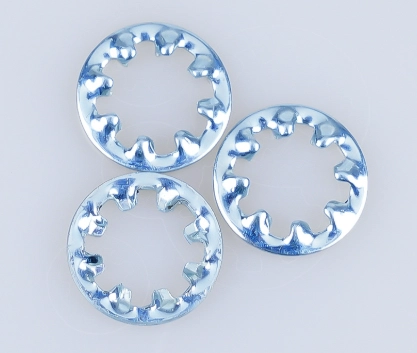
Внутренние зубчатые стопорные шайбы работают за счет того, что их зубья врезаются в сопрягаемую поверхность во время затяжки. Если профиль зубьев неглубокий, неровный или поврежден, шайба может действовать как обычная прокладка, а не как стопорный элемент. Это скрытый дефект, поскольку он может быть незаметен до установки.
Покупателям следует проверить, может ли поставщик контролировать форму и качество обработки зубьев. Это особенно важно для компактных узлов, где ограничено пространство для других методов предотвращения расшатывания.
Низкая виброустойчивость
Устойчивость стопорной шайбы к вибрации зависит от того, насколько хорошо шайба сохраняет сцепление при движении. В электрических корпусах, небольшом оборудовании, панелях управления и легких механических узлах вибрация может постепенно снижать усилие зажима. Некачественно изготовленная стопорная шайба может допускать перемещение между поверхностями, что впоследствии проявляется в виде шума, ослабления или необходимости многократного затягивания.
Рекомендуемый продукт для компактных противооткручивающих устройств.
Для компактных точек крепления, Внутренние зубные замки DIN 6797J Стоит обратить на них внимание. Они изготовлены из пружинной стали и имеют внутренние зубцы для улучшения сцепления после затяжки.
Этот тип шайбы подходит для небольших узлов, где пространство ограничено, внешний край должен оставаться чистым, или функция предотвращения ослабления должна располагаться близко к крепежному элементу. Покупателям все же следует подбирать шайбу в соответствии с сопрягаемой поверхностью, методом затяжки и уровнем вибрации, а не предполагать, что одна стопорная шайба решит все проблемы с ослаблением.
Почему точный контроль пружинных шайб важен в условиях сильной вибрации?
Пружинные шайбы широко используются, поскольку обеспечивают осевую гибкость. Их функционирование зависит от формы разреза, спиральной формы, свойств материала и состояния поверхности. Поэтому при проверке пружинных шайб следует уделять внимание однородности всей партии, а не только тому, выглядит ли изделие как пружинная шайба.
Стабильность пружинной силы
Пружинная шайба создает усилие между головкой крепежного элемента или гайкой и поверхностью основания. Если форма шайбы различается в разных партиях, то и реакция пружины может отличаться. В станке или металлическом каркасе с множеством точек крепления это может привести к неравномерному поведению при сборке.
Покупателям следует обращать внимание на форму пружины, равномерность толщины и качество обработки поверхности. Эти факторы влияют на то, сможет ли шайба стабильно работать после затяжки.
Осевая гибкость и функция предотвращения ослабления крепления
Осевая гибкость помогает шайбе реагировать на небольшие перемещения в соединении. Это может способствовать предотвращению ослабления крепления в условиях общей вибрации. Однако шайба по-прежнему должна работать с надлежащим крутящим моментом, подходящим классом крепежа и стабильной сопрягаемой поверхностью.
Пружинная шайба не заменяет собой неудачную конструкцию соединения. Это лишь одна из частей крепежной системы. Поэтому покупатели должны сообщить поставщику, где будет использоваться шайба, будет ли соединение подвергаться вибрации, а также требуется ли дополнительное покрытие или защита от коррозии.
Рекомендуемый продукт для общего контроля вибрации.
Прямые пружинные мойки DIN 127B Они подходят для общего применения, где необходима осевая гибкость и защита от ослабления крепления. Компания Qewit поставляет этот продукт из пружинной стали с различными вариантами отделки, такими как цинковое покрытие и цинковая крошка.
Данная шайба может использоваться для технического обслуживания машин, сборки оборудования и стандартных промышленных крепежных элементов, если чертеж или область применения требуют пружинной шайбы DIN 127B, а покупателю необходима контролируемая поставка с поддержкой контроля качества.
На что следует обратить внимание покупателям при выборе поставщика стиральных машин?
При выборе поставщика стиральных машин следует обращать внимание не только на цену за единицу продукции. Покупателям также необходимо учитывать возможности контроля качества, наличие документации, варианты отделки и скорость реагирования на вопросы, касающиеся качества. Недорогая стиральная машина становится дорогой, если она требует сортировки, задержек при сборке или замены на месте эксплуатации.
Партионное тестирование и отслеживаемость
Партитурные испытания помогают подтвердить, что качество поставляемых стиральных машин контролируется не только на этапе выборочного контроля. Прослеживаемость также важна, когда покупателю необходимо отделить одну партию от другой или ответить на вопрос конечного клиента о качестве.
Компания Qewit заявляет, что может тестировать каждую партию перед отгрузкой и проводить повторное тестирование в случае, если клиенты высказывают опасения по поводу качества. Для покупателей, оформляющих повторные заказы, это гораздо полезнее, чем получать только название товара и этикетку на коробке.
Сертификационные и инспекционные документы
Промышленным покупателям могут потребоваться документы, подтверждающие качество продукции, до начала ее производства. В зависимости от проекта, это могут быть документы, подтверждающие материалы, отчеты о размерах или документы, разрешающие производство.
При необходимости компания Qewit может обеспечить сертификацию по стандартам 3.1, ISIR и PPAP до уровня 3. Покупателям следует уточнить эти требования перед размещением заказа, поскольку подготовка документации, отбор проб и объем контроля могут повлиять на планирование производства.
Контакты службы поддержки и индивидуальная техническая поддержка
Некоторые требования к шайбам не могут быть удовлетворены только за счет выбора из каталога. Покупателю может потребоваться конкретное покрытие, услуга сортировки, предпродажный образец или производство по чертежам. Компания Qewit оказывает поддержку в производстве нестандартных крепежных изделий по чертежам или образцам, а также в нанесении покрытий и контроле качества.
В проектах с неясным выбором шайб, закупкой смешанных крепежных элементов или требованиями к документации, необходимо заблаговременно сообщить тип шайбы, стандарт, размер, материал, отделку, условия эксплуатации и документы по проверке. связаться с Qewit с этими данными команда сможет проверить, какой вариант лучше подойдет: стандартная шайба DIN или нестандартный.
Часто задаваемые вопросы
В: Какие наиболее распространенные дефекты стиральных машин встречаются в промышленных закупках?
А: К наиболее распространенным дефектам относятся неправильный внутренний диаметр, неравномерный внешний диаметр, неравномерная толщина, заусенцы, неправильная форма зубьев, слабая форма пружины и разрушение покрытия. Эти дефекты могут влиять на посадку, распределение нагрузки, вибростойкость и коррозионную стойкость.
В: Какую шайбу следует использовать для повышения виброустойчивости?
А: Это зависит от типа сборки. Внутренние зубчатые стопорные шайбы DIN 6797J полезны для предотвращения ослабления креплений в компактных конструкциях, в то время как прямоугольные пружинные шайбы DIN 127B обеспечивают осевую гибкость для общего контроля вибрации. При окончательном выборе следует учитывать материал поверхности, способ затяжки, нагрузку и уровень вибрации.
В: Почему покупателям следует запрашивать документы о контроле качества стиральных машин?
А: Документы, подтверждающие качество, помогают убедиться в том, что партия моек прошла проверку на соответствие согласованным требованиям. Для промышленных заказов такие документы, как сертификация 3.1, ISIR, PPAP, отчеты о размерах или информация о результатах испытаний покрытия, могут снизить риски при приемке и облегчить взаимодействие с конечными потребителями.


