

Практический контрольный список для проверки промышленных болтов и гаек.
Опубликовано: 17 июля 2026 г.
Категории: Новости
Промышленные болты и гайки редко выходят из строя без предупреждения. Прежде чем соединение станет небезопасным, обычно появляются видимые или измеримые признаки: ослабление посадочного места, повреждение резьбы, потеря покрытия, следы ржавчины, деформация шайбы или многократная потеря крутящего момента. Практический плановый осмотр помогает ремонтным бригадам выявлять эти проблемы на ранней стадии, а также помогает покупателям выбирать крепежные элементы, соответствующие реальным условиям эксплуатации.
Кьюит Компания Qewit поставляет крепежные изделия и фурнитуру для промышленного, строительного, механического и экспортного применения. Ассортимент включает болты, гайки, шайбы, болты для бетона, гайки с нейлоновой вставкой, болты с квадратной головкой, анкеры, резьбовые стержни, шпильки и специальные детали. Для покупателей, которым необходима отслеживаемость поставок, Qewit также оказывает поддержку в контроле качества, технической проверке, изготовлении продукции на заказ, упаковке, доставке и координации экспорта. Это важно, поскольку болтовое соединение — это не просто покупка небольшого компонента. Оно влияет на время монтажа, объем работ по техническому обслуживанию и долгосрочную надежность оборудования.
Почему необходимо регулярно проверять промышленные болты и гайки?
Болтовое соединение подвергается воздействию нагрузки, вибрации, влаги, перепадов температуры и особенностей монтажа. Даже если первоначальная сборка была выполнена правильно, соединение может измениться после нескольких месяцев эксплуатации. Полезная процедура проверки должна включать не только проверку наличия крепежного элемента на месте, но и проверку того, выполняет ли соединение свою функцию.
Незначительное ослабление крепления может привести к структурному риску.
Небольшое ослабление крепления может поначалу показаться безобидным, особенно на неподвижных рамах или опорных кронштейнах. Риск заключается в том, что после первого перемещения распределение нагрузки изменится. Один крепежный элемент начнет испытывать большую нагрузку, расположенные рядом отверстия могут удлиниться, а соединение может начать дребезжать, смещаться или изнашивать соединяемую поверхность.
При обслуживании промышленных крепежных элементов проверьте, надежно ли зафиксированы головки болтов, гайки, шайбы и соединительные пластины. Обратите внимание на блестящие следы трения вокруг отверстия, трещины краски вблизи соединения или пылевые пятна, образовавшиеся в результате движения. Эти небольшие признаки часто появляются до образования видимого зазора.
Коррозия и износ сокращают срок службы.
Коррозия влияет не только на внешний вид. Ржавчина может уменьшить зацепление резьбы, затруднить последующее снятие и скрыть трещины или повреждения поверхности. Износ также может сплющить кромки резьбы или повредить опорную поверхность под гайкой.
Если объект подвергается воздействию наружного воздуха, влажных цехов, строительной пыли или чистящих средств, на этапе закупки следует рассмотреть возможность использования коррозионностойких крепежных элементов. Компания Qewit предлагает различные варианты отделки в рамках соответствующих линеек продукции, такие как цинкование, горячее цинкование, механическое цинкование и цинковая крошка, в зависимости от продукта и области применения.
Протоколы проверок помогают ремонтным бригадам действовать на более ранних стадиях.
Ведение качественной документации по осмотру экономит время при следующем сервисном обслуживании. Записывайте местоположение, тип крепежа, видимое состояние, результат затяжки и информацию о том, ослаблялось ли это соединение ранее. Если одно и то же место постоянно выходит из строя, проблема может быть не в ремонтной бригаде. Причиной может быть неправильный тип крепежа, плохое состояние отверстия, неподходящая обработка поверхности или недостаточная защита от ослабления.
Пошаговый контрольный список для проверки болтовых соединений
Контрольный список для проверки болтовых соединений должен эволюционировать от наблюдения за очевидным физическим износом к более фундаментальной механической оценке. Вместо того чтобы снимать все крепежные элементы, как это делается во время планового технического обслуживания, следует проверять точки крепления, находящиеся в эксплуатации и несущие нагрузку, подверженные вибрации или коррозии.
Этап 1: Видимое смещение, зазоры и несоответствие
Убедитесь, что детали плотно прилегают друг к другу. Зазор возле головки болта, шайбы или гайки указывает на то, что соединение утратило свою зажимную силу. Несоосность соединения также свидетельствует о том, что нагрузка больше не распределяется равномерно.
Также обратите внимание на материал основания для точек крепления в бетоне. Есть ли трещины вокруг отверстия? Выделяется ли пыль из точки крепления? Болт просто проворачивается, но не затягивается? Это может указывать на недостаточное сцепление с бетоном.
Этап 2: Повреждение резьбы, износ головки и посадка гайки.
Повреждение резьбы обычно является результатом перекоса резьбы, чрезмерного затягивания, попадания грязи в резьбу или предыдущих повреждений и последующего повторного использования. Проверьте любую открытую резьбу на наличие повреждений и убедитесь, что гайка плотно прилегает к поверхности.
Правильная посадка гайки особенно важна для оборудования, подверженного вибрации. Если гайка установлена неправильно, функция фиксации может работать некорректно. Именно поэтому соответствие геометрии болта, гайки и шайбы имеет большее значение, чем многие покупатели предполагают.
Этап 3: Ржавчина, потеря покрытия и загрязнение поверхности.
Красная ржавчина, белые продукты коррозии, отслаивающееся покрытие, загрязнение маслом и попадание мусора — распространенные признаки разрушения покрытия. В частности, разрушение покрытия вблизи подшипниковых узлов может быть вызвано затяжкой неправильными инструментами или неправильной скоростью затяжки. Кроме того, грязь, застрявшая под гайками или шайбами, может создавать ложное ощущение затяжки.
Даже незначительные повреждения покрытия можно задокументировать. Однако если чистый участок начинает быстро ржаветь, может потребоваться изменить подготовку поверхности или даже материал, используемый для соединения.
Стандартизация крепежных элементов для типичных сценариев отказов
Выбор подходящей детали зависит от типа соединения, а не только от размера резьбы. Крепежный элемент, используемый в бетоне, деревянном каркасе или вибрационной машине, может потребовать другой конструкции головки, способа фиксации или отделки. Именно поэтому результаты осмотра должны служить ориентиром при будущих закупках, а не полагаться на догадки при каждом ремонте.
Для крепления бетона необходимы бетонные болты с шестигранной фланцевой головкой.
При проверке болтов в бетоне ключевые вопросы просты: болт по-прежнему затянут, материал основания в порядке и не сместилось ли соединение? В таких областях применения, как кронштейны, рамы, опоры и строительные крепежные элементы, фланцевая головка может помочь распределить нагрузку под головкой болта.
Кьюит Бетонные болты с шестилетним фланцем Эти самонарезающие болты для бетона средней и высокой прочности предназначены для работы в монолитном бетоне, пустотелом бетоне, кирпиче, плотных блоках и большинстве видов натурального камня, в зависимости от условий установки. Фланцевая головка служит в качестве неподвижной шайбы, помогая распределять нагрузку под головкой. Покупателям, работающим с точками крепления в каменной кладке или бетоне, стоит рассмотреть этот продукт, если предпочтительнее съемный крепеж с прямым креплением.
Для виброустойчивых узлов необходимы нейлоновые гайки DIN 982.
Вибрация — одна из наиболее распространенных причин снижения силы затяжки болтов и гаек с течением времени. В механизмах, транспортных средствах, производственном оборудовании и движущихся рамах обычным гайкам может потребоваться дополнительная защита от ослабления.
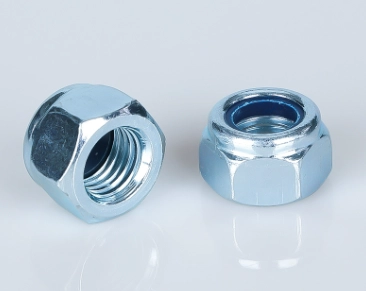
Кьюит Метрический тип P нейлоновые вставки DIN 982 Они предназначены именно для таких задач. Нейлоновая вставка захватывает резьбу при затягивании гайки, создавая сопротивление ослаблению. Доступны варианты из углеродистой и нержавеющей стали, с различными вариантами отделки, такими как естественный цвет, цинковое покрытие, механическое цинкование и цинковая крошка, в зависимости от потребностей проекта.
Для вибрационного оборудования большой мощности нейлоновая вставка — лишь одна из составляющих стратегии фиксации. Группы закупок также должны проверить класс ответного болта и требуемую посадку резьбы, указанные на чертеже или в расчете соединения. Для ответственных конструкционных соединений высокопрочные болты Qewit могут поддерживать такие классы, как 8.8, 10.9 и 12.9 в соответствующих категориях болтов, но окончательный класс должен соответствовать проектному стандарту, а не выбираться по привычке. Если чертежи требуют точности резьбы, например, 6g или 6h, этот допуск следует проверить перед сборкой, поскольку плохая посадка резьбы может привести к микроскольжению между витками до того, как нейлоновое кольцо обеспечит стабильное сопротивление.
Для сборки каркаса и деревянных конструкций необходимы болты и гайки с квадратным шлицем.
В некоторых соединениях болт должен противостоять вращению во время затяжки. Это часто встречается в древесине, каркасах, ограждениях, мебельных конструкциях и некоторых общих промышленных узлах. Гладкая куполообразная головка также может быть полезна там, где требуется менее выступающая внешняя поверхность.
Кьюит Кубок квадратные болты (Болты перевозки) & Гайки DIN 603/934 Для таких конструкций используются болты с квадратной головкой и соответствующие гайки. Квадратная шейка под головкой предотвращает вращение после установки в материал. Для покупателей, сравнивающих болты с квадратной головкой и гайки для крепления каркаса или деревянных конструкций, этот продукт предлагает практичный вариант, где необходимо учитывать внешний вид, защиту от вращения и базовую защиту от коррозии.
Когда следует подтягивать или заменять болты и гайки?
Повторная затяжка не всегда является правильным решением. Крепежный элемент, который ослабел один раз после первоначальной усадки, может нуждаться лишь в контрольной повторной проверке. Если же крепежный элемент ослабевает снова и снова, это может указывать на неправильную конструкцию соединения, тип крепежного элемента или способ установки.
Повторная потеря крутящего момента после повторной затяжки
Если после многократной затяжки в одном и том же соединении ослабевает крутящий момент, не затягивайте его вслепую. Проверьте наличие вибрации, плохого зацепления резьбы, мягкого соединительного материала, отсутствующих шайб, сжатия поверхности или неправильного выбора гайки.
В некоторых случаях замена стандартных гаек на гайки с нейлоновой вставкой или другой способ фиксации может сократить объем повторяющегося технического обслуживания. В других случаях перед установкой новых крепежных элементов необходимо отремонтировать саму поверхность соединения.
Трещины, растяжение или деформация крепежных элементов
Растянутый болт, треснувшая гайка, закругленная головка или поврежденная резьба, как правило, должны быть заменены, а не использованы повторно. Повторное использование может немного сэкономить ресурсы на ремонтном стенде, но создаст больший риск простоя в дальнейшем.
Также проверьте, нет ли на крепежном элементе признаков перегрузки. Если несколько болтов в одном и том же месте деформируются, проблема может заключаться в расчете нагрузки, смещении соединения или неправильном выборе марки крепежа.
Сильная коррозия или повреждение защитного покрытия
Замените крепежные элементы, если коррозия влияет на посадку резьбы, контакт с опорной поверхностью или безопасность снятия. Сильно заржавевшая гайка может заклинить при снятии и повредить окружающие детали.
При будущих закупках ремонтные бригады должны сообщать в отдел закупок об условиях эксплуатации. Влажность, воздействие внешней среды, контакт с бетоном, чистящие средства и температура — все это влияет на выбор отделочного материала. Именно здесь выбор обработки поверхности становится частью контроля затрат на техническое обслуживание.
Как отделы закупок могут снизить долгосрочные затраты на техническое обслуживание?
Затраты на техническое обслуживание начинаются еще до установки. Если закупки осуществляются только по размеру и цене за единицу, то неподходящий продукт может пройти входной контроль, но оказаться неэффективным в эксплуатации. Более рациональные закупки учитывают материал, отделку, тип головки, способ фиксации, поверхность применения, документацию и будущие потребности в замене.
Стандартизированный выбор крепежных элементов для всего оборудования
Стандартизация болтов и гаек на аналогичном оборудовании упрощает проверку. Ремонтные бригады могут возить с собой меньше запасных частей, использовать более стандартизированные инструменты и более четко сравнивать причины отказов.
Например, крепежные элементы для бетона можно сгруппировать отдельно от конструкций из деревянного каркаса и чувствительного к вибрации оборудования. Для каждой группы следует выбрать свой предпочтительный тип крепежа, вместо того чтобы пытаться использовать один и тот же элемент для всех задач.
Проведение серийных испытаний и выдача сертификатов перед отгрузкой.
Для промышленных заказов документация имеет большое значение. Компания Qewit поддерживает контроль качества и может оказывать поддержку в вопросах инспекции, таких как составление протоколов испытаний и проверка продукции в соответствии с потребностями проекта. Покупатели также могут обсудить стандартные детали, изделия, изготовленные на заказ, упаковку и требования к отгрузке перед размещением повторных заказов.
Это полезно, когда проект требует отслеживаемости, планирования замены или обеспечения бесперебойных поставок на разных объектах. Крепежный элемент невелик, но отсутствие сертификата или несоответствие партии могут задержать установку.
Сервисная служба Qewit, техническая поддержка и контактная информация службы поддержки.
Ценность услуг Qewit наиболее высока, когда покупатели делятся информацией о реальных условиях эксплуатации, а не просто присылают список размеров. Тип нагрузки, вибрация, материал основания, подверженность коррозии, способ сборки и интервал технического обслуживания — все это влияет на окончательную рекомендацию.
Покупатель, заказывающий болты и гайки для крепления бетона, перемещения оборудования или сборки каркаса, может использовать ассортимент продукции Qewit и техническую поддержку, чтобы сузить выбор перед заказом. Это сокращает количество проб и ошибок при закупке и помогает ремонтной бригаде работать с более предсказуемым поведением крепежных элементов.
Контакты и поддержка проекта
Если ваша команда сравнивает крепежные элементы для бетонных точек крепления, оборудования, подверженного вибрации, или каркасных конструкций, подготовьте чертежи, размер резьбы, требования к отделке, информацию о допустимых нагрузках и проблемных моментах при проверке, прежде чем обращаться в Qewit. Четкая информация поможет поставщику порекомендовать подходящие продукты, документы, упаковку и поддержку в проведении испытаний. Для вопросов, касающихся конкретного проекта, используйте Qewit. контакт Отправьте подробную информацию о приложении на страницу, а не просто запрашивайте номер детали.
Часто задаваемые вопросы
В: Как часто следует проверять промышленные болты и гайки?
А: Интервал проверки зависит от нагрузки, вибрации, воздействия коррозии и риска для безопасности. Критические соединения следует проверять чаще, особенно после установки, транспортировки, запуска оборудования или при наличии ненормальной вибрации. Для общего оборудования осмотр должен быть частью графика планового технического обслуживания, при этом необходимо вести учет соединений, которые неоднократно ослабевают или подвергаются коррозии.
В: Какой наиболее распространенный признак того, что болты и гайки нуждаются в замене?
А: Признаками износа крепежных элементов являются: повреждение резьбы, скругленные головки болтов, треснувшие гайки, сильная коррозия, растянутые болты, повреждение лакокрасочного покрытия или гальванического покрытия, а также многократное ослабление после повторной затяжки. Если крепежный элемент больше не может надежно фиксироваться или не выдерживает требуемого крутящего момента, его безопаснее заменить, чем пытаться использовать повторно.
В: Подходят ли нейлоновые гайки с вставками для всех типов болтов и гаек?
А: Нет. Гайки с нейлоновыми вставками очень полезны во многих областях применения, подверженных вибрации. Однако гайки с нейлоновыми вставками не подходят для высоких температур, воздействия агрессивных химических веществ или для некоторых типов соединений, и перед использованием следует проверить конструкцию крепежного элемента.


