

Топ-5 проблем винтов в промышленных приложениях и как их исправить
Опубликовано: 05 декабря 2025
Категории: Новости
Винты держат промышленный мир вместе. От гигантских фабричных машин до стальных зданий, находящихся в стадии строительства, эти маленькие куски металла несут огромную ответственность. Они выглядят простыми, но когда они провалятся, все останавливается. Вибрация, влага, неправильное затяжение и тяжелые нагрузки побивают их каждый день. Свободный или сломанный винт может закрыть целую производственную линию, стоить тысячи долларов и иногда даже навредить людям. Qewit крепления Мы поставляем прочные, надежные винты на заводы и рабочие места в течение многих лет, и они точно знают, что идет не так, и как это остановить.
Почему винты отказываются в промышленных приложениях?
Большинство отказов винтов не происходят случайно. Они происходят от тяжелого повседневного использования, плохой погоды и простых человеческих ошибок. Трясающие машины, небрежное затяжение и сбор неправильного металла - обычные подозреваемые. Если никто не смотрит, винты медленно работают свободно или просто разбиваются один день. Раннее выявление проблемы позволяет сэкономить много проблем.
Недостаточный крутящий момент и неправильное затяжение
Если винт не достаточно плотный, он разрушается в первый раз, когда машина начинает двигаться. Затягивайте слишком сильно, и вы вырваете нитки прямо из отверстия. Я видел, как парни на сборных линиях спешат и просто «чувствуют», когда это тесно. Через пять минут вся панель сменяется, потому что один винт был на полповорот коротким. В металлической раме или защите машин эта крошечная ошибка выбрасывает все из строя.
Повреждение нити при высокой вибрации
Все, что тревожится весь день - конвейерные двигатели, насосы, дизельные двигатели - шлифуется на винтовых нитках, как шлифовая бумага. Через несколько месяцев нити выглядят блестящими и изношенными. Продолжайте, и они полностью раздеваются. Внезапно болт свободно вращается, и часть, которую он держал, падает. Именно тогда команда обслуживания получает сердитый звонок и должна закрыть линию.
Коррозия в влажной или химической среде
Оставьте обычный стальный винт снаружи или на влажной фабрике, и завтра он начнет ржаветь. Соленный воздух вблизи побережья или химические брызги на растении делают его в десять раз хуже. Ржавь съедает металл, ослабляет винт и закрывает его на месте так плотно, что вам нужен факел, чтобы вытащить его. Однажды он просто сломается, когда вы его меньше всего ожидаете. Я вытянул ржавые винты, которые выглядели хорошо снаружи, но были бумажно тонкими в середине.
Несоответствие материала требованиям к нагрузке
Многие люди захватывают самый дешевый винт на полке и надеются на лучшее. Поставьте мягкий винт из мягкой стали в высокожарное, высокопотрясающее место, и он сгибается или зажимается через неделю. Нержавеющая сталь или сплавная сталь стоит больше заранее, но вам не нужно заменять ее каждый месяц. Выбор правильной силы для работы - это половина битвы.
Неэффективность сборки и потеря компонентов
На загруженной линии моялки и крошечные винты исчезают, как носки в сушилке. Кто-то сбрасывает одну, пинает ее под скамейку и схватывает другую. Половину времени стиральная машина полностью забывается. Без этой плоской шайбы винтовая головка копает в металл, и соединение остается слабым. Сделайте это на сотню частей, и вы построили машину, которая разрушит себя.
Как правильная конструкция крепления может решить эти проблемы?
Исправление часто просто выбирает более умный винт с самого начала. Небольшие изменения в дизайне могут остановить большинство головных болей, с которыми люди борются каждый день.
Самосверлительные винтовые решения из нержавеющей стали
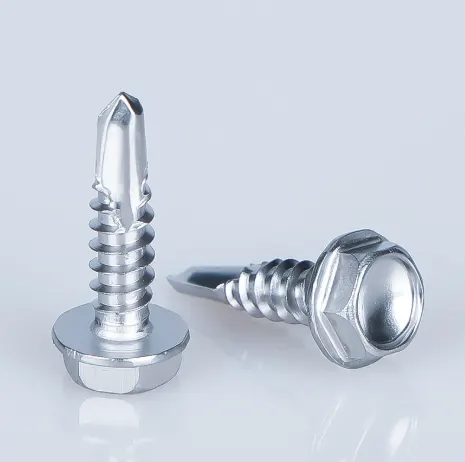
Шестоугольные самосверлительные винты из нержавеющей стали с воротником DIN 7504K сверлять собственный отверстие, поэтому рабочему нужен только один инструмент и одно движение. Шестоугольная головка со встроенным воротником распространяет силу зажима на большую площадь, поэтому сустав остается плотным даже при тревоге вещей. Поскольку они из нержавеющей стали, они смеются над дождем и прибрежным воздухом. Парни, устанавливающие металлические крыши или рамы строительного оборудования, любят их - без предварительного бурения, без беспокойств по поводу ржавчины, а воротник держит все запертым.
Интегрированные конструкции мойки для стабильности сборки
Винты SEMS приходите с моючей машиной, которая уже застряла - больше не рыбалка на полу для упадшей моючей машины. Эта крошечная деталь ускоряет линию и останавливает миллион маленьких ошибок. Машина остается идеально центрированной каждый раз, поэтому давление равномерно, и винт почти никогда не работает свободно. Вы видите их во всех ящиках управления, электрических шкафах и легких стальных конструкциях, где важна скорость и надежность.
Точная резьба для высоконагрузочных машин
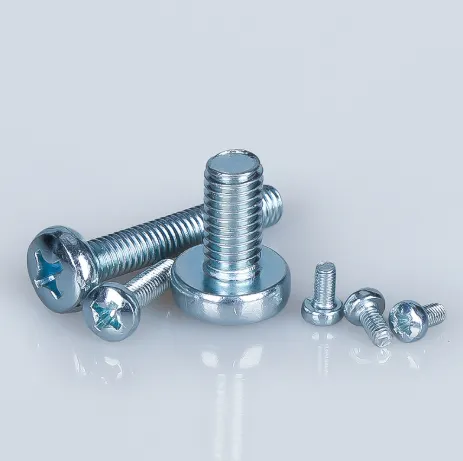
Когда нагрузка тяжелая и машина много открывается для обслуживания, вам нужны нити, которые вписываются, как перчатка. Эти головные винты имеют широкую, низкопрофильную голову и глубокую крестовую глубину, так что водитель никогда не скользит и не жевает голову. Ребята по обслуживанию могут каждый раз вытеснить их точно правильно. Они идеально подходят для передач автоматизации, панелей управления и всего, что должно оставаться твердым в течение многих лет.
Какие профилактические методы предотвращают сбой промышленных винтов?
Хорошие винты все еще нуждаются в хороших привычках. Несколько простых правил заставляют их длиться в два раза дольше.
Правильное управление крутящим моментом
Возьмите ключ от крутящего момента и используйте его каждый раз. Напишите номер в рабочей инструкции, чтобы новый парень не угадал. Слишком много мест просто говорят рабочим «уплотнить» и задаются вопросом, почему половина винтов сняты или свободны через месяц.
Рутинная проверка на износ и расслабление
Прогуляйтесь по линии время от времени и двигайте панели. Если винт поворачивается вручную, затяжите его или замените сразу же. Ищите ржавые пятна или блестящие изношенные нити. Десять минут проверки превышает десять часов экстренного ремонта.
Соответствие материалов условиям окружающей среды
Задайте себе три вопроса: влажно ли? Это соленое? Это жарко? Ответьте честно и выберите нержавеющую сталь, оцинкованную или Dacromet соответственно. Расходить несколько центов вперед экономит доллары позже.
Как крепления Qewit повышают надежность в реальных условиях?
Qewit Fasteners делает это десятилетиями. Все, что они отправляют, соответствует настоящим стандартам ISO, и они хранят каждый обычный тип на складе.
Улучшенная производительность антирасслабления
Их воротники, встроенные шайки и точные нити борются с вибрациями и тепловыми циклами, так что детали остаются там, где они должны быть.
Коррозионостойкие материалы и поверхностная обработка
Нержавеющая сталь, цинкование, Dacromet - что бы ни требовалось для работы, они готовы отправить. Ржавь перестает быть сюрпризом.
Упрощенная сборка и снижение затрат
Меньше свободных частей на полу означает быстрее строительство и более счастливых работников. Один телефонный звонок получает все, что вам нужно, вместо того, чтобы преследовать пять разных поставщиков.
Часто задаваемые вопросы
Q1: Могут ли самосверлые винты использоваться во всех толщинах металла?
A1: Они потрясающие на тонком и среднем листе. Для действительно толстых материалов, предварительно сверлите или переключитесь на тяжелые конструктивные винты.
Q2: Как часто должны проверяться промышленные винты?
A2: Каждые 3-6 месяцев. Открытые или влажные места каждые 3 месяца. Напишите это в календарь и просто сделайте это.
Q3: Можно ли повторно использовать винты SEMS?
А3: Несколько раз, конечно. Но после четырех или пяти удалений мойка теряет свою пружину. На что-либо связанное с безопасностью, бросайте их и поставьте новые.


