

Окончательное руководство по Bolt & Установка гайки: традиционные инструменты против передовых технологий
Опубликовано: 23 января 2026
Категории: Новости
Выбор правильного оборудования для строительной или инженерной задачи может показаться сложным балансом между расходами, быстростью и долговременной безопасностью. В течение многих лет основные болты и гайки служили основной поддержкой в этом секторе. Однако появление сильных бетонных винтов и автоматических установок крепления меняет ситуацию для строителей. КьюитВеликобритания, ведущий игрок в этой области с 2004 года, соединяет эти подходы, предлагая проверку качества на западном уровне наряду с производственными затратами на Дальнем Востоке.
Что отличает бетонные винты от расширительных якорей?
В прошлое, когда вам приходилось прикреплять что-то к бетонной плитке, вы просто поднимали якорь для расширения. Однако в наши дни многие команды выбирают “ бетонные винты” или вместо этого самостоятельные якори. Способ, в котором эти два вида аппаратного обеспечения на самом деле “ держать” Существо сильно варьируется. И это изменение влияет на то, как вы готовите свою настройку.
Механическая блокировка без вспомогательных аксессуаров
Классические расширительные якори или подрезанные якори зависят от дополнительных компонентов, таких как рукавы или клины, чтобы сформировать “ блокирующий ключ” внутри дыры. Бетонные винты работают гораздо проще. Они напоминают прочные деревянные винты, но они сделаны для “ проникнуть” бетон и резать собственные внутренние нити во время процесса. После того, как винт полностью вставляется, разрыв между внешними и внутренними размерами резьбы формирует прямое механическое сцепление с бетоном. В результате вы избегаете беспокойств о дополнительных деталях или сложной сборке до начала движения.
Превосходная удаляемость и эффективность
Одна из главных проблем со стандартными якорями заключается в том, что, как только они установлены, они, как правило, остаются навсегда. Бетонные винты выделяются, потому что они позволяют полное удаление. Поэтому, если вам нужно переместить кронштейн или оборудование, вы просто обратите винт назад. Поскольку они пропускают химические клеи или сложные рукавы, они также устанавливаются гораздо быстрее. Это “ прямой привод” Подход значительно сокращает время на крупные проекты, где вы обрабатываете сотни фиксаций каждый день.
Характеристики двойного режима сбоя
Когда якорь уступает, он обычно происходит через один из двух путей: либо бетонные трещины в “ конус” узор, или якорь полностью извлекает. Бетонные винты оказываются увлекательными, поскольку они ведут себя как механические, так и химические якори. Их нитки так крепко закрывают бетон, что слом может включать в себя смесь перелома бетона и извлечения винта. Этот результат часто зависит от глубины вставки и бетона’ Общая сила.
Почему антирасслабляющая технология имеет важное значение для современного крепления?
Прикрепление гайки к болту просто, но обеспечение ее сохранения в безопасности оказывается сложным, особенно при постоянном треперении тяжелого оборудования. Даже незначительное отступление крепления может привести к полному коллапсу сустава. Поэтому выбор подходящих методов блокировки имеет ключевое значение для общей безопасности.
Механизмы блокировки из всего металла и неметалла
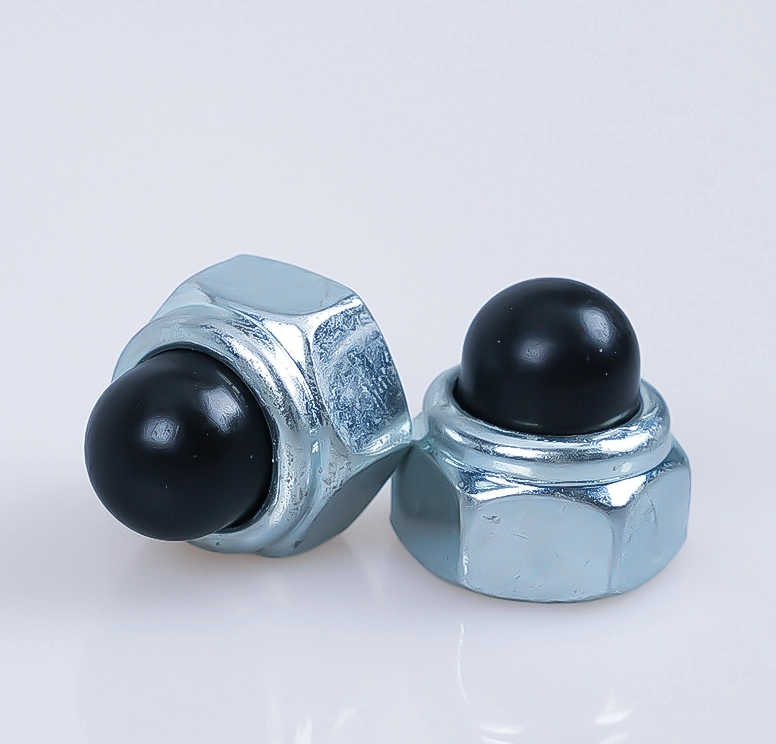
Существуют два основных способа предотвращения вращения гайки. Неметаллические варианты, такие как Шестоугольные нейлоновые гайки с крышкой (DIN 986), включить небольшое нейлоновое кольцо в гайку. Когда болт проходит через него, он сжимается против нейлона, генерируя достаточное трение, чтобы остановить любое расслабляющееся спин. Напротив, полностью металлические блокировочные гайки избегают пластика; они имеют дизайн, который намеренно “ деформированный” для производства удобного, помехого подхода к болту. Эти варианты отличаются в средах с повышенными температурами, превосходя нейлон’ с пределами.
Специализированные 30-градусные клиновые конструкции
В требовательных приложениях, таких как высокоскоростная железная дорога или аэрокосмическая, специалисты часто выбирают закрывающие гайки Spirax (или 30° клин). Они включают в себя отличный 30-градусный угол на нити’ с базы. Когда вы затягиваете болт, концы резьбы давят в этот клин, обеспечивая значительную блокирующую силу, которая эффективно сопротивляется вибрации.
Улучшенная стабильность соединения через фланцевые зубки
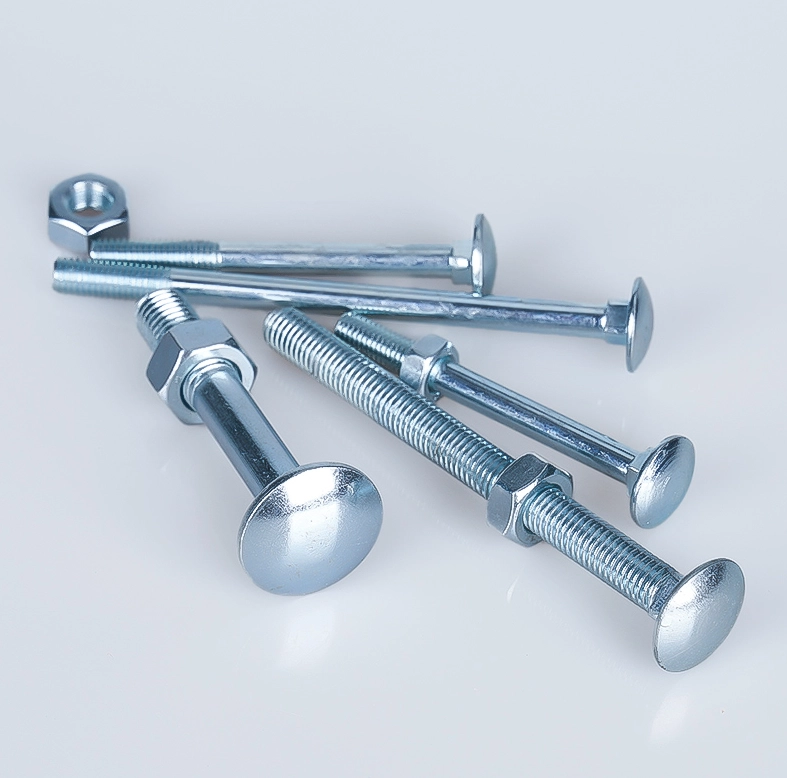
Иногда самый эффективный способ остановить расслабление включает в себя прикосновение к поверхности. Шестиугольные зубчатые фланцевые гайки (DIN 6923) имеют крошечные зубы на их нижней стороне. Когда вы крепко затягиваете их, эти зубы “ копать” в металлическое лицо, помогая распределению нагрузки и предотвращая вращение назад. Сравнимый принцип можно найти в Кубоковые квадратные болты (DIN 603)где квадратная шея под головой закрепляется в квадратном слоте, обеспечивая, что болт остается неподвижным, пока вы затягиваете гайку с противоположной стороны.
Как наука о материалах влияет на долговечность крепления?
Вы можете разработать лучший продукт, который можно себе представить, но если вы выберете неправильный материал или покрытие, факторы окружающей среды быстро разрушат ваши крепления. Решение между углеродной сталью, нержавеющей сталью или латунью выходит за рамки внешнего вида; Это касается того, как металл взаимодействует со своим окружением и давлением, применяемым к нему.
Риск загрязнения водорода в высокопрочной стали
Здесь возникает определенный компромисс: чтобы сделать бетонный винт достаточно прочным, чтобы разрезать камень, он подвергается обширной тепловой обработке. Но если он становится слишком твердым, вы сталкиваетесь с опасностью хрупкости водорода, беспокоящего состояния, когда металл становится хрупким и может внезапно сломаться под напряжением. В промышленных руководящих принципах говорится, что если винт превышает 1000 МПа в прочности, он требует специального испытания для этой проблемы.
Коррозионная стойкость через передовые поверхностные покрытия
Большинству рабочих мест не хватает контролируемого климата, поэтому коррозия представляет постоянную угрозу. Qewit предлагает варианты, начиная от простого цинкования до надежного горячего оцинкования (HDG). Например, плоская моющая машина с продвинутым покрытием может выдержать более 720 часов в испытании соляного распыления до появления любых ржавей. В автомобильной промышленности такие методы обработки, как Geomet или Dacromet, являются предпочтительным выбором, поскольку они обеспечивают выдающиеся гарантии без введения риска хрупкости водорода, упомянутого ранее.
Механические свойства специализированных сплавов
Не все задачи требуют стали. Латунние и медные сплавы используются, когда электропроводность или определенная отделка имеют значение. Нержавеющая сталь является предпочтительным материалом для влажных настроек из-за ее присущей устойчивости к ржавчине. В Qewit основное внимание уделяется поставке различных материалов, от базового низкоуглеродного класса 4,8 до надежного высокопрочного класса 12,9, с полными сертификатами испытаний и отслеживаемостью, чтобы точно подтвердить, что вы получаете.
Могут ли передовые монтажные системы повысить производительность труда?
На строительной площадке время равняется заработку. Если вы продолжаете запускать каждый винт вручную, вы тратите часы в неделю. Современное крепление фокусируется не только на самом болте, но и на скорости вставки в поверхность.
Автоматизация с соединенными винтовыми системами
Если вы видели квалифицированного рабочего, установляющего гипсокартону, они, вероятно, используют “ собранные винты” или цепные винты. Они состоят из винтов, соединенных длинной пластиковой полосой. Вместо того, чтобы искать отдельный винт и балансировать его на бите, вы просто загружаете полосу в специальный инструмент. Таким образом, то, что когда-то было задачей, требующей двух рук, становится усилием одной руки, значительно повышая эффективность.
Повышение эффективности в проектах по сухостенным и напольным покрытиям
Факты говорят ясно. В Соединенных Штатах исследования показывают, что один рабочий, используя сборные системы, может установить 55 гипсокартонных панелей в день. Это преимущество выходит за рамки только гипсокартоны. Специализированные полосы существуют для подполов и металлической рамы, а также. Кроме того, поскольку винты остаются соединены в цепочке, вы избегаете рассеяния упадшего оборудования по полу, уменьшая отходы.
Оптимизированное соединение с соединением и специальными гайками
В конструктивных работах вам, возможно, придется простираться за пределы типичного болта’ Длина с. Это’ с когда Шестиугольные соединительные гайки (соединительные гайки, DIN 6334) показаться полезным. Они функционируют как удлиненные гайки, которые соединяют два резьбовых прутника в один удлиненный блок. Сочетание их с практическими средствами, такими как нейлоновые кабельные связки для организации проводки и шлангов, делает всю площадку более плавной.
Какие стандарты качества определяют надежные промышленные крепления?
В конечном счете, вы должны полагаться на болт, поддерживающий этот мост или двигатель, чтобы не сдаваться. Экспертные поставщики, такие как Qewit, делают больше, чем продавать оборудование; Они контролируют всю цепочку поставок с помощью сертифицированных методов ISO 9001 для поддержания высокого качества от производства до хранения.
Международная сертификация и отслеживаемость
Болт’ Самого внешнего вида недостаточно для проверки прочности. Передовые проекты требуют сертификации 3.1 по DIN-EN-10204, которая подтверждает, что материал соответствует производителю; С утверждает точно. Для заказных компонентов Qewit может поставлять документы PPAP (Процесс утверждения производственных частей) до уровня 3, эталона для автомобильной и тяжелой промышленности.
Строгие испытательные установки для проверки производительности
Каждая партия крепежных элементов должна пройти тщательную оценку перед отправкой. Это включает измерение размеров с помощью оптических проекторов, оценку коррозии в камерах соляного распыления и подвергание болтов испытаниям на растяжение для определения их пределов сбоя. Если клиент выражает сомнения, он может запросить новую оценку, включая видеозаписи своей конкретной партии, находящейся на испытании.
Точные размеры и нагрузки
Плоская моющая машина может появляться как основной металлический диск, но ее измерения, включая внутренний диаметр, внешний диаметр и толщину, должны оставаться точными, чтобы равномерно распространять давление. От небольшой мойки M3 до большой M63, предлагая широкий выбор размеров, гарантирует правильное распределение нагрузок, предотвращая повреждение подключенных компонентов.
Часто задаваемые вопросы
Q1: Могу ли я повторно использовать нейлоновую вставку для блокировки гайки после того, как она была удалена?
А: Технически, вы можете, но “ блокировка” эффект выиграл’ Будьте настолько же сильны во второй раз. Каждый раз, когда вы закрепляете его, болт резает немного больше в нейлон, поэтому он теряет часть своего сцепления. Если вы работаете над чем-то критическим для безопасности, всегда лучше просто взять новый.
Q2: Почему мои бетонные винты продолжают зажигать во время установки?
A: Это обычно происходит по двум причинам: либо пилотное отверстие слишком маленькое (создавая слишком большой крутящий момент), либо винт стал хрупким из-за “ хрупкость водорода” от неправильной тепловой обработки. Убедитесь, что вы используете точный рекомендованный размер бурильника и покупаете у поставщика, который проводит надлежащее тестирование водорода.
Q3: Что’ Разница между болтом и винтом?
А: Это обычная смешанность! Как правило, болт предназначен для прохождения через отверстие и закрепления гайкой. Винт обычно предназначен для привода непосредственно в материал (например, дерево или бетон) или в предварительно резбованное отверстие. Но в отрасли люди часто используют термины взаимозаменяемо в зависимости от конкретного продукта.


