

CATEGORÍAS
Etiquetas
Arranjadoras internas vs. externas de bloqueo de estrella: cuál garantiza el máximo agarre
Publicado: 22 de enero de 2026
Categorías: Noticias
Elegir el hardware pequeño adecuado puede parecer un dolor de cabeza, especialmente cuando estás mirando dos tipos diferentes de arandelas que se ven casi idénticas. ¿Pero equivocarse? Eso podría conducir a un perno suelto en una máquina pesada o un marco de ventana. En QewitHemos pasado años ayudando a clientes globales a descubrir estos pequeños detalles. Ya sea que esté trabajando en piezas de motor de alta vibración o carcasas electrónicas delicadas, elegir entre arandelas de bloqueo de estrella internas y externas (también llamadas arandelas a prueba de temblores) es un gran problema para la estabilidad a largo plazo.
¿Cuáles son las diferencias fundamentales entre las lavadoras de estrellas internas y externas?
Para el ojo no entrenado, estos son solo trozos de metal con dientes. Pero esos dientes están diseñados para trabajos muy específicos. Dependiendo de si apuntan hacia dentro o hacia fuera, interactúan con su cabeza de tornillo y el material de superficie de maneras totalmente diferentes.
Diseño Estructural de Orientación Dental
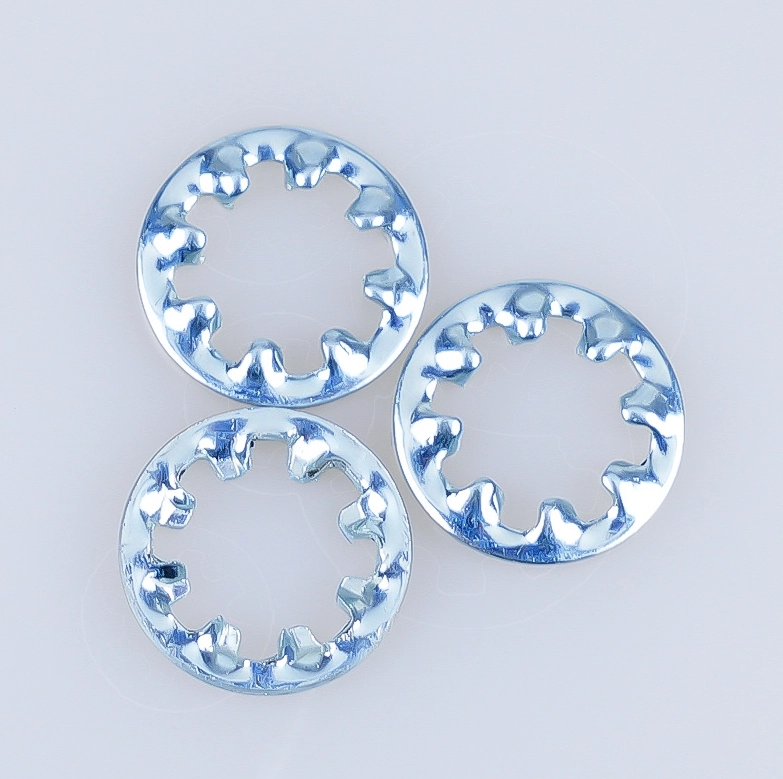
El regalo más obvio es la dirección. Las arandelas de bloqueo dentadas internas, como la Arranjadoras de cerradura dentadas internas DIN 6797J o el Arranjadoras de cierre dentadas internas DIN 6798JTienen sus dientes escondidos dentro del diámetro interior. Se mantienen ocultos una vez que el tornillo se apreta. Al otro lado, el Arranjadoras de cerradura dentada externa DIN 6797A La versión externa tiene dientes que se ventilan como un estallido de estrellas. Estos dientes externos están diseñados para morder en una superficie más grande más allá del borde de la cabeza de tornillo.
Principios de bloqueo mecánico
¿Cómo funcionan realmente? No se trata solo de ser plano; Se trata de “ morder. ” Estas lavadoras son’ t liso: los dientes están torcidos. Cuando se apaga un perno, estos dientes se aplanan y actúan como pequeños muelles. Cavan tanto en el sujetador como en el material que’ volver a entrar. Esto crea una barrera física que impide que el tornillo gire hacia atrás cuando las cosas comienzan a temblar.
Escenarios típicos de aplicación industrial
Por lo general verás arandelas internas usadas con tornillos de cabeza más pequeños, piense en cabezas de sartén o cabezas de queso, donde quieras un aspecto limpio y limpio. Son excelentes para la puesta a tierra eléctrica porque raspan a través de la pintura para hacer una buena conexión. Las arandelas externas son la opción para pernos hexagonales o pernos de brida más grandes. Debido a que los dientes están en el exterior, proporcionan mucho más resistencia contra las fuerzas de torsión.
¿Por qué la selección de la lavadora estrella adecuada es crítica para la resistencia a las vibraciones?
La vibración es el enemigo silencioso de cualquier construcción mecánica. Sin una arandela de bloqueo, los micromovimientos de un motor en marcha o un tren que pasa pueden lentamente retirar una tuerca de sus roscas.
Prevención del aflojamiento espontáneo del sujetador
En entornos de alta tensión como la industria pesada o la minería, un perno suelto es’ t solo una molestia; Es un riesgo de seguridad. Las arandelas de bloqueo de estrellas son una póliza de seguro de bajo costo contra esto. Agregando constante “ primavera de vuelta” tensión, se aseguran de que los hilos se mantengan apretados incluso cuando todo el conjunto está bajo un montón de “ temblando” estrés.
Mantenimiento de la tensión de precarga constante
Mantener un perno apretado es’ t aproximadamente el giro inicial; es’ s sobre mantener que “ precarga. ” La gama de arandelas de resorte y bloqueo de Qewit está diseñada para mantener esa presión constante durante años de servicio. Si el material se expande o se contrae con el calor, los dientes torcidos de la arandela estrella pueden flexionarse ligeramente para evitar que la tensión caiga a cero.
Protección de la integridad del recubrimiento superficial
Hay un poco de compromiso aquí. Porque estas arandelas “ morder, ” rascarán la superficie. Sin embargo, mediante el uso de una arandela estrella específica que coincida con el tamaño de su cabeza de tornillo, puede asegurarse de que el daño se mantenga oculto debajo del sujetador. Esta es la razón por la que elegir el tamaño correcto, desde M3 hasta M63, es tan importante para mantener el resto de sus piezas con buen aspecto y mantenerse libres de oxido.
¿Cómo garantizan los estándares DIN de Qewit un rendimiento premium?
La calidad en los sujetadores es a menudo algo que no’ t nota hasta que falla. En Qewit, nos apegamos a la estricta “ Estilo occidental” enfoque comercial, lo que significa que no’ t cortar esquinas en las especificaciones.
Cumplimiento con especificaciones internacionales precisas
Ofrecemos una amplia gama de productos que siguen las normas DIN 6797 y DIN 6798. Estos son’ t solo números aleatorios; significan que cada arandela tiene el espesor correcto, el ángulo de diente correcto y el tamaño de orificio correcto para encajar perfectamente sus pernos. Si es’ El “ J” tipo (interno) o “ A” tipo (externo), las dimensiones están a punto en cada vez.
Opciones de material y acabado superiores
El medio ambiente importa. Si está construyendo algo para un sitio húmedo al aire libre, querrá nuestras opciones de galvanizado en caliente o acero inoxidable. Si se trata de un motor de automóvil de alta resistencia, es posible que necesite recubrimientos Geomet o Zinc Flake que manejen el calor y la sal sin el riesgo de fragilidad del hidrógeno. Ofrecemos todo, desde acero al carbono básico hasta aleaciones especializadas.
Pruebas rigurosas de garantía de calidad
No’ t solo toma la fábrica’ Nuestro equipo en China realiza cada lote a través de una serie de pruebas: resistencia a la tracción, pulverización de sal para la corrosión y dureza de Vickers. Incluso podemos proporcionar certificación completa 3.1 o informes PPAP si su proyecto es para algo de alto riesgo como la fabricación aeroespacial o automotriz.
¿Qué configuración proporciona el agarre máximo para su proyecto?
Al final del día, tienes que hacer una llamada. El “ mejor” La arandela es simplemente la que se adapta a su cabeza de perno específica y al espacio con el que tiene que trabajar.
Arrandadoras Estrella Externas para Alto Torque
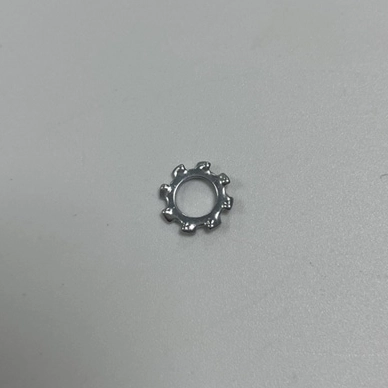
Si tiene la habitación, vaya por la versión externa (DIN 6797A). Debido a que los dientes están más lejos del centro del perno, tienen más “ apalancamiento” para detener la rotación. Es la misma razón por la que una llave larga es más fácil de usar que una corta. Estos son perfectos para tornillos hexagonales grandes donde necesita mucho agarre.
Arranjadoras dentadas internas para espacios compactos
A veces, usted está trabajando en un lugar estrecho, o usted está usando un tornillo contrahundido que necesita sentarse plano. En esos casos, el DIN 6798J es su mejor amigo. Los dientes permanecen dentro del perímetro de la cabeza de tornillo, por lo que ganaron’ t agarrar en otras partes o ver desordenado en un producto terminado.
Selección optimizada basada en la dureza del material
También tienes que pensar en lo que estás haciendo. Las arandelas estrella funcionan mejor cuando la arandela es más dura que la superficie que’ s mordiendo. Si el material es demasiado duro, los dientes podrían aplanarse sin cavar; si es demasiado suave, podrían masticar el material. Es por eso que comprobar la dureza, como nuestras calificaciones de 140HV o 200HV, es clave antes de comenzar el trabajo.
Preguntas frecuentes
Q1: ¿Puedo reutilizar una arandela de bloqueo de estrella después de I’ ¿Has sacado el perno?
R: Es’ Por lo general es mejor coger uno nuevo. Estas arandelas funcionan deformando físicamente (doblado y mordido). Una vez que se han aplastado una vez, los dientes pierden parte de su elasticidad y “ morder” Para una conexión crítica, utilice siempre una lavadora fresca.
Q2: ¿Por qué debería usar una lavadora de estrellas interna para poner a tierra eléctrica?
R: La pintura y los recubrimientos son excelentes para detener la oxidación, pero son terribles para la electricidad. Los dientes afilados de una lavadora de estrellas interna son perfectos para cavar a través de esa capa de pintura para llegar al metal desnudo, asegurándose de que su conexión a tierra sea sólida.
Q3: ¿Estas arandelas causarán que mis partes se oxiden?
R: Debido a que rascan la superficie, pueden crear un punto para que el óxido comience si usted está ’ T cuidado. Es por eso que ofrecemos recubrimientos como Zinc Plated (resistencia a la pulverización de sal de 480h a 720h) para ayudar a proteger la conexión incluso después de que los dientes hayan hecho su trabajo.


