

CATEGORÍAS
Etiquetas
Piezas metálicas personalizadas estampadas: ¿Cuándo utilizar troqueles progresivos o estampado por embutición profunda?
Publicado: 3 de septiembre de 2026
Categorías: Noticias
Etiquetas: noticias
Las piezas metálicas estampadas a medida suelen elegirse cuando el comprador necesita un control de forma repetible, una producción en volumen estable y una pieza que se integre fácilmente en el proceso de ensamblaje. La cuestión no es si el estampado es útil, sino qué método de estampado se ajusta mejor a la forma de la pieza, el material y el plan de producción.
Para muchos compradores, el primer dibujo parece terminado antes de que se defina el proceso de producción. Ahí es donde empiezan los problemas. Una pieza estampada debe evaluarse según la forma del metal, el comportamiento del borde y cómo encajará en el ensamblaje final.
Qewit Suministra elementos de fijación y herrajes estampados para uso industrial. Su categoría de piezas estampadas ofrece a los compradores un punto de partida práctico cuando necesitan componentes metálicos con formas específicas, en lugar de solo tornillos o tuercas estándar.
¿Cuándo es la opción correcta el estampado de metal a medida?
El estampado es una opción acertada cuando la pieza requiere una geometría repetible y un proceso de producción controlado. El comprador debe comenzar por el uso final, no por el método de conformado.
Formas de piezas adecuadas
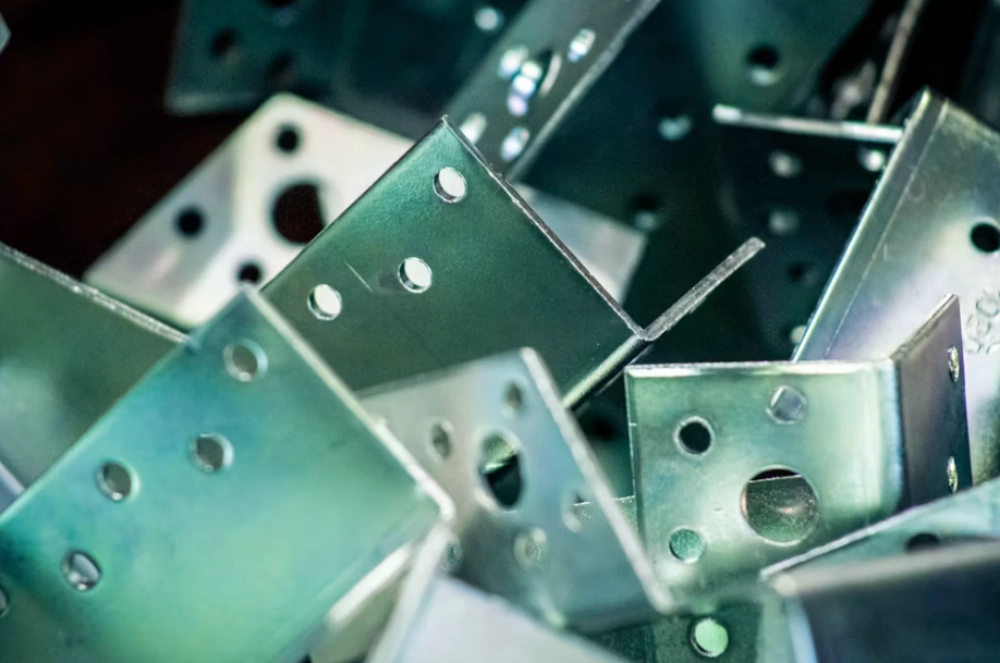
Los soportes planos, los conectores con formas especiales, las placas de montaje y componentes similares suelen ser adecuados para el estampado. Si la pieza tiene una geometría repetida y no requiere un mecanizado totalmente personalizado en cada unidad, el estampado puede ser la opción más eficiente.
de QEWIT piezas de estampado La categoría es la ruta de producto más relevante cuando los compradores necesitan componentes metálicos con formas específicas en lugar de herrajes roscados estándar.
Escala de pedidos y demanda recurrente
El estampado resulta más atractivo cuando el pedido se repetirá. El esfuerzo en el utillaje tiene más sentido cuando el comprador prevé una demanda continua en lugar de una tirada de muestra única.
Necesidades de precisión y coherencia
Algunas piezas requieren orificios, dobleces y formas de borde uniformes en grandes cantidades. El estampado resulta útil cuando esa uniformidad es más importante que la flexibilidad puntual.
Estampación progresiva o embutición profunda: ¿Cuál es la más adecuada?
La forma de la pieza debe determinar el proceso. El troquelado progresivo y el estampado por embutición profunda no resuelven el mismo problema.
Parte plana vs. parte profunda
El estampado progresivo funciona bien para piezas que pasan por varias etapas de conformado mientras permanecen en la tira de material. El estampado por embutición profunda es más adecuado cuando la pieza necesita una forma de copa o concha más profunda.
El estampado con troquel progresivo está optimizado para el conformado de alta velocidad y en múltiples operaciones de chapa metálica con un espesor entre 0,5 mm y 4,0 mm, manteniendo tolerancias de perforación y doblado de ±0,05 mm en grandes lotes de producción. Por el contrario, el estampado por embutición profunda es obligatorio cuando la profundidad de la pieza supera su diámetro (normalmente una relación de embutición superior a 1,5:1), lo que requiere un flujo plástico metalúrgico controlado para evitar el adelgazamiento de las paredes laterales, la formación de arrugas o la fractura de la base.
Necesidades de conformado en múltiples etapas
Si la pieza requiere múltiples procesos de conformado en secuencia, el troquel progresivo puede ser útil. Si la pieza requiere que el material fluya en profundidad, el embutido profundo puede ser más apropiado.
Costo y lógica de herramientas
La lógica de costos depende del volumen, la geometría y la configuración. Un comprador no debería elegir un proceso solo porque parezca más avanzado. La opción correcta es la que se ajusta a la pieza y al volumen de pedidos previsto.
Para un pedido de prueba pequeño, un utillaje más sencillo puede ser más práctico mientras el diseño aún está en desarrollo. Para una pieza de hardware repetitiva, un plan de troquelado más completo puede ser conveniente, ya que cada lote posterior depende de la misma posición del orificio, ángulo de curvatura y estado del borde. El comprador debe ser honesto sobre si la pieza aún está en fase de pruebas o si ya forma parte de una línea de productos estable.
¿Qué tolerancias y puntos de superficie son los más importantes?
El comprador debe revisar la pieza del mismo modo en que la revisará la línea de montaje. Una pieza que parezca estar bien aisladamente aún puede generar problemas si las tolerancias varían.
Calidad de borde
Los bordes afilados, las rebabas y las líneas de corte irregulares pueden afectar la manipulación y el ensamblaje. La calidad de los bordes debe revisarse con anticipación para que el comprador sepa si se requiere un acabado secundario.
Es posible que el usuario final nunca pregunte sobre el proceso de embutición progresiva o profunda, pero sí notará si una pieza raya una superficie, corta una mano o no encaja correctamente. La revisión de los bordes es un pequeño punto de control que protege la experiencia general del producto.
Control dimensional
El tamaño del orificio, el ángulo de curvatura y la uniformidad de la forma son factores cruciales en la producción. Si estos valores varían, la pieza podría no encajar en la siguiente etapa de ensamblaje.
Acabado y montaje posterior
El acabado superficial afecta la resistencia a la corrosión, la apariencia y el comportamiento de la pieza durante el montaje. Los compradores deben confirmar si la pieza necesita recubrimiento, pasivación, pintura o un acabado simple. Para piezas estampadas utilizadas en exteriores, cerca de la exposición a la sal o en otros entornos agresivos, se aplica la misma lógica de selección que para protección contra la corrosión en entornos hostiles Puede ayudar a determinar si un acabado galvanizado estándar es suficiente o si se requiere un material o recubrimiento más resistente a la corrosión.
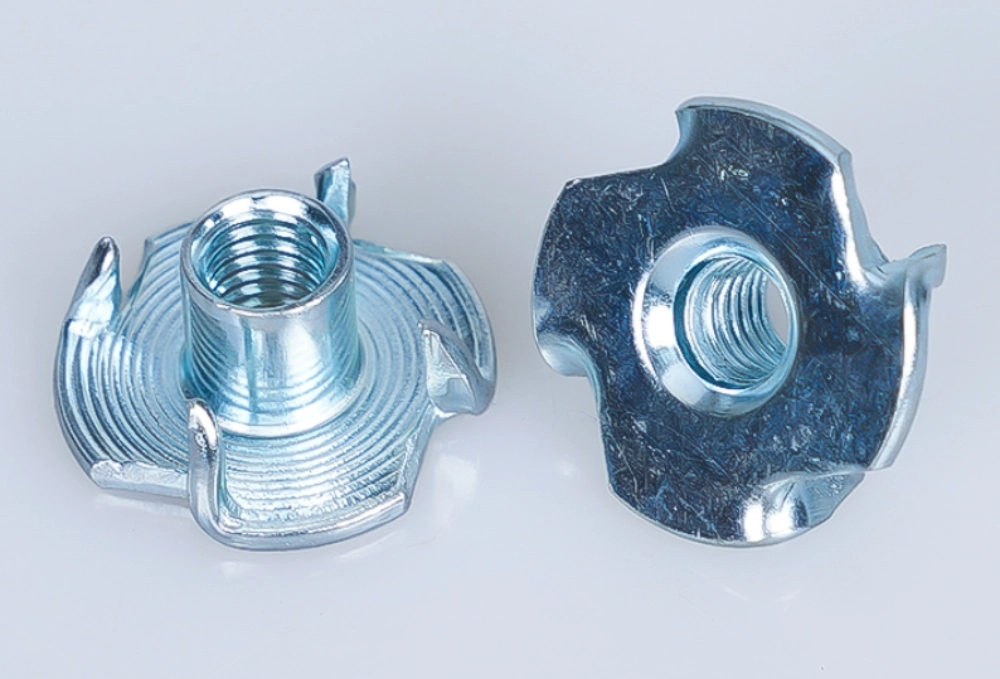
Cuando un proyecto combina componentes formados con hardware roscado, Tuercas no estándar puede llegar a formar parte del mismo debate sobre el abastecimiento.
¿Qué deben confirmar los compradores en la solicitud de cotización y en la revisión de muestras?
La RFQ y la revisión de muestras deben confirmar la definición de la pieza con la suficiente claridad como para evitar el retrabajo de las herramientas. Los compradores que configuren controles de entrada, preproducción o preenvío también pueden consultar un modelo estructurado. proceso de inspección de sujetadores al revisar la consistencia dimensional, el estado de la superficie y la calidad de los pedidos repetidos.
Material y espesor
El tipo y el grosor del material determinan el proceso de conformado. Si el material es demasiado grueso o quebradizo para el diseño previsto, el proceso debe ajustarse antes de comenzar con el utillaje.
El comprador también debe confirmar si el material debe ser suministrado por la fábrica o por él mismo. Esto afecta el plazo de entrega, el control de costes y la responsabilidad en caso de que la muestra no se forme correctamente.
Caso de uso final
La pieza puede utilizarse en soportes, conectores, anclajes o conjuntos de fijación. El caso de uso final determina si la pieza necesita mayor resistencia, mayor precisión o un mejor acabado. Si el componente estampado recibirá posteriormente insertos u otros elementos roscados, los principios de selección para Insertos roscados en la fabricación de metales También puede ayudar a los compradores a evaluar la resistencia del ensamblaje, la repetibilidad y los requisitos de instalación posteriores.
Los usuarios finales rara vez ven la decisión sobre el utillaje, pero perciben su resultado. Un soporte que se asienta perfectamente, un conector que encaja sin esfuerzo y una pieza estampada que no corta la mano generan confianza en el producto final. Por eso, la revisión de muestras debe incluir a quienes ensamblan o manipulan la pieza, no solo al equipo de compras.
Expectativas de pedidos repetidos
Si el comprador espera volver a comprar, las herramientas y el proceso deben planificarse para garantizar la consistencia a largo plazo. Esto suele ser más importante que ahorrar un poco de tiempo en la fase de muestreo.
Los compradores con listas de hardware más amplias también pueden consultar QEWIT. Fijaciones categoría para mantener las piezas estampadas y los elementos de fijación ensamblados bajo una misma revisión de adquisiciones.
¿Qué deben incluir los compradores en la solicitud de cotización?
Una solicitud de cotización para piezas metálicas estampadas debe ir más allá de simplemente indicar la forma y la cantidad. Debe ayudar a la fábrica a comprender cómo se utilizará la pieza.
Material y espesor
El material indica al proveedor cómo se formará la pieza y cómo se comportará después del conformado. El grosor también es importante, ya que influye tanto en la elección de las herramientas como en la estabilidad de la pieza.
Tolerancia y acabado
Los compradores deben especificar qué es lo más importante: la posición del orificio, el ángulo de curvatura, la calidad del borde o el acabado superficial. Si el proveedor desconoce la prioridad, la muestra podría abordar primero el problema equivocado.
Previsión de pedidos repetidos
Si es probable que el pedido se repita, esto debe incluirse en la solicitud de cotización. La elección de herramientas y procesos resulta más sencilla cuando la fábrica sabe que la pieza no es de un solo uso.
Conclusión
Las piezas metálicas estampadas a medida son ideales cuando la forma de la pieza, el volumen del pedido y las tolerancias requeridas apuntan a un conformado repetible. El estampado progresivo y el estampado por embutición profunda resuelven problemas diferentes, por lo que la elección correcta depende de la pieza en sí. La categoría de piezas estampadas de QEWIT es un punto de referencia útil para los compradores que necesitan herrajes metálicos con formas específicas, en lugar de solo sujetadores estándar.
Preguntas frecuentes
¿Cuál es la principal ventaja del estampado de metales a medida?
Una vez que las herramientas están configuradas correctamente, ofrece formas de piezas repetibles y una producción estable.
¿Cuándo es mejor opción el estampado por embutición profunda?
Suele ser más adecuado cuando la pieza necesita una forma más pronunciada que una plana o ligeramente formada.
¿Qué deben confirmar los compradores antes de solicitar una cotización?
Deben confirmar el material, el grosor, la geometría de la pieza, el acabado y el plan previsto de pedidos repetidos.


