

CATEGORÍAS
Etiquetas
Principales razones para agregar insertos roscados a sus piezas impresas en 3D
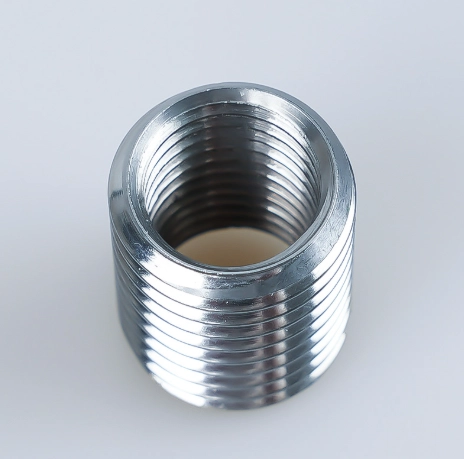
Publicado: 08 de enero de 2026
Categorías: Noticias
La impresión 3D ha llegado mucho más allá de la fabricación de juguetes de plástico. Hoy en día, nosotros’ re viendo que se utiliza para bits de ingeniería reales y prototipos funcionales. Pero hay un dolor de cabeza común: hilos de plástico simplemente no’ t último. Si atornillas un perno directamente en un agujero impreso, el plástico se desgasta rápidamente, o peor, todo se agrieta bajo presión. Aquí es donde entran los insertos roscados.
Agregar hilos metálicos a sus impresiones 3D es’ t solo un “ Es bueno tener” es lo que convierte una parte de plástico frágil en un componente sólido de calidad industrial. En Qewithemos visto cómo la elección correcta de fijación hace o rompe un proyecto. Si usted’ Trabajando con PLA básico o aleaciones de alto rendimiento, estas pequeñas mangas metálicas cambian el juego por completo.
¿Por qué debe mejorar sus componentes impresos en 3D?
Puedes pensar que tu impresión es lo suficientemente fuerte directamente desde la cama, pero el plástico tiene sus límites. Cuando estás construyendo algo que realmente necesita hacer algo, como una maquinaria, una carcasa o una pieza móvil, necesitas una conexión que gane ’ t falla la tercera vez que lo abres.
Refuerzo estructural de piezas de plástico
La mayoría de las impresiones 3D son algo huecas o tienen paredes delgadas. Los insertos roscados distribuyen la carga a través de una superficie más grande dentro del plástico, lo que impide que el material se aprete cuando aprieta las cosas. Es como darle a su parte un esqueleto metálico donde más cuenta.
Excepcional resistencia al desgaste para montajes repetidos
Si estás creando prototipos, es probable que estés desmontando las cosas y volviendo a juntarlas mucho. Los hilos de plástico se desnudarán casi inmediatamente. Los insertos metálicos de Qewit proporcionan una rosca dura y duradera que puede manejar cientos de ciclos sin perder su agarre.
Acabado profesional para proyectos de gama alta
Seamos honestos, un perno que va a un inserto de latón o acero se ve mucho más profesional que un tornillo de madera empujado en un agujero de plástico. Le da a su trabajo que “ terminado” mirar lo que los clientes y socios esperan de un proveedor de alta calidad.
Obtener lo básico correctamente es el primer paso, pero elegir el tipo específico de inserción depende de qué material está realmente hecho su impresión.
¿Cómo los insertos de acero endurecido se benefician de sus impresiones?
Cuando se trata de plásticos resistentes y reforzados, como el nylon lleno de fibra de carbono o el policarbonato, es posible que los insertos de latón estándar no lo corten.
Dureza superior para plásticos reforzados
Insertos de acero endurecido son lo suficientemente resistentes para cortar a través de los materiales más tenaces. Si su impresión 3D está reforzada con vidrio o fibra de carbono, estos insertos won’ t deformarse durante la instalación. Están construidos para morder el material y permanecer en posición.
Mejora de la durabilidad del hilo en materiales frágiles
Algunas impresiones 3D pueden ser un poco frágiles. El diseño Self Tapping de estos insertos de acero significa que crean sus propios hilos limpios a medida que entran, lo que reduce la tensión interna que a menudo hace que las impresiones 3D se delaminen o se separen.
Rendimiento fiable bajo altas cargas mecánicas
El acero es simplemente más fuerte que el latón. Para las piezas que van a estar bajo tensión o vibración constante, el acero endurecido proporciona la seguridad que necesita. Es el “ servicio pesado” opción para trabajos de ingeniería serios.
El acero es excelente para la resistencia, pero ¿qué pasa si su impresión 3D es parte de un proyecto híbrido, tal vez mezclado con madera o filamentos compuestos de madera?
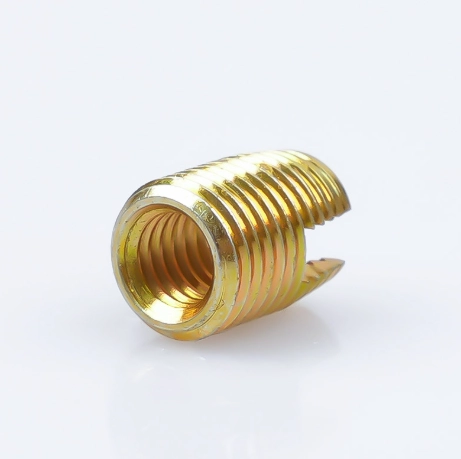
¿Pueden los insertos auto-roscadores de madera mejorar los diseños 3D híbridos?
Vemos mucho “ madera” filamentos en estos días, y ellos’ Gran para la estética. Pero pueden ser difíciles de fijar. Nuestra Insertos de accionamiento hexagonal para madera son una combinación perfecta para estos materiales más suaves y fibrosos.
Hexagon Drive optimizado para una instalación fácil
Uno de los mayores dolores es deslizarse mientras intenta conducir un inserto. La unidad hexagonal en estos insertos significa que puede usar una llave Allen o una herramienta eléctrica con un bito hexagonal. Le da más control para que no’ t arruinar una impresión de 20 horas en el último segundo.
Forte agarre en filamentos compuestos madera-plástico
Los filamentos llenos de madera tienen una textura diferente que el plástico normal. Los hilos gruesos y profundos de nuestros insertos de madera están diseñados para agarrarse a esas fibras, lo que le da una resistencia a la extracción mucho mayor que un inserto de hilo fino estándar.
Integración sin costuras para montajes multimateriales
Si su proyecto implica soportes impresos en 3D unidos a la madera real, el uso del mismo tipo de sistema de fijación hace que la vida sea mucho más fácil. Mantiene su lista de materiales sencilla y su proceso de montaje consistente.
Mientras que los insertos de madera manejan el lado más suave de las cosas, a veces necesitas algo que pueda sobrevivir a un poco de golpes de los elementos.
¿Es el acero inoxidable la mejor opción para entornos duros?
Si su pieza impresa en 3D va al aire libre o a una cocina, no puede usar cualquier metal viejo. La oxidación es el enemigo. Aquí es donde insertos de autoroscado de acero inoxidable Realmente brillar.
Excelente resistencia a la corrosión para aplicaciones al aire libre
El acero inoxidable es el go-to para cualquier cosa que pueda mojarse. Ya sea un soporte de montaje para una estación meteorológica o una parte para un barco, los insertos de acero inoxidable won’ t oxidar y apoderarse con el tiempo.
Mantenimiento de la pureza y higiene del material
Para los prototipos de seguridad alimentaria o adyacentes a la medicina, necesita materiales que ganen’ t lixiviar o reaccionar. El acero inoxidable es inerte y fácil de limpiar, por lo que es una opción mucho mejor que el acero al carbono chapado para estos nichos especializados.
Estabilidad a largo plazo contra la degradación ambiental
Los plásticos pueden degradarse al sol, pero sus sujetadores deberían’ t. El acero inoxidable proporciona un punto de anclaje estable y duradero que probablemente supere la parte impresa en 3D en sí misma. Se trata de construir cosas que realmente duren.
Elegir el material adecuado es vital, pero dónde obtienes esas piezas importa tanto como las propias piezas.
¿Qué hace que Qewit sea el socio ideal para tus proyectos?
En Qewit, hemos estado en esto desde 2004. Somos una empresa británica que opera con “ Estilo occidental” estándares, pero estamos basados en donde la fabricación le da “ Valor del Lejano Oriente”.
Estándares de calidad occidentales con valor del Lejano Oriente
Entendemos las expectativas de calidad de los mercados europeos y globales. Porque nosotros’ re en el terreno en lugares como China y Taiwán, podemos gestionar la cadena de suministro directamente, asegurando que obtenga sujetadores de primer nivel sin el marcado intermediario.
Rigoroso control de calidad y pruebas profesionales
No solo enviamos cajas y esperamos lo mejor. Cada lote pasa por nuestras propias instalaciones de prueba, nosotros’ hablando de pruebas de pulverización de sal, probadores de dureza y proyectores de visión. Proporcionamos los certificados y la trazabilidad que necesita para sentir “ sin preocupación”.
Soluciones de fijación a medida para diseños 3D personalizados
La impresión 3D se trata de trabajo personalizado, así que ¿por qué conformarse con sujetadores estándar? Si su proyecto necesita un tamaño específico o un acabado único, ofrecemos un servicio totalmente a medida. Podemos fabricar y acabar productos específicamente a sus dibujos y especificaciones.
Preguntas frecuentes
Q1: ¿Puedo instalar estos insertos con una plancha de soldadura regular?
R: Mientras que muchos aficionados a 3D usan insertos de ajuste térmico, los insertos de auto-tocado que ’ hemos hablado aquí están diseñados para ser atornillados mecánicamente. Esto a menudo proporciona una unión mecánica mucho más fuerte, especialmente en materiales que no ’ t fundirse limpiamente, como termoestables o nylon reforzado con fibra.
P2: ¿Funcionarán estos insertos en impresiones 3D de bajo relleno?
R: Pueden, pero para obtener los mejores resultados, debe aumentar el grosor de la pared (perímetros) alrededor del agujero donde irá el inserto. Esto da a la inserción más material a “ morder” en, asegurando que no’ t simplemente sacar la estructura interna de la impresión.
Q3: ¿Ofrece muestras para pruebas en nuevos filamentos de impresión 3D?
R: Absolutamente. Sabemos cuánta variación hay en los filamentos en estos días. En Qewit, nos enorgullecemos del soporte técnico y podemos ayudarlo a averiguar qué material de inserción y tipo de rosca funcionará mejor para su aplicación específica.


