

CATEGORÍAS
Etiquetas
Tornillos y sus modelos: una guía profesional de tipos y aplicaciones
Publicado: 01 de enero de 2026
Categorías: Noticias
En casi todos los proyectos industriales, los tornillos realizan tareas esenciales pero discretas. Aseguran marcos de acero y carcasas de maquinaria, así como marcos de madera y dispositivos precisos, y el tipo de tornillo apropiado determina en gran medida la estabilidad general, la longevidad y la facilidad de mantenimiento para cualquier conexión.
Para los ingenieros, constructores y grupos de adquisiciones, agarrar varios tipos de tornillos va más allá de meras dimensiones o estilos de cabeza. Implica comprender las propiedades del material, la transmisión de fuerza, las regulaciones y las condiciones reales en el sitio. Esta visión general examina las variedades de tornillos populares y describe sus usos prácticos en escenarios del mundo real, basándose en Qewit Selección de productos del sujetador.
¿Por qué los tipos y modelos de tornillos son tan importantes en aplicaciones industriales?
Antes de profundizar en comparaciones específicas de tornillos, es útil considerar por qué la selección del tornillo adecuado tiene tanta importancia en entornos industriales. Un tornillo funciona como un elemento integral dentro de un sistema más grande, y cuando la elección es incorrecta, los problemas suelen surgir en la línea en lugar de inmediatamente.
Varios sectores se enfrentan a presiones únicas. Ciertas conexiones soportan temblores, mientras que otras se enfrentan a la oxidación, y muchas implican un remontaje frecuente. La construcción de tornillos aborda directamente estos desafíos, garantizando un rendimiento fiable.
Función estructural de diferentes tipos de tornillo
Cada variedad de tornillo está diseñada para un propósito particular. Los tornillos autoperforadores perforan y aseguran en una sola acción, mientras que los tornillos de la máquina dependen de roscas pre-cortadas para la exactitud. Los tornillos de coche se incrustan profundamente en la madera para soportar pesos sustanciales.
Optar por un tipo inadecuado puede resultar en uniones inseguras, roscas dañadas o reparto de fuerza irregular. Por ejemplo, en conjuntos metálicos, aplicar un tornillo básico en un lugar que requiere una opción de autoperforación generalmente prolonga las horas de trabajo y compromete la resistencia de la unión.
Consideraciones de material y grado de resistencia
La selección del material afecta tanto la durabilidad como la vida útil. El acero inoxidable resiste la corrosión de manera efectiva y funciona de manera fiable en áreas expuestas. El acero al carbono proporciona una resistencia robusta y un valor económico, siempre y cuando la oxidación se maneje adecuadamente.
Los niveles de resistencia y el procesamiento térmico son igualmente vitales. Incluso un tornillo que parece adecuado en las especificaciones podría tener un rendimiento inferior prematuramente si su tenacidad no se alinea con el material subyacente o la fuerza de fijación aplicada.
Estandarización e Intercambiabilidad
Las normas globales como DIN y ASME facilitan la adquisición y la sustitución, especialmente en los esfuerzos internacionales. Los tornillos estandarizados garantizan una calidad uniforme, resultados previsibles y una colaboración sin problemas entre proveedores, montadores y personal de mantenimiento.
Qewit Fastener se especializa en proporcionar tornillos que se adhieran a las normas establecidas, lo que ayuda a los compradores a evitar problemas de coincidencia en diversas ubicaciones.
¿Cómo los tornillos de perforación automática simplifican la fijación de metal a metal?
Los marcos metálicos con frecuencia requieren resultados rápidos y uniformes durante el trabajo de campo. Los tornillos autoperforadores son invaluables aquí, ya que eliminan procedimientos adicionales mientras mantienen una adherencia sólida.
En lugar de crear un orificio de guía de antemano, el extremo del tornillo realiza la perforación. Aunque esto parece sencillo, la forma de la punta de corte y la rosca está meticulosamente diseñada para una función óptima.
Perforación integrada y diseño de formación de rosca
Un tornillo autoperforador fusiona un punto de corte con una rosca de fijación. A medida que el extremo se corta a través de acero o aluminio delgado, el hilo avanza inmediatamente, estableciendo un vínculo firme.
Tal configuración minimiza los interruptores del equipo, preserva la precisión del orificio y disminuye la posibilidad de aberturas ampliadas, que a menudo ocurren con métodos perforados a mano.
Rendimiento del acero inoxidable en entornos corrosivos
En marcos externos, que cubren configuraciones y carcasas de fábrica, el óxido representa una amenaza primaria. Los tornillos autoperforadores de acero inoxidable proporcionan firmeza duradera sin necesidad de capas adicionales.
Estos se aplican rutinariamente en áreas con humedad, temperaturas fluctuantes o productos químicos suaves, reduciendo así las demandas de mantenimiento durante períodos prolongados.
DIN 7504K Aplicaciones en la construcción y techados
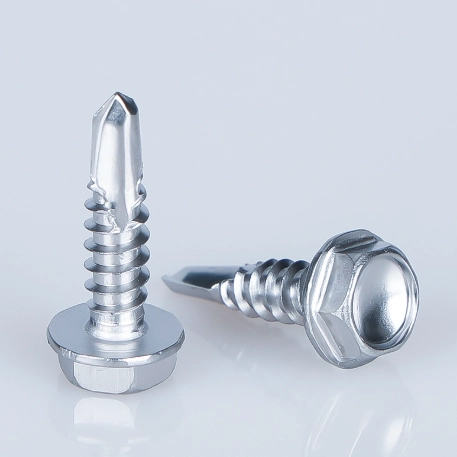
Un ejemplo común es la Tornillos de perforación automática hexagonal de acero inoxidable con cuello DIN 7504K de Qewit Fastener. La cabeza hexagonal permite una aplicación de fuerza potente, y el collar distribuye la presión mientras salvaguarda la superficie del material. Estos tornillos se utilizan ampliamente en soportes de acero, recubrimientos de techos y revestimientos metálicos, donde la velocidad y la fiabilidad son esenciales.
¿Qué hace que los tornillos de la máquina sean esenciales para el montaje de precisión?
Mientras que los tornillos autoperforadores enfatizan la eficiencia, los tornillos de la máquina priorizan la precisión. Sirven como una parte fundamental en la producción de dispositivos, configuraciones de energía y componentes que se someten a múltiples separaciones. Los tornillos de la máquina se emparejan con tuercas o aberturas pre-roscadas, creando uniones limpias y reproducibles.
Roscas uniformes y tolerancias controladas
Los tornillos de la máquina muestran patrones de rosca estables a lo largo de su longitud. Esta característica soporta una fuerza de fijación fiable y una asignación de presión equilibrada.
En configuraciones donde el posicionamiento es crucial, como carcasas o montajes del motor, esta uniformidad ayuda a evitar la deformación o la tensión localizada.
Compatibilidad con tuercas y agujeros roscados
A diferencia de las variedades autoroscadas, los tornillos de la máquina utilizan roscas preexistentes. En consecuencia, se adaptan a la unión y separación repetidas sin dañar la conexión. Los equipos de mantenimiento favorecen los tornillos de la máquina ya que las piezas se pueden intercambiar sin alterar la sustancia fundamental.
ASME B18.6.3 Uso en equipos y electrónica
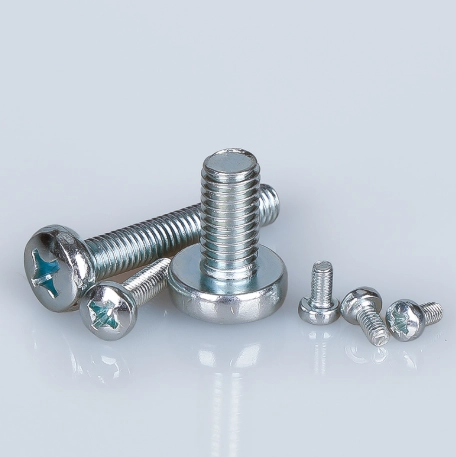
El Tornillo de la máquina de la cabeza del pan de Phillips ASME B18.6.3 Qewit Fastener tiene una aplicación frecuente en paneles de dispositivos, carcasas de alimentación y unidades de regulación.
Su amplia cabeza de pan ofrece un amplio área de soporte, y el rebaje Phillips facilita el ajuste rápido con herramientas comunes. La adhesión a las normas ASME también facilita la adquisición para los mercados de América del Norte.
¿Por qué son los tornillos de autobús preferidos para conexiones de madera pesada?
La madera responde de manera muy diferente al metal, ya que rinde, se hincha y responde a la humedad. En las uniones de madera robustas, los tornillos ordinarios suelen quedarse cortos. Los tornillos de entrenador, a veces llamados tornillos de retraso, están diseñados para abordar estos problemas de manera efectiva.
Compromiso profundo en la madera
Los tornillos de coche poseen roscas profundas y ásperas que agarran las hebras de madera de forma segura. Esta configuración genera una resistencia robusta a las fuerzas de extracción, incluso en medio de cargas pesadas. Por lo general se emplean donde la solidez del marco supera las preocupaciones cosméticas.
Transmisión de par de cabeza hexagonal
La cabeza hexagonal permite una fuerza de sujeción sustancial a través de llaves o accionadores. Esto resulta vital en uniones de madera considerables que exigen una sujeción intensa. Además, otorga a los trabajadores un mayor mando sobre el proceso en comparación con las opciones de accionamiento más delgadas.
DIN 571 Aplicaciones en madera y estructuras exteriores
Fijación Qewit Tornillos de entrenador de cabeza hexagonal de acero al carbono DIN 571 disfrutar de una amplia adopción en vigas de madera, barreras, árboles y andamios de construcción.
Cuando están equipados con acabados protectores adecuados, los tornillos de acero al carbono proporcionan una robustez superior a precios razonables, particularmente en entornos interiores o exteriores protegidos.
¿Cómo puede el modelo de tornillo adecuado mejorar la eficiencia y fiabilidad del proyecto?
La selección del modelo de tornillo de ajuste representa más que una mera elección de ingeniería. Influencia los horarios, los gastos de mano de obra y la operación sostenida. Las iniciativas que comienzan con sujetadores adecuados generalmente se encuentran con menos interrupciones y menores requisitos de servicio en el futuro.
Reducir el tiempo de instalación y los errores
El empleo de un tornillo adaptado al trabajo reduce las correcciones. Los tornillos de perforación automática aceleran el ajuste del metal, los tornillos de la máquina facilitan el posicionamiento y los tornillos de carretera manejan cargas intensas sin reforzar más. Con menos experimentos durante el trabajo de campo, las operaciones fluyen de manera más constante y producen resultados superiores.
Conjunto de tornillos a las condiciones ambientales
Los alrededores ejercen una influencia significativa. La humedad, los temblores, los cambios térmicos y el contacto con la sustancia afectan a la eficacia del sujetador. Aliñar el material y el acabado a los ajustes genuinos evita averías prematuras y evita intercambios innecesarios.
Soluciones de fijación Qewit para proyectos globales
Qewit Fastener ayuda a iniciativas en todo el mundo a través de una amplia gama de tornillos estándar y a medida, controles de calidad fiables y orientación directa de expertos.
Al enfatizar las normas aceptadas, las sustancias fiables y las construcciones funcionales, Qewit ayuda a los clientes a obtener sujetadores que cumplan con las demandas técnicas y las prácticas logísticas.
Preguntas frecuentes
Q1: ¿Cómo los tornillos de auto perforación difieren de los tornillos de auto roscado?
R: Los tornillos de perforación automática incorporan un punto de corte que perfora el agujero y crea roscas en un solo proceso. Los tornillos autoroscadores necesitan un orificio perforado preliminar y simplemente crean roscas a medida que se instalan.
Q2: ¿Cuándo deben utilizarse tornillos de máquina en lugar de tornillos de perforación automática?
R: Los tornillos de la máquina se adaptan a ensamblajes precisos, separaciones frecuentes y escenarios que involucran tuercas o agujeros roscados, como en dispositivos y sistemas de energía.
Q3: ¿Son los tornillos de coche de acero al carbono adecuados para uso al aire libre?
R: Funcionan bien al aire libre si se recubren o protegen adecuadamente. En áreas muy propensas a la oxidación, puede ser necesaria una protección superficial adicional o materiales diferentes.


