

CATEGORÍAS
Etiquetas
Cuáles son los errores más comunes al perforar agujeros para insertos roscados
Publicado: 09 de abril de 2026
Categorías: Noticias
Obtener las cosas exactas importa mucho en el trabajo de fábrica. Cuando se trata de insertos roscados, un pequeño deslizamiento en la perforación puede significar una conexión que se mantenga durante años o que se rompe de inmediato. Esto a menudo se reduce a pequeñas mediciones, como unas pocas centesimas de milímetro. Digamos que’ reforzar una parte de magnesio o fijar juntas fuertes en madera maciza. El agujero que hace establece todo el proyecto’ La fuerza.
Si usted’ después de una empresa que obtiene trabajos de ingeniería difíciles, echa un vistazo Qewit. Ellos’ es propiedad británica pero corre de China. Esta configuración mezcla las principales reglas occidentales con los costos inteligentes del Este. Ofrecen envío de paquetes y ayuda sin problemas de principio a fin, directamente a sus estantes. Apoyado por la aprobación ISO 9001 y controles estrictos, Qewit lo maneja todo. ¿Necesitas documentos 3.1 o archivos PPAP nivel 3? Su know-how mantiene su línea de suministro fuerte, al igual que sus insertos roscados.
¿Por qué la perforación de precisión es crítica para los insertos roscados?
Lo bien que sus sujetadores trabajan ligas a cómo la inserción’ los hilos exteriores agarran las cosas principales. Si se equivoca el agujero, se pierde la gran ventaja de los insertos: hilos internos resistentes que resisten al desgaste.
El papel fundamental de las dimensiones exactas del agujero
Tu agujero’ s ancho interior tiene que coincidir con la inserción’ s especificaciones punto en. Si’ s fuera un poco, la inserción ganó’ t sentarse a la derecha. Esto puede causar hilos torcidos o agarres débiles.
Prevención de grietas y desmontaje de materiales
Empujar un inserto en un agujero apretado empuja el material a un lado. Esto crea una enorme presión interna. En cosas como hierro fundido o madera densa, a menudo rompe cosas abiertas. O hace pequeñas rupturas ocultas que debilitan la construcción. I’ He visto esto en una tienda una vez, arruinado todo un lote de piezas.
Garantizar la máxima capacidad de carga y estabilidad
Perforación derecha permite la inserción’ Las crestas externas se adhieren a suficiente material para evitar ser aplastadas. Este punto de agarre pasa fuerza desde el perno a la base. En trabajos reales, como bastidores de coches, esto mantiene todo estable bajo fuertes tracciones.
¿Estás eligiendo el tamaño equivocado de la broca?
La gente en el campo a menudo escoge brocas con un “ lo suficientemente cerca” mentalidad. Pero en configuraciones profesionales, ese pensamiento perjudica la fiabilidad en gran medida.
Importancia de la consultoría de tablas de perforación y grifo
Siempre compruebe una tabla de taladro y grifo para su material. Estos dan el tamaño correcto en decimales o métricas. Objetivo para el 70% a 75% de retención de hilo, que’ s el go-to para la mejor fuerza de extracción. Por ejemplo, en el trabajo de aluminio, saltar esto llevó a tasas de fallo del 20% en las pruebas I’ he oído hablar.
Riesgos de agujeros sobredimensionados que conducen a ajustes sueltos
Un trozo demasiado grande hace que el inserto se suelte o se deslice cuando lo introduce, y luego puede salir con sacudidas o tiradas. Toda la configuración falla. Imagine una parte de la máquina vibrando todo el día, ese ajuste suelto provoca problemas.
Alta resistencia y fallo de instalación de agujeros de tamaño inferior
Tratar de atascarse en un pequeño agujero provoca que los metales se peguen, o rompe su herramienta. El calor del frotamiento puede ablandar el inserto’ La fuerza. Esto reduce su resistencia en general. Sinceramente, es’ Es frustrante cuando eso sucede a mitad del trabajo.
¿Afecta el material base su estrategia de instalación?
Cada material maneja cortes y formas de taladro a su manera. Usted puede’ t taladrar aluminio como usted hace contrachapado, totalmente diferente.
Insertos de acero endurecido para aplicaciones industriales de alta resistencia
Para metales ligeros o aceros más blandos, elija insertos que tomen grandes giros. Estos necesitan un agujero con un borde biselado ligero. Eso impide que el hilo superior levante la superficie a medida que entra. En las líneas de fábrica, este ajuste nos salvó de volver a trabajar en cientos de unidades.
Insertos de accionamiento hexagónico optimizados para la integridad de la madera
La madera se divide fácilmente debido a sus fibras. Toma un recorrido que te permita girar lento y constante. De esta manera, los hilos cortan el grano en lugar de aplastarlo, haciendo que el agujero sea un poco más profundo que el inserto. Ese punto sostiene trozos de madera del corte.
Soluciones de acero inoxidable para una resistencia superior a la corrosión
El inoxidable se vuelve difícil de cortar a medida que lo trabajas: se endurece rápidamente. Utilice buenos bits de cobalto y mantenga una velocidad de empuje uniforme, lo que puede hacer que los lados del agujero sean lisos para el inserto; su propio taping. En lugares de aire salado, como los barcos, esta configuración dura años sin problemas de oxidación.
¿Cómo pueden los productos Qewit ayudarlo a evitar estos errores?
Saltar los deslizamientos de configuración se hace más sencillo con sujetadores construidos para el trabajo superior. Elegir la coincidencia para su material es clave para evitar los descansos.
Insertos de acero endurecido para fijación de metal robusta
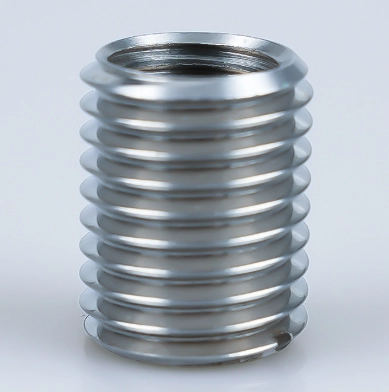
En lugares de fábrica difíciles, el Insertos de auto-roscado acero endurecido traer la fuerza necesaria. Su construcción dura les permite tallar hilos en cosas duras. Sólo se adhiera a los tamaños de orificio sugeridos, lo que evita puntos débiles de los gases en el metal. We’ hemos utilizado estos en plantas de automóviles, soportar cargas de menos de 500 kg.
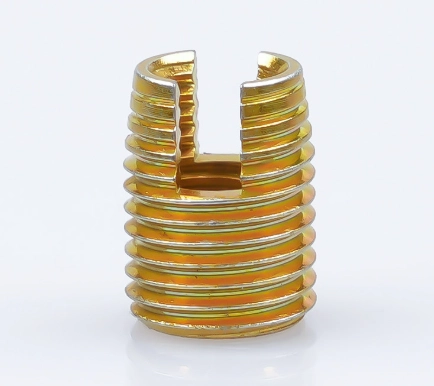
Insertos de auto-roscado para madera – accionamiento hexagonal para una instalación fácil
Para trabajos de madera como armarios o marcos, el Insertos autoroscadores para madera – Hexagon Drive encaja mejor. La forma hexagonal mantiene su taladro apretado. Reduce las oscilaciones que hacen que los agujeros sean desiguales. En una compilación reciente, esto hizo que las instalaciones fueran el doble de rápidas sin divisiones.
Insertos de acero inoxidable para entornos duros
Cuando el agua o los productos químicos golpean, el Insertos de acero inoxidable mejor guardia. Vital para trabajos marítimos o líneas de alimentos, donde la oxidación podría destruir hilos rápidamente. Las estadísticas de la industria muestran que reducen las fallas en un 60% en condiciones húmedas.
¿Por qué deberías asociarte con Qewit para tus proyectos?
Un buen proveedor hace más que vender insertos roscados. Se convierten en parte de su equipo técnico.
Ingeniería de valor añadido y soporte técnico a medida
Obtienes más que bienes, tienes cerebros para respaldar tu trabajo. ¿Tienes una necesidad especial? Solicite insertos roscados personalizados de sus bocetos o muestras. Esto ayudó a un cliente a ajustar los diseños para encajar mejor en puntos estrechos.
Garantía de calidad a través de ISO 9001 y certificación avanzada
Cada artículo sigue los pasos ISO 9001 para la calidad. La mayoría viene con 3.1 certs. ¿Quieres controles más profundos como ISIR o PPAP? Solo dígalo. Esto mantiene tus proyectos al día sin dolores de cabeza.
Servicios globales de gestión y consolidación de la cadena de suministro
¿Comprar muchas cosas? Su servicio combinado lo reúne todo en un solo punto antes del envío. Aumenta la velocidad y ahorra dinero en efectivo para pedidos en el extranjero. Un comprador redujo los gastos de envío en un 30% de esta manera.
Preguntas frecuentes
P: ¿Puedo usar una broca de madera estándar para insertos roscados de metal?
R: No. Los insertos metálicos necesitan bits de acero de alta velocidad (HSS) o cobalto hechos para cortar metales duros. Un trozo de madera arruinará el tamaño del agujero. Además, es’ Destruiré el pedazo y tu material.
P: ¿Qué pasa si no’ t usar una tabla de taladro y grifo?
R: Saltar el gráfico significa que ’ Sólo estimamos los tamaños. Esto a menudo da agujeros demasiado anchos, por lo que los insertos fallan cuando se cargan. O demasiado estrecho, romper cosas en la instalación.
P: ¿Por qué los insertos roscados de acero inoxidable son más difíciles de instalar?
R: El inoxidable tiende a pegarse o a ser áspero bajo el empuje. Mantenga el agujero sin manchas y vaya a la velocidad correcta. Esto detiene la unión temprana en la etapa de golpeado.


